Learning how to order car battery products from China’s top suppliers requires more than comparing factory prices. The right choice begins with application details: battery chemistry, voltage, Ah rating, cold-cranking amps, dimensions, terminal layout, and climate performance. A battery that fits one sedan may fail in a cold delivery fleet. Small errors become expensive quickly.
Industry data explains China’s importance. The International Energy Agency reported that China produced about 80% of global battery cells in 2023. BloombergNEF also recorded a sharp decline in lithium-ion pack prices during 2024. These figures show strong manufacturing capacity, but they do not prove every supplier is reliable. Factory audits, sample testing, warranty terms, and traceable quality records still matter. Very much.
Andy Palmer, former Nissan chief executive, once described the technology simply: “The battery is the heart of the electric vehicle.” That insight also applies to sourcing. Buyers should inspect cell origin, battery-management systems, production dates, safety testing, and packaging before placing a large order. For lead-acid products, confirm CCA results and leakage controls. For lithium batteries, request relevant transport and safety documentation.
This guide examines how to order car battery products with clearer specifications and fewer costly surprises. It covers supplier verification, quotation analysis, sample approval, shipping coordination, and after-sales support. The “top” supplier is not always the cheapest. Sometimes, the best-looking quotation hides weak testing or vague warranty language. Supplier rankings can change, too. A careful buyer keeps questioning the evidence.
Before contacting Chinese car battery suppliers, define the exact battery your vehicles need. Record voltage, capacity, cold cranking amps, dimensions, terminal position, and polarity. Check the owner’s manual and measure the existing battery tray. Small differences can cause installation problems.
Specify the battery type, expected service life, operating climate, quantity, and preferred packaging. Include your vehicle models and production years, but do not rely on model names alone. Request datasheets, test reports, warranty terms, and sample units. I have seen buyers overlook terminal height, then discover poor cable clearance during installation. That mistake is avoidable, although specifications can still change after testing.
Tips: Prepare a one-page requirement sheet. Add acceptable tolerances for capacity, size, and weight. Ask suppliers how they control production batches and inspect finished batteries. Confirm labeling, pallet details, and transport documents before placing an order. Battery shipments may require special handling, so check your country’s customs and transport rules. Measure twice. Also, test samples under realistic temperatures and starting conditions. A supplier’s document may look complete, yet one missing measurement can delay approval. Keep written records of every revision, because verbal promises are difficult to verify later.
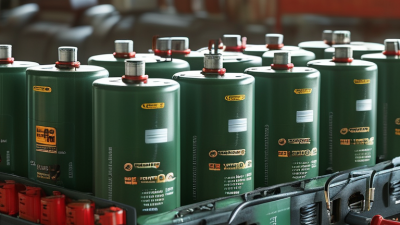
How to Order Car Batteries from China Top Suppliers?
Find and Evaluate Reliable Chinese Car Battery Suppliers
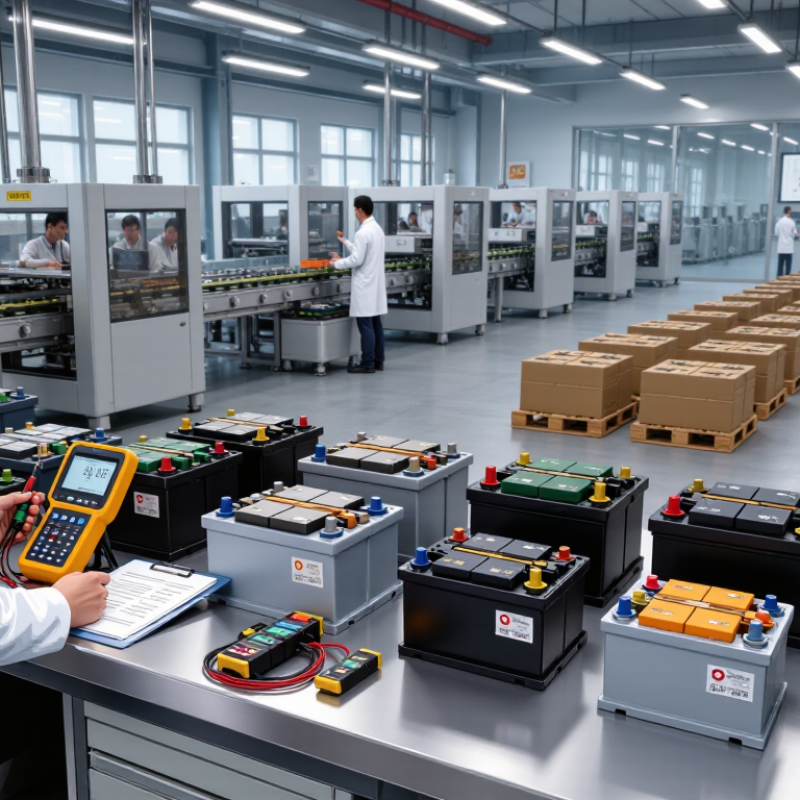
When sourcing car batteries from China, supplier evaluation should begin with evidence, not attractive prices. A reliable supplier should explain its factory capacity, battery chemistry, production process, and quality controls clearly. Ask for current product specifications, test reports, safety documents, and export experience. Request photos or videos of the assembly line, testing stations, warehouse, and packaging area. Physical evidence matters.
Before placing an order, compare several suppliers using the same checklist. Review starting power, capacity, dimensions, terminal design, operating temperature, and expected service life. Check whether the supplier can produce batteries for your vehicle types and climate. Their answers should be specific, not copied from a catalogue. I once considered a supplier with excellent prices but vague testing details. It looked efficient. It was not enough.
A small trial order can reveal more than a long sales presentation. Inspect the cartons, labels, terminals, seals, and measured performance after delivery. Record defects and ask how the supplier handles replacements or warranty claims. Confirm lead time, minimum order quantity, payment stages, inspection arrangements, and shipping documents in writing. A clear agreement reduces avoidable disputes. Battery quality may vary between batches, so keep samples from each shipment for comparison. Supplier communication should remain practical, prompt, and technically informed.
This chart presents a practical 100-point evaluation framework for selecting reliable Chinese car battery suppliers. Product quality and testing evidence receive the highest weight, followed by compliance, production capability, warranty support, export experience, and total cost. Buyers should verify each criterion with technical documents, audit records, samples, and shipment references.
Compare battery specifications before comparing prices. Check chemistry, voltage, capacity, cold-cranking amps, reserve capacity, dimensions, and terminal position. A battery that looks cheaper may fit poorly or fail under winter loads. For lithium products, request cell test records, battery-management details, and UN 38.3 transport documentation. For lead-acid batteries, review applicable IEC performance tests and production traceability. ISO 9001 supports process control, while IATF 16949 indicates stronger automotive quality practices. Neither certificate replaces an independent product inspection.
Price needs a wider calculation. BloombergNEF’s 2024 Battery Price Survey placed the average lithium-ion pack price at 115 dollars per kWh, down from 139 dollars in 2023. This is a market benchmark, not a confirmed supplier quote. Ask for pricing at several quantities, including samples, 100 units, and a full container. State whether the quote includes testing, packaging, inland delivery, export handling, and insurance. Minimum order quantities often vary from a few sample units to several hundred production batteries. Confirm this in writing.
MOQ can reveal a supplier’s real flexibility. A low MOQ may carry a higher unit price. A large MOQ may reduce cost but increase storage risk. Request recent inspection reports, warranty terms, defect limits, and production lead times. Compare at least three written quotations. I would not trust a polished certificate alone; paperwork can be incomplete, and specifications sometimes change after sampling. Ask for pre-shipment inspection photos and serial-number records.
How to Order Car Batteries from China Top Suppliers?
Confirm Samples, Customization, Packaging, and Shipping Terms
Ordering car batteries from China requires more than comparing unit prices. Request samples from the exact production line intended for bulk orders. Check dimensions, terminal positions, cold-cranking performance, voltage stability, and label accuracy. Use a written sample approval form. Photos alone are not enough.
Customization should be detailed before payment. Specify capacity, casing color, terminal design, language, barcode, and warranty information. Ask whether custom molds require separate fees or minimum quantities. A common purchasing mistake is approving artwork without checking the battery compartment. Measure the vehicle fit carefully. Small errors can delay an entire shipment.
Packaging deserves practical attention. Ask for inner protection, separators, pallet strength, and moisture control. Request packaging photos before loading. For shipping, confirm the trade term, port, delivery schedule, insurance responsibility, and required transport documents. Battery classification can affect handling and freight arrangements. Ask the supplier for current safety test reports and compliant documentation. A freight forwarder should review the shipment details before booking.
Keep every agreement in one purchase file. Include specifications, inspection standards, approved samples, carton markings, and replacement terms. An independent pre-shipment inspection can compare random units against the approved sample. It costs extra. It may prevent expensive rework. One weak point remains: suppliers sometimes promise flexibility before production, then reject late changes. Put every promise in writing.
| Procurement Stage | Key Data to Confirm | Sample and Order Acceptance Criteria | Documents or Evidence to Request | Typical Reference Data |
|---|---|---|---|---|
| 1. Battery Type | Specify lead-acid construction, including flooded, AGM, or EFB, together with the intended vehicle application. | The proposed model must match the vehicle’s required battery technology, terminal layout, case size, and mounting arrangement. | Technical datasheet, dimensional drawing, terminal-layout diagram, and application list. | Common passenger-car technologies include flooded, EFB, and AGM batteries. |
| 2. Electrical Specification | Confirm nominal voltage, capacity in Ah, cold-cranking performance, reserve capacity where applicable, and polarity. | Sample test results must meet the agreed rated values under the applicable test method and temperature conditions. | Factory test report, inspection standard, and clearly defined testing conditions. | Most conventional passenger-car batteries use 12 V; capacity and starting performance vary by vehicle size. |
| 3. Sample Confirmation | Order representative samples before mass production, including the final label, terminals, accessories, and packaging. | Check dimensions, weight, appearance, voltage, capacity, starting performance, leakage, terminal condition, and fitment. | Signed sample approval sheet, sample photographs, inspection checklist, and test records. | Use at least one sample per major model or case-size variation for approval. |
| 4. Customization | Define label artwork, language, barcode, date code, terminal configuration, handle, venting design, and accessory requirements. | Mass-production units must match the approved artwork, dimensions, colors, markings, and accessory list. | Approved artwork file, color reference, product specification, and pre-production sample. | Customization may affect minimum order quantity, tooling, and production lead time. |
| 5. Quality Control | Agree inspection levels for incoming materials, in-process production, final testing, appearance, dimensions, and electrical performance. | Define acceptable quality limits, defect classifications, sampling plan, rework rules, and shipment-release conditions in writing. | Quality-control plan, batch test report, final inspection report, and third-party inspection option. | Critical defects should be treated as unacceptable; major and minor defect limits should be contractually defined. |
| 6. Packaging Design | Confirm individual carton strength, pallet configuration, separators, terminal protection, moisture protection, and shipping marks. | Packaging must protect batteries from short circuits, impact, leakage, movement, and damage during normal handling. | Carton specification, packaging drawing, pallet plan, drop-test records where required, and package photographs. | Packaging should keep terminals insulated and prevent units from shifting during transport. |
| 7. Production Planning | Confirm raw-material availability, production capacity, batch size, manufacturing schedule, and planned completion date. | The supplier should provide a written production schedule and notify the buyer of any material delay before shipment. | Production plan, order confirmation, capacity statement, and progress update schedule. | Lead time varies by model, customization, order quantity, and seasonal factory capacity. |
| 8. Shipping Terms | Agree Incoterms, destination port, shipment mode, freight responsibility, insurance, loading method, and delivery documents. | The quotation and sales contract must state the exact Incoterm version, named place, shipment window, and responsibility for transport costs. | Commercial invoice, packing list, bill of lading or airway bill, certificate of origin if required, and insurance certificate when applicable. | Common options include EXW, FOB, CFR, and CIF; the named place must be specified. |
| 9. Dangerous-Goods Compliance | Identify the battery classification and confirm applicable transport, labeling, documentation, and carrier requirements. | The shipment must be packed, marked, labeled, and documented according to the regulations and carrier rules for the selected transport mode. | Safety Data Sheet, transport classification, test documentation, dangerous-goods declaration where required, and carrier approval. | Wet lead-acid batteries may be regulated as UN 2794 or UN 2800 depending on construction and condition. |
| 10. Payment and Contract | Set sample charges, deposit percentage, balance-payment trigger, currency, bank details, warranty, claims process, and dispute terms. | Payment milestones should be linked to sample approval, production completion, inspection results, and document release. | Signed sales contract, pro forma invoice, warranty terms, bank verification, and claim-handling procedure. | Payment structure is negotiable and should reflect order value, customization level, and inspection requirements. |
| 11. Warranty and After-Sales | Define warranty duration, coverage limitations, proof requirements, replacement or credit procedure, and failure-analysis responsibility. | Warranty claims should be traceable by batch code, production date, vehicle application, usage conditions, and test results. | Warranty certificate, batch-traceability method, claim form, failure-analysis report template, and replacement policy. | Warranty terms should distinguish manufacturing defects from incorrect installation, over-discharge, abuse, or unsuitable application. |
| 12. Pre-Shipment Release | Complete final inspection before loading and verify quantity, model mix, markings, packaging, documents, and container condition. | Release shipment only after the inspection result, packing list, photographs, and agreed test records are approved. | Final inspection report, loading photographs, container number, seal number, packing list, and shipment document draft. | A pre-shipment inspection helps reduce quantity, specification, packaging, and documentation discrepancies. |
Note: Reference values are typical purchasing guidelines. Final specifications, testing methods, packaging requirements, and transport classifications should be confirmed in the signed sales contract and with the relevant carrier or regulatory authority.
Ordering car batteries from China requires more than comparing unit prices.
Send a precise specification sheet covering voltage, capacity, cold-cranking amps, dimensions, terminal layout, and battery type.
Request recent production photos, test records, and a pre-production sample.
My early mistake was trusting a factory’s standard model without checking terminal direction. The batteries arrived usable, but installation time increased.
Write quality requirements into the purchase contract. Define acceptable voltage, weight, leakage limits, casing condition, labeling, and packaging strength. Ask for inspection before shipment, not after payment is complete. An independent inspector can check sampling levels, dimensions, labels, and test results. Keep sealed samples from the approved batch for comparison. Small details matter. A loose carton can damage terminals during a long ocean journey.
Customs preparation should begin before production ends. Confirm the correct HS classification with a qualified customs broker, because battery chemistry and destination rules may differ. Prepare the commercial invoice, packing list, transport documents, and origin documents when required. Check whether dangerous-goods declarations, special labels, or certified packaging apply. Your forwarder should confirm the booking and shipping route in writing. Track port cutoffs, inspection risks, and warehouse charges. Build extra time into delivery estimates. Delays happen, and optimistic schedules rarely survive customs. Review every document twice; one incorrect quantity can hold the entire shipment.