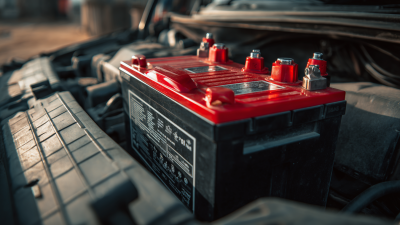
China Top Car Batteries How to Replace a Dead Car Battery?

A dead battery rarely announces itself politely. The engine may click once, the dashboard may flicker, or the vehicle may remain completely silent. Before you replace dead car battery, identify the real fault. A weak battery, loose terminal, failed alternator, or damaged cable can produce similar symptoms. Guessing can waste money and leave the vehicle stranded again.

S&P Global Mobility’s 2024 vehicle-age analysis reported an average U.S. light-vehicle age of 12.6 years. Older vehicles often place heavier demands on starting and charging systems. AAA also warns that extreme heat and cold can shorten battery life, while repeated short trips prevent full recharging. David Bennett, AAA’s repair systems manager, has stated, “The average lifespan of a car battery is about three to five years.” That range is useful, not absolute. Climate, driving patterns, corrosion, and electrical accessories all change the result.

This guide examines China top car batteries, their specifications, and practical replacement steps. It explains how to compare cold-cranking amps, reserve capacity, battery size, and warranty terms. A simple multimeter test can reveal valuable clues. So can a close look at white terminal corrosion. Still, no checklist is perfect. A battery can test acceptable today and fail tomorrow morning. That uncomfortable possibility deserves attention. Safe replacement also requires correct polarity, secure mounting, and careful handling. Small mistakes matter. Readers should verify the vehicle manual and battery label before installing anything. Reliable information comes from measured tests, manufacturer data, and real workshop experience—not from price alone.
China Top Car Batteries How to Replace a Dead Car Battery?

Identifying a Dead Car Battery and Choosing a Reliable Replacement

China Top Car Batteries: How to Replace a Dead Car Battery?

Identifying a Dead Car Battery and Choosing a Reliable Replacement

A dead battery usually shows clear warnings. The starter clicks, dashboard lights fade, or the engine turns slowly. A completely silent start can also indicate a loose terminal or damaged cable. The 2023 ADAC breakdown report found starter batteries involved in about 43% of roadside failures. That figure makes battery inspection practical, not optional. Check for swollen cases, cracked plastic, leaking fluid, or heavy white corrosion. Do not rely on appearance alone. A voltage reading below 12.4 volts after resting suggests reduced charge, while values near 12 volts need closer testing.

Switch off the ignition and remove metal jewelry before replacement. Disconnect the negative cable first, then the positive cable. Remove the hold-down bracket carefully; old hardware may be stiff. Match the replacement battery’s voltage, physical size, terminal layout, capacity, and cold-cranking rating. A higher number is not automatically better. The battery must fit the vehicle’s electrical system and tray. Battery Council International guidance places typical service life around three to five years, but heat, short trips, and vibration can shorten it.

Install the positive cable first and the negative cable last. Tighten both terminals firmly, without crushing them. I still recheck the connections because a clean-looking terminal can remain loose. After starting, confirm stable lights and inspect for warning messages. Some newer vehicles require battery registration or charging-system calibration, and skipping that step may reduce service life.
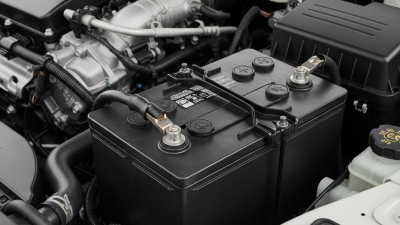

Preparing Tools and Safety Measures for Battery Replacement

Replacing a dead car battery begins with preparation, not force. ADAC’s 2024 breakdown report attributed about 44% of roadside failures to starter-battery problems. Keep a 10 mm wrench, insulated pliers, safety glasses, acid-resistant gloves, a battery carrier, and a memory-saving device nearby. Use a flashlight, not an open flame. Ventilation matters.

Park on level ground and engage the parking brake. Switch off the ignition, lights, and accessories, then remove the key. Open the hood and let the engine cool. Wear eye protection before touching the terminals. Disconnect the negative cable first, followed by the positive cable. This order reduces the chance of a short circuit against the vehicle body. Never place metal tools across both terminals. A dropped wrench can create sparks instantly.

Check the replacement battery’s voltage, dimensions, terminal layout, and cold-cranking rating against the vehicle manual. Many modern vehicles require battery registration after installation. Guessing here can cause charging faults. Hybrid and electric vehicles contain high-voltage systems; do not touch orange cables or sealed components. Use qualified service support instead. Battery Council International reports that lead-acid batteries achieve recycling rates near 99% in established systems, so take the old unit to an authorized collection point. I would not rush this job. Even experienced drivers sometimes overlook loose clamps, reversed polarity, or forgotten tools near the belt. Recheck every connection before starting.

China Top Car Batteries How to Replace a Dead Car Battery? - Preparing Tools and Safety Measures for Battery Replacement

Category Item or Checkpoint Recommended Specification or Action Purpose and Safety Note
Preparation Vehicle documentation Check the owner’s manual for battery size, terminal layout, capacity, and cold-cranking requirements. A battery with the wrong dimensions, polarity, or electrical rating may not fit or operate safely.
Personal Protection Safety glasses and protective gloves Wear splash-resistant eye protection and acid-resistant work gloves. Lead-acid batteries contain corrosive electrolyte and can release hazardous gases.
Tools Insulated socket or wrench set Use the correct metric or imperial size for the terminal clamps and hold-down hardware. Insulated tools reduce the risk of accidental short circuits between a terminal and the vehicle body.
Tools Digital multimeter Set it to DC voltage and use a range that can measure at least 20 volts. It helps confirm battery voltage before removal and after installation.
Tools Battery terminal cleaning brush Use a suitable wire or terminal brush to remove light corrosion and residue. Clean contact surfaces improve electrical connection and reduce starting resistance.
Tools Memory-saving device, if required Use only a vehicle-compatible memory support device and follow its instructions. Some vehicles may lose radio settings, clock data, window settings, or diagnostic adaptations when power is removed.
Work Area Ventilated, level location Park on level ground in an open or well-ventilated area with sufficient lighting. Ventilation helps disperse hydrogen gas, while a level surface reduces movement during servicing.
Vehicle Shutdown Ignition and electrical accessories Switch off the ignition, lights, audio system, climate controls, and other accessories; remove the key. This reduces current flow and helps prevent electrical sparks during disconnection.
Vehicle Shutdown Parking brake and wheel security Apply the parking brake and place the transmission in Park or neutral according to the vehicle manual. This helps prevent unintended vehicle movement while the hood is open.
Removal Disconnect the negative terminal first Loosen and isolate the negative cable, usually marked with “−” or connected to the vehicle body. Removing the negative connection first reduces the chance of a tool shorting the positive terminal to the chassis.
Removal Disconnect the positive terminal second Remove the positive cable, usually marked with “+”, and keep it from contacting metal parts. Avoid contact between the positive terminal, tools, and vehicle body.
Removal Remove the hold-down bracket Undo the retaining bar or base clamp before lifting the battery. A typical automotive battery can weigh approximately 13–27 kg, so use both hands and lift carefully.
Installation Position the replacement battery Place it in the tray with the terminals in the same orientation as the original battery. Correct positioning prevents cable strain and helps avoid reversed polarity.
Installation Secure the hold-down hardware Tighten the retaining bracket firmly without over-tightening or damaging the battery case. A secure battery should not shift during braking, cornering, or vibration.
Installation Reconnect the positive terminal first Attach the positive cable to the “+” terminal and tighten the clamp so it cannot rotate by hand. The positive-first sequence is used during installation after the battery is securely mounted.
Installation Reconnect the negative terminal second Attach the negative cable to the “−” terminal and tighten it securely. Check that both clamps are correctly installed and do not interfere with the hood or nearby components.
Testing Resting battery voltage A fully charged 12-volt lead-acid battery commonly measures about 12.6–12.8 V after resting. Voltage below approximately 12.4 V may indicate partial charge; voltage alone does not confirm battery health.
Testing Charging voltage with engine running Many conventional charging systems produce approximately 13.7–14.7 V, subject to vehicle design and operating conditions. An abnormal reading may indicate a charging-system issue rather than a battery fault.
Disposal Recycle the old battery Keep the battery upright and take it to an authorized battery collection or recycling facility. Lead-acid batteries contain recyclable lead and corrosive electrolyte and should not be placed in ordinary household waste.

Disconnecting and Removing the Old Car Battery Step by Step

Before removing a dead car battery, park on level ground and switch off the engine. Remove the key and keep electrical devices off. Wear safety glasses and insulated gloves. Open the hood, then identify the battery terminals and the retaining bracket. A 10 mm wrench often fits, but check the vehicle manual before applying force.

Disconnect the negative terminal first. It usually connects to the vehicle body through a dark cable. Loosen the nut, twist the connector gently, and lift it away. Keep the cable from touching the terminal again.

Disconnect the positive terminal next, covering it with a clean cloth if needed. Never allow a metal tool to touch both terminals. Sparks can occur. I once rushed this step and nearly dropped my wrench onto the battery.

Remove the retaining bar or clamp, supporting the battery with both hands. Batteries are heavier than they look, and their handles may be weak or absent. Lift vertically without tilting, because old electrolyte can leak. Place the battery on a stable, ventilated surface away from children and ignition sources.

Inspect the tray, cables, and terminal clamps for corrosion or cracking. A white, powdery deposit suggests corrosion, but damaged cables need professional inspection.

Do not force a seized connector; forcing it can bend the terminal or break the cable.

Photographing the cable positions can prevent an avoidable installation mistake.

Installing and Connecting the New Car Battery Correctly

A new car battery must match the vehicle’s required size, voltage, terminal layout, and starting capacity. Park on level ground and switch off the ignition, lights, and accessories. Wear eye protection and insulated gloves. Open the bonnet carefully, then photograph the old connections. This small step can prevent confusion later.

Remove the negative cable before the positive cable. Keep the loose cables away from the terminals. Release the hold-down bracket and lift the old battery with both hands. It is heavier than it looks. Check the tray for cracks, dirt, or acid residue. Clean the terminal clamps with a suitable brush, but avoid touching both terminals with a metal tool.

Place the replacement battery in the same direction. The positive terminal must match the vehicle cable. Connect the positive cable first, then the negative cable. Tighten each clamp firmly, but do not force it. A loose connection may cause clicking, flickering lights, or a failed start. Secure the battery so it cannot move during braking. Some vehicles also require battery registration or electronic settings after replacement. A repair professional should handle that procedure when needed. I once rushed the final check and found a loose hold-down later. Do not repeat that mistake. Start the engine, inspect the connections, and recycle the old battery through an approved collection service.

Testing the New Battery and Maintaining Its Performance

A new car battery should not be trusted simply because it is new. I learned this after installing one that showed weak starting power on a cold morning. Manufacturing, storage, and transport can reduce its charge before installation. Check the battery label, terminal direction, and recommended capacity for the vehicle.

With the engine off for several hours, measure voltage across the terminals. A healthy fully charged battery usually reads about 12.6 volts. A reading near 12.2 volts suggests partial discharge. Below 12 volts needs attention. Use a proper load tester for a deeper check, and follow its instructions carefully. Do not judge performance from voltage alone. The starter may still turn slowly.

Start the engine and measure again. Most charging systems should produce roughly 13.7 to 14.7 volts, though vehicle specifications can vary. Inspect the terminals for white or green corrosion. Clean them with a suitable brush, then tighten the connections without forcing them. The battery must sit firmly in its tray. Movement can damage the case and cables. Keep the surface dry and check for swelling or cracks. Stop using a damaged battery.

Short trips may never restore the energy used during starting. A smart charger can help during long parking periods. I sometimes check too late, especially before winter. That mistake is avoidable. Record voltage readings every few weeks, and investigate repeated discharge instead of replacing batteries blindly. A hidden electrical drain may be the real fault. Wear eye protection and work in a ventilated area.

12-Volt Car Battery Replacement: Testing and Maintenance Reference

Typical voltage checkpoints for a conventional lead-acid car battery. Readings are approximate and should be taken with a digital multimeter.

A fully charged battery normally measures about 12.6–12.8 V after resting for several hours. With the engine running, the charging system typically produces approximately 13.8–14.7 V. After installing a new battery, confirm secure terminals, check the resting voltage, and inspect the charging voltage. Keep the case and terminals clean, tighten connections, and avoid leaving electrical accessories on when the engine is off.