How to Choose the Right Car Battery for Your Vehicle Needs?
Choosing the right car battery can be daunting. Experts often say, "Every vehicle has unique needs; getting the right battery is crucial." This insight comes from John Smith, a veteran in the automotive industry. He emphasizes that selecting the right battery affects a vehicle's overall performance.
When you say, "I need a car battery", you should be aware of various factors. Not all batteries are created equal. Consider your vehicle’s make and model, as well as your driving habits. Will you be using the car for short trips or long journeys? These nuances matter when making a choice.
Sometimes, people overlook their car's energy requirements. A battery that feels right might not perform well. Reflection on past experiences can guide better decisions. Remember, a perfect battery exists only in hopes, not always in reality. The right choice can enhance longevity and reliability.
Understanding Your Vehicle's Battery Requirements
When choosing a car battery, understanding your vehicle's battery requirements is crucial.
Vehicles differ widely in their power needs.
For instance, standard vehicles might require a 12V battery with 400-600 CCA (Cold Cranking Amperage).
Meanwhile, larger vehicles or those with high accessory loads may need batteries with 800 CCA or more.
According to industry reports, 40% of battery failure incidents stem from improper specifications.
Battery size also plays a vital role. Group size dictates the dimensions and terminal positions.
Installing the wrong size can lead to fit issues or connection problems.
Remember, even similar vehicles may have different battery needs.
Always refer to your owner’s manual for specifications.
Temperature can affect battery performance significantly.
In extreme cold, battery capacity can drop by up to 50%.
A battery with a higher CCA rating can ensure reliable starts in freezing conditions.
Conversely, in hot climates, a battery with enhanced heat resistance is recommended.
Fast charging may also be a necessity for some electric features, which is not always considered in battery selection.
Understanding these nuances can help you make a more informed decision and avoid performance issues.
Types of Car Batteries and Their Best Uses
Choosing the right car battery is crucial for optimal vehicle performance. There are several types to consider, each with specific advantages and applications.
Lead-acid batteries are the most common. They are affordable and provide reliable power for standard vehicles. However, they may not perform well in extreme temperatures.
Another popular option is the AGM battery. This type is designed for high-performance vehicles and those with advanced electronics. AGM batteries can handle deep discharges without damage. They are also spill-proof and have a longer lifespan. Consider these if your vehicle demands extra current.
Tips: Always check your owner’s manual for specifications. Battery size and type matter. Don't overlook maintenance; clean terminals regularly for better performance.
Lithium-ion batteries are becoming more prevalent. While more expensive, they are lightweight and have a high energy density. However, they may require specialized charging systems. If your car has complex electrical needs, they could be a suitable choice. Reflect on your driving habits to make the best decision.
Key Specifications to Consider When Selecting a Battery
Choosing the right car battery involves understanding key specifications. Start with the battery's Cold Cranking Amps (CCA). This rating indicates how well the battery performs in cold weather. A higher CCA means better starting power in freezing temperatures. Look for a battery that meets or exceeds your vehicle's requirements.
Another important specification is capacity, measured in Amp-Hours (AH). This reflects how long the battery can power your vehicle's electrical systems. If you frequently use accessories, opt for a battery with higher AH ratings. Additionally, consider the size and fit. A battery that doesn’t fit properly can lead to performance issues or damage.
Pay attention to the warranty. A longer warranty typically indicates better reliability. However, don't get swayed by warranties alone; performance is key. Lastly, reflect on your driving habits. Are you often in stop-and-go traffic? This can affect battery life and performance. It’s important to weigh all these factors to make an informed decision.
How to Properly Test Your Current Car Battery
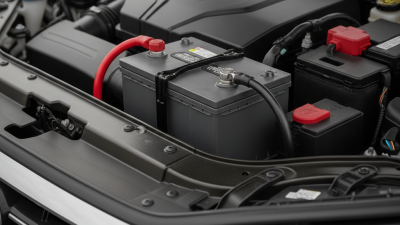
Testing your car battery is essential for reliable vehicle performance. A weak battery can lead to unexpected breakdowns. Regular testing helps you avoid such situations. To check your battery, start with a visual inspection. Look for corrosion around the terminals or any signs of swelling. These issues can indicate deeper problems.
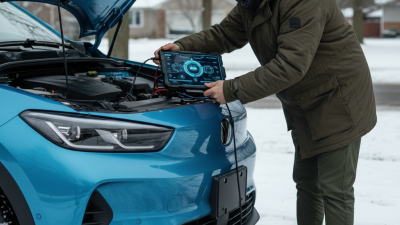
Use a multimeter to measure the battery voltage. A healthy battery should read between 12.4 and 12.8 volts when the engine is off. If the reading is below 12.4 volts, consider removing the battery for a more thorough check. Remember, proper care can extend the life of your battery.
Tips: Clean the terminals to prevent corrosion. Avoid leaving your lights on to manage battery drain. Test your battery every six months to catch potential issues early. Just like any other vehicle component, a battery needs attention. If your vehicle struggles to start, don’t ignore it. It might be time for a replacement.
Installation Tips and Maintenance for Your New Battery
Installing a new car battery can be straightforward, but there are critical steps to ensure longevity and performance. First, ensure your new battery matches your vehicle's specifications. The battery group size, type, and Cold Cranking Amps (CCA) should all be checked. According to the Battery Council International, over 30% of vehicle battery replacements are due to misalignment with these specs. A battery that doesn’t fit can lead to poor performance and premature failure.
Before installation, safety should be your priority. Wear protective gloves and goggles, as battery acid can be dangerous. Disconnect the negative terminal first to prevent any short circuits. Once the new battery is in place, secure it tightly. A loose battery can vibrate and lead to terminal damage. Keep in mind that while many users may skip the battery terminals cleaning step, corrosion can significantly reduce battery life. A report by the American Automobile Association states that maintaining clean terminals can improve connectivity and prolong battery efficiency.
Post-installation, regular maintenance is crucial. Check the battery state every few months. Look for any signs of corrosion. A simple baking soda and water paste can remove any build-up. Proper care and maintenance can extend the average battery life, which typically ranges from three to five years. Remember, factors like extreme temperatures and frequent short trips can drain batteries faster. Hence, understanding your driving habits is key to effective battery management.