How to Choose the Right Mazda CX 5 Car Battery
Choosing the right mazda cx 5 car battery is about more than matching a familiar name. Model year, engine, and equipment can affect the correct fit. A battery that looks suitable may have the wrong dimensions or terminal layout. Small details matter. Check the owner’s manual and the vehicle’s existing battery label before comparing options. These are practical starting points, not substitutes for confirming fitment with a reliable parts catalog or qualified technician.
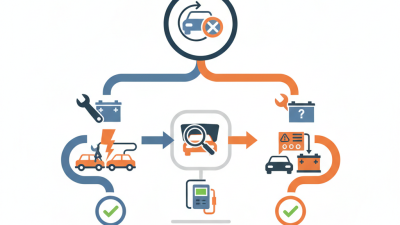
Pay attention to the specified battery type, group size, cold-cranking amps, and reserve capacity. If your CX-5 has an engine stop-start system, verify that the replacement supports that system; a standard battery may not be an appropriate substitute. Also inspect the battery tray and cable reach, especially if the current battery was installed by a previous owner. A slow morning start can suggest a weakening battery, but it can also point to charging or connection problems. The battery is not always the culprit.
This guide explains how to compare specifications, check age and warranty, and avoid common fitment assumptions. Check twice. Where recommendations differ, use the vehicle’s documentation and confirm the exact application before buying. That extra step may feel fussy. It can prevent a costly mismatch and help your CX-5 start reliably.
Identify Your Mazda CX-5 Model Year and Battery Requirements
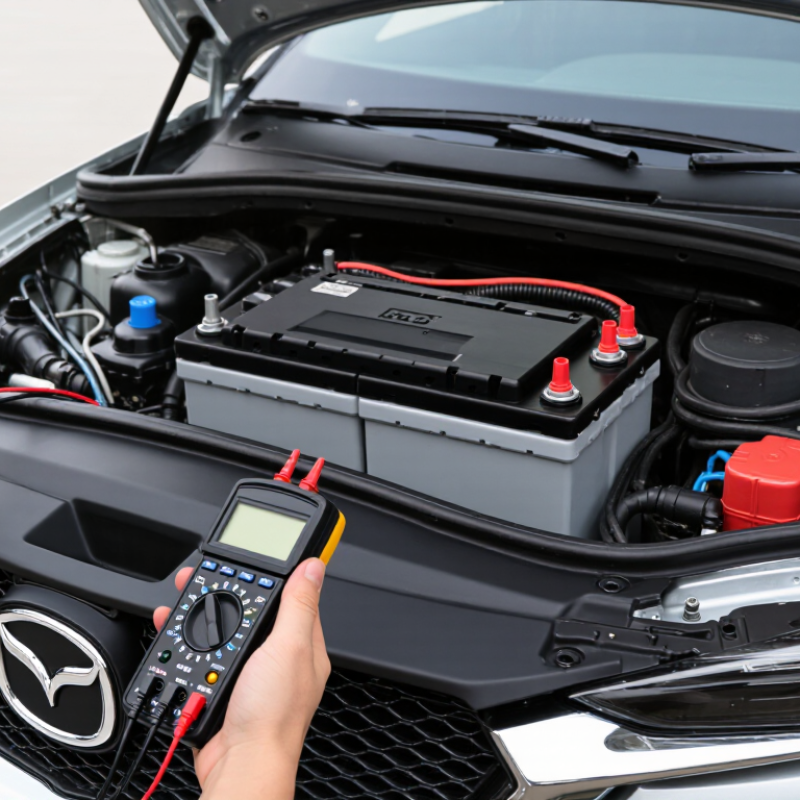
A CX-5’s battery requirements can change with model year, engine, trim, and market. Start with the owner’s manual and the battery label under the hood; confirm both against a fitment lookup using the vehicle identification number. Record the battery group size, terminal positions, and required chemistry. A case that fits physically may still have reversed terminals or insufficient capacity. Small details matter.
Compare cold-cranking amps (CCA), not just the large number printed on the case. SAE J537 defines a CCA test at 0°F (-18°C) for 30 seconds, with voltage remaining at or above 7.2 volts. Match or exceed the vehicle’s specified rating, and check reserve capacity too. If the vehicle has automatic start-stop, verify that its original battery technology is required for that model year; a conventional replacement may not suit the charging system. It is tempting to copy the old battery’s label, but a previous owner may have installed the wrong one. Check the manual, tray dimensions, hold-down, and terminal layout before buying. A few minutes of measuring can prevent a frustrating return.
Check Battery Size, Terminal Layout, and Cold-Cranking Amps
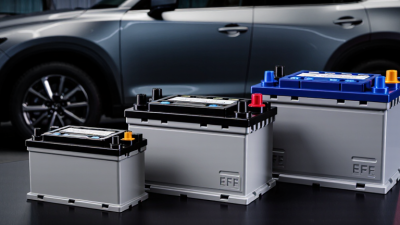
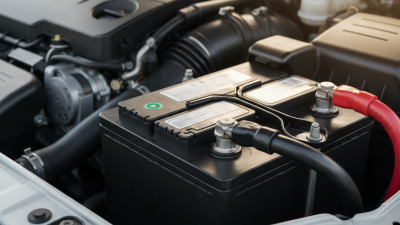
Choosing the right battery starts with the exact size listed in the vehicle’s owner’s manual or battery label. Match its length, width, height, and hold-down style; a battery that shifts over bumps can damage its case or cables. Check terminal layout, too. Positive and negative posts must align with the vehicle’s cables without stretching or crossing them. Small mismatch, big hassle.
Cold-cranking amps (CCA) measure how well a battery starts an engine in cold weather. Use at least the vehicle maker’s recommended rating, and consider a higher rating if winters are severe. More CCA is not a substitute for correct fit or compatible specifications. It is easy to focus on one number and miss the terminals. That happens.
Tips: Compare the battery label with the manual before buying. Take a photo of the existing label and terminal positions. If the markings are unclear, ask a qualified technician to confirm the fit. Never guess based only on appearance; two batteries can look nearly identical and still differ in height or post orientation.
How to Choose the Right Mazda CX 5 Car Battery - Check Battery Size, Terminal Layout, and Cold-Cranking Amps
| What to Check |
Common Reference |
How to Use This Information |
| Battery group size |
Group 35 is a common fitment reference for many CX-5 model years. |
Confirm the required group in the owner’s manual or by checking the existing battery and tray. Fitment can vary by model year, engine, market, and stop-start equipment. |
| Approximate Group 35 dimensions |
About 9.1 × 6.9 × 8.9 in (231 × 175 × 225 mm), including the typical overall-height measurement. |
Check tray clearance, hold-down position, and hood clearance. Published dimensions may differ slightly between battery designs. |
| Terminal layout |
Many Group 35 batteries use top posts with the positive terminal on the right when viewed with the posts nearest you. |
Match the positive and negative post positions to the vehicle cables. Do not rely on group size alone; reversed terminals can make the cables reach incorrectly. |
| Cold-cranking amps (CCA) |
A replacement in the approximate 550–650 CCA range is a common shopping reference for many conventional applications. |
Use the vehicle’s specified minimum as the deciding value. Higher CCA within the correct fitment is generally suitable, but CCA does not replace checking battery type and compatibility. |
| Stop-start equipment |
Vehicles equipped with stop-start systems may require an enhanced flooded or other specified battery type, depending on configuration. |
Check the original battery label and vehicle documentation. Do not substitute a conventional battery unless the vehicle specification permits it. |
| Final fitment check |
Model year, engine, market, and electrical equipment can affect the correct specification. |
Before purchase, verify group size, dimensions, terminal orientation, battery technology, and the required CCA against the owner’s manual or a reliable vehicle-specific fitment listing. |
Compare Battery Types for Your Driving Conditions
Battery choice depends more on your daily route than on the highest number printed on the label. For a CX-5 used mainly on longer drives in mild weather, a conventional flooded battery may be suitable if the vehicle’s specifications call for it. It costs less, but repeated short trips can leave it undercharged. Cold mornings make that weakness more noticeable.
Short trips add up.
An enhanced flooded battery or AGM battery can suit vehicles equipped for that technology, especially with stop-start operation or frequent electrical loads. AGM batteries generally handle repeated cycling better, but they cost more and are not automatically an upgrade. Check the owner’s manual and existing battery label before choosing; the charging system must support the replacement type. Match the required size, terminal layout, cold-cranking amps, and reserve capacity. A larger rating may look reassuring, yet it does not guarantee proper fit or charging. I would also confirm whether the vehicle needs a battery-monitor reset after installation.
One detail is easy to miss: regular drives with heated seats, lights, and a rear defroster running can strain a battery already weakened by age.
Verify Compatibility with Start-Stop and Battery Management Systems
A start-stop system can cycle the engine many times during a short trip, so a standard replacement battery may not cope well. The U.S. Department of Energy’s fuel-economy guidance estimates that start-stop systems can improve city fuel economy by roughly 3–10%. That benefit depends on the system working as designed. Check the owner’s manual for the required battery chemistry, size, cold-cranking amps, and reserve capacity.
Small detail. Big consequence.
Look for the correct start-stop-rated type, such as EFB or AGM, only if the vehicle specification calls for it. They are not automatically interchangeable. Also inspect the battery sensor on the negative terminal; some battery-management systems need a reset or registration after replacement. Without it, charging behavior may remain calibrated to the old battery. SAE J537 provides standardized procedures for evaluating lead-acid battery performance, but a test rating alone cannot confirm vehicle fit. Match the case dimensions and terminal positions, then verify the specification for the exact model year and engine. It is easy to focus on the highest CCA number and miss the chemistry requirement. That shortcut can cause poor charging or shortened battery life.
Choose a Reliable Battery and Confirm Its Warranty and Fitment
A dependable battery starts with the right fit, not the biggest number on the shelf. Check the vehicle’s manual and the label on the current battery for its required size, terminal position, and minimum cold-cranking amps. Then compare the battery’s length, width, and height with the tray. A few millimeters can matter when the hold-down bracket is tightened. Small details count. If the vehicle has an automatic stop-start system, confirm that the replacement battery type supports it; a standard battery may not be suitable. When uncertain, ask a qualified technician to verify the specifications before installation.
Reliability also depends on freshness and warranty terms. Look for a clear manufacture date, intact case, and published coverage period. Read what the warranty actually covers, including any prorated period, testing requirements, and proof-of-purchase rules. Keep the receipt. It sounds obvious, but it is easy to misplace. A longer warranty can be useful, though it does not guarantee longer service life. Climate, driving habits, and frequent short trips all affect battery wear. I have seen fitment treated as a quick checkbox; it deserves a careful second look, especially when terminal placement or battery technology differs from the original.