2026 Top CX5 Battery Types Buyers Need to Know
Choosing the right cx5 battery in 2026 is less about buying the most expensive option. It is about matching chemistry, dimensions, cold-cranking power, and vehicle equipment. A Mazda CX-5 may use a conventional flooded lead-acid battery, an EFB battery, or an AGM battery, depending on its engine, market, trim, and i-stop system. Buyers should confirm the original battery label before ordering.
Battery researcher Dr. Jeff Dahn has offered a useful reminder: “The battery is the most important component in an electric vehicle.” The CX-5 is not fully electric, but the principle still matters. Battery quality affects starting confidence, electronic stability, and replacement intervals. A weak unit may show itself through slow cranking, flickering dashboard lights, or repeated i-stop warnings on a cold morning. Small details matter. Terminal placement matters.
This guide examines the leading cx5 battery types expected to attract buyers in 2026. It compares flooded, EFB, and AGM designs through practical conditions, including winter starts, short urban trips, long parking periods, and heavy accessory use. It also explains reserve capacity, warranty terms, battery registration, and correct installation. Some recommendations remain imperfect because CX-5 specifications differ across countries and model years. That uncertainty deserves attention. A battery that fits physically may still be electrically unsuitable. Buyers should verify the owner’s manual, vehicle identification number, and manufacturer specification before purchase. Reliability begins with checking, not guessing.
Understanding the Battery Requirements of a Mazda CX-5
Understanding the Battery Requirements of a Mazda CX-5
A CX-5’s battery requirement depends on its model year, engine, and electrical equipment. Check the owner’s manual and the label on the installed battery before choosing a replacement. The correct case size, terminal layout, and minimum cold-cranking amps matter; a battery that physically fits may still deliver too little starting power. Vehicles with stop-start systems may also require an AGM or EFB battery, rather than a conventional flooded type. Verify the required technology for the specific vehicle.
Cold-cranking amps indicate a battery’s ability to start an engine in low temperatures, while reserve capacity reflects how long it can support electrical loads if charging is interrupted. These figures are not interchangeable. Battery Council International’s 2023 recycling-rate study reports that about 99% of lead batteries in the United States are recycled, underscoring the established role of lead-acid technology in vehicle starting systems. Recycling, however, does not make every battery suitable for every vehicle. Not quite. Have the charging system and battery tested if starts become slow, especially after short trips or cold nights. Replacement intervals vary with climate and use, so treating a calendar estimate as a guarantee can be misleading.
Comparing the Main Battery Types Used in the CX-5
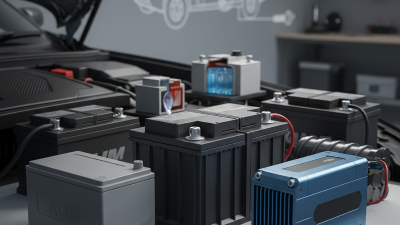
The Mazda CX-5 may use different battery types depending on model year, engine, and whether the vehicle has stop-start technology. A conventional flooded lead-acid battery is common in vehicles without frequent automatic engine restarts. It uses liquid electrolyte and is usually a practical, lower-cost replacement. However, repeated short trips can leave it undercharged, especially in cold weather.
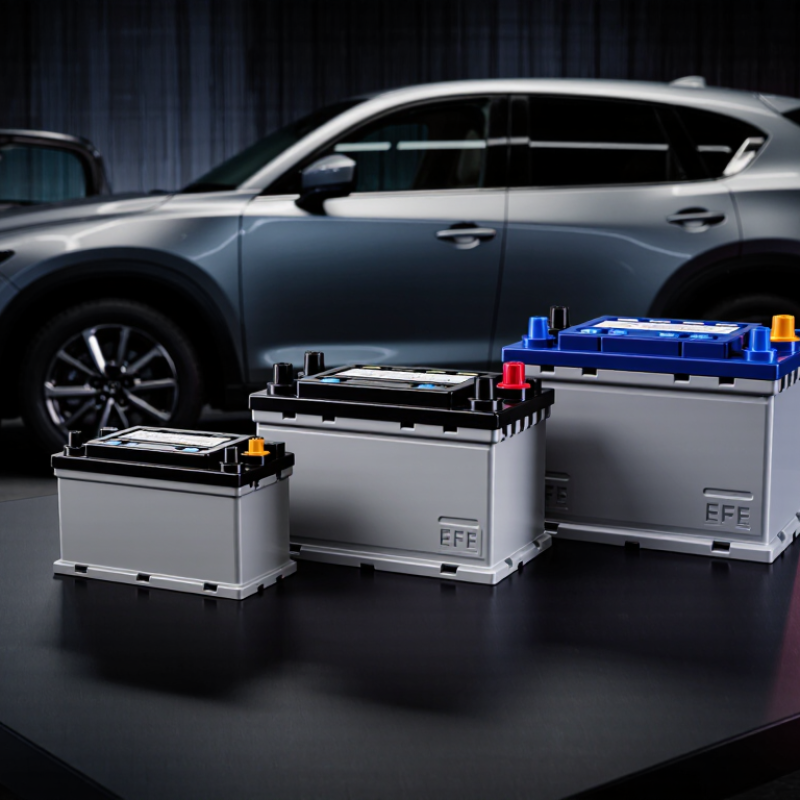
Enhanced flooded batteries, or EFBs, are designed to handle more charge cycles than standard flooded batteries. They may suit some CX-5 versions with stop-start systems. Absorbent glass mat batteries, or AGMs, hold electrolyte in a fine glass mat and generally tolerate demanding electrical loads and frequent restarts better. They often cost more. Not every CX-5 needs one.
Check the battery label and owner’s manual before choosing. Compare the required group size, terminal layout, capacity, and cold-cranking rating; a battery that almost fits can still cause problems. If the original battery is AGM, replacing it with a basic flooded type may reduce performance. The terminology can be confusing, and specifications vary by market. When in doubt, have the charging system and battery tested before buying. A weak alternator can mimic a failing battery.
Checking Battery Group Size, Capacity, and Terminal Layout
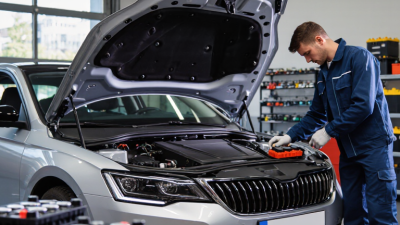
A replacement battery must fit the tray, connect safely, and meet the vehicle’s electrical needs. Check the owner’s manual and the label on the installed battery; specifications can vary by model year, engine, and market. Group size identifies the battery’s approximate dimensions and terminal arrangement. Compare its length, width, height, and hold-down position with the available space. Measure before ordering. A battery that looks close may still sit too high or shift under the retaining bracket.
Capacity matters, but it is not one number. Cold-cranking amps (CCA) indicate starting power in cold conditions, while amp-hours (Ah) describe stored energy. Match the recommended ratings rather than choosing the largest figures on the shelf. Excessive capacity is not automatically an upgrade, and an unsuitable battery may charge poorly. Small details matter. If the label is faded, verify the specification with a reliable parts reference before buying.
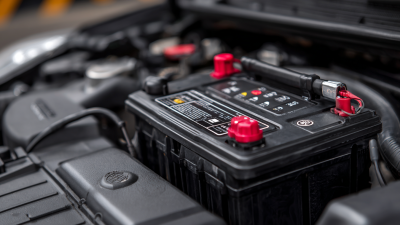
Terminal layout deserves a careful check. With the battery oriented as specified, confirm which side holds the positive terminal and where the cables reach. Reversed positions can leave cables strained or unable to connect. Inspect the terminal shape, too; clamps should sit securely without being forced. It is easy to focus on capacity and overlook fit. I would check the tray and cable reach once more before installation, especially if the old battery was not the original size.
Matching Battery Technology to Your CX-5 Model and Driving Needs
Choosing a battery for a CX-5 starts with the exact model year and equipment, not the cheapest option on the shelf. Check the owner’s manual or the label on the existing battery for its group size, terminal layout, and required cold-cranking amps. A battery can fit under the hood yet still have the wrong specifications. That is an annoying mistake.
Standard lead-acid batteries suit many vehicles without stop-start systems. Enhanced flooded batteries may be specified for some configurations, while models with stop-start features can require AGM technology. These types are not automatically interchangeable. Match the replacement to the vehicle’s stated requirement, especially if short trips and frequent engine restarts are part of your routine.
Driving patterns matter, too. Repeated brief drives may not give the battery enough time to recharge, particularly in cold weather or when lights, heated seats, and the rear defroster are running. AGM batteries generally handle deeper cycling better, but they cost more and still need the correct charging system. Lithium options may sound appealing because they are light, but compatibility should never be assumed. Before buying, compare the battery’s specifications with the vehicle’s manual and have the charging system checked if the old battery failed early.
Even careful shoppers can miss a small label detail.
Evaluating Battery Lifespan, Maintenance, and Replacement Needs
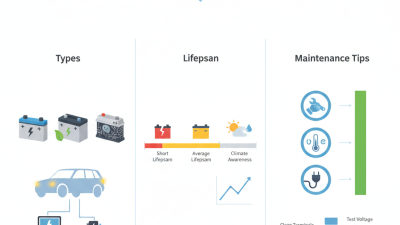
Choosing a CX5 battery requires more than matching voltage and physical size. Flooded lead-acid batteries remain affordable, but Battery Council International reports an average service life of roughly three to five years. AGM batteries usually tolerate repeated cycling and vibration better, making them suitable for vehicles with frequent stop-start operation. Their higher purchase price may be justified when electrical demand is heavy.
Maintenance still affects lifespan. The U.S. Department of Energy notes that extreme heat accelerates battery aging, while cold weather exposes weak batteries during starting. In practice, inspect the terminals for white corrosion, check the case for swelling, and test voltage before winter. A battery can look clean and still fail suddenly. That happened to me once.
Replacement timing should follow test results, not the calendar alone. AAA advises testing batteries after the third year, then annually. A healthy resting battery often measures near 12.6 volts, while readings near 12.2 volts suggest significant discharge. Charging-system checks matter too; an alternator fault can destroy a new battery within weeks. The Argonne National Laboratory emphasizes correct battery management in modern vehicles, especially where electronic controls monitor charging. Some replacement procedures require battery registration or system reset, depending on vehicle configuration. Ignoring that step may reduce charging accuracy. Data varies by climate, driving distance, and accessory use, so published lifespans are useful guides, not promises.