Why a Good Car Battery is Essential for Your Vehicle Reliability?

A good car battery is the heart of your vehicle’s electrical system. It powers everything from the ignition to the lights. A reliable battery ensures that your car starts smoothly every time. A weak battery can leave you stranded, causing undue stress and delays.

When considering the importance of vehicle reliability, a good car battery plays a vital role. It holds the energy needed for starting your engine and running electronic systems. If a battery fails, you may face significant repair costs. Even the best vehicles can become unreliable without a robust battery.

Investing in a good car battery is not just wise; it's essential. Many drivers overlook battery maintenance until it’s too late. A dead battery can disrupt daily routines and force unexpected expenses. Ensure your battery is in good condition to avoid these pitfalls. Prioritize your battery’s health to enjoy a dependable driving experience.
Why a Good Car Battery is Essential for Your Vehicle Reliability?

The Role of Car Batteries in Vehicle Performance and Reliability

Why a Good Car Battery is Essential for Your Vehicle Reliability?

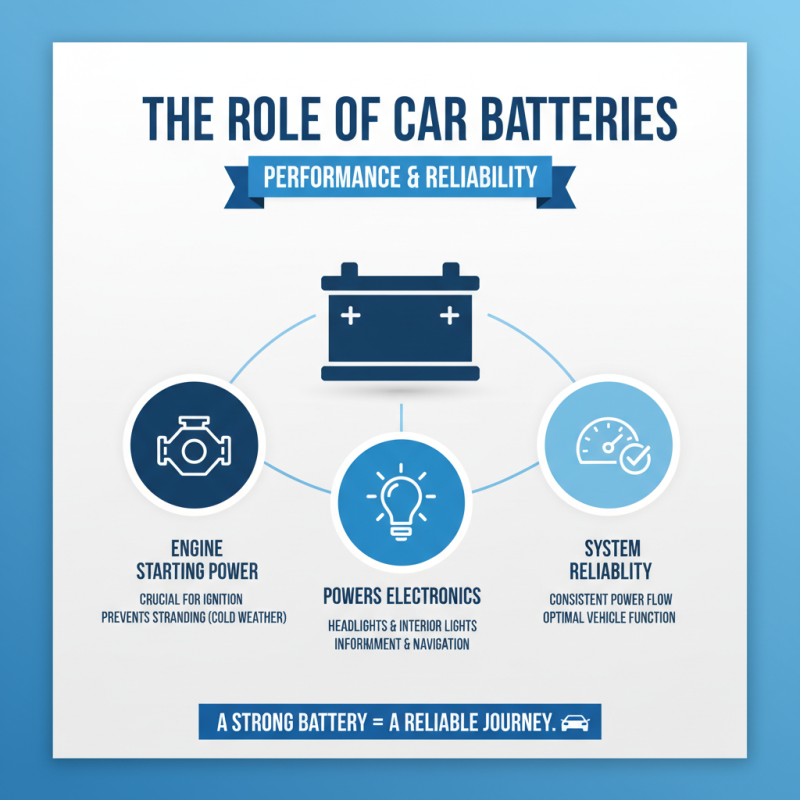
A car battery plays a crucial role in vehicle performance and reliability. It provides the necessary power for starting the engine. Without a strong battery, your vehicle may fail to start, leaving you stranded. This is particularly frustrating during cold weather or early mornings. A reliable battery also powers various electronic systems, like lights and infotainment.

Moreover, the condition of your battery affects fuel efficiency. An aging battery can drain energy, prompting the engine to work harder. This increased strain may lead to faster wear and tear of vital components. Regular checks can prevent unexpected battery failure. However, many drivers overlook this simple maintenance task, often waiting for warning signs before replacing the battery.

Ultimately, understanding your battery's health is essential. It’s not just about starting your vehicle—it impacts your driving experience and overall safety. Neglecting to consider your battery's role can lead to costly repairs down the line. Regular inspections coupled with a proactive approach can enhance your car's reliability significantly. A well-maintained battery ensures your vehicle runs smoothly, making every journey enjoyable.
Understanding Different Types of Car Batteries and Their Functions

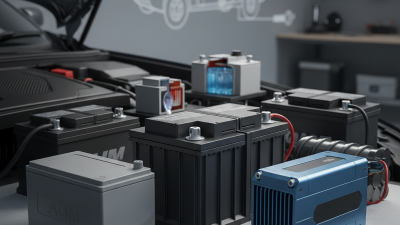
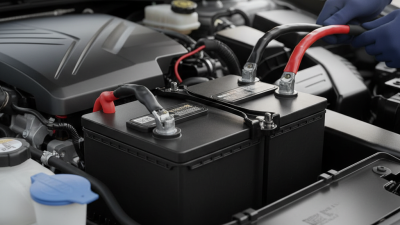
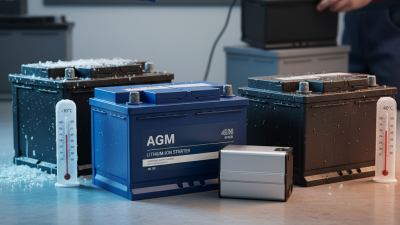
A car battery is vital for the overall performance of a vehicle. Understanding the different types of car batteries helps in maintaining reliability. The two main types are lead-acid and lithium-ion batteries. Lead-acid batteries are commonly used due to their affordability and robustness. They provide excellent starting power and are recyclable, making them environmentally friendly. Research indicates that about 80% of car batteries sold are lead-acid.

On the other hand, lithium-ion batteries are becoming popular in electric vehicles. They offer a longer lifespan and lighter weight, which can enhance vehicle efficiency. They can last up to twice as long as traditional lead-acid batteries, providing more power per unit of weight. However, they are more expensive and may require specialized handling.

Tip: Regularly check the battery terminals for corrosion. Cleaning them can improve the battery's lifespan and effectiveness.

Be aware that battery capacity decreases in extreme temperatures. Colder weather can reduce efficiency by up to 50%. This may lead to unexpected failures.

Tip: Invest in a battery maintenance charger during winter months. This can help ensure your battery remains charged and ready to start your vehicle.

Why a Good Car Battery is Essential for Your Vehicle Reliability

Battery Type Function Lifespan (Years) Typical Applications
Lead-Acid Starting Engine 3-5 Most Internal Combustion Vehicles
Absorbent Glass Mat (AGM) Starting, Deep Cycling 4-7 Luxury Vehicles, Start-Stop Systems
Lithium-Ion Electric Vehicles 8-15 Electric and Hybrid Cars
Flooded Lead-Acid Starting Engine 3-6 Older Vehicles, Basic Cars
Gel Cell Starting, Deep Cycling 4-6 RV, Marine

Signs of a Failing Car Battery and When to Replace It

A car battery is crucial for your vehicle’s performance. If your battery is failing, it can lead to unexpected breakdowns. Recognizing the signs of a failing battery is essential for maintaining reliability.

Watch for slow engine starts. If your engine hesitates before starting, it could be a battery issue. Additionally, dimming headlights while idling can indicate a battery that's not functioning well. Fluctuating dashboard lights are another sign. These indicators suggest that your battery needs attention.

Tips: Regularly inspect the battery terminals for corrosion. Clean connections can improve battery life. Testing the battery with a multimeter can also provide insight into its health. Aim for a voltage around 12.6 volts when the car is off. If it drops below 12.4 volts, consider a replacement soon.

Neglecting these signs may leave you stranded. It's easy to overlook battery care. However, ensuring your battery is in good shape is a simple way to enhance vehicle reliability. Don’t wait for problems to escalate; act on these indicators promptly.

Importance of Car Battery Health for Vehicle Reliability

As car batteries age, their performance declines significantly, which affects vehicle reliability. Regular checks can ensure that your battery is replaced before its performance drops below a functional level.

Proper Maintenance Tips for Extending Battery Life

Maintaining a car battery is vital for vehicle reliability. Research shows that a well-maintained battery can last up to six years. However, neglect can significantly shorten its lifespan. Around 25% of battery failures are due to improper maintenance. Regular checks can help prevent sudden breakdowns.

To extend battery life, keep the terminals clean. Corrosion builds up over time, leading to poor conductivity. A solution of baking soda and water can effectively remove this buildup. It is also crucial to ensure that the battery is securely mounted. Excessive vibrations can cause damage and decrease performance.

Temperature plays a significant role as well. Extreme cold or heat can reduce battery efficiency by 30% or more. Parking in shaded areas during summer can mitigate heat damage. Additionally, regularly testing battery voltage can provide insight into its health. A fully charged battery should read around 12.6 volts. If it dips below 12.4 volts, it’s time for a recharge or replacement. Simple maintenance practices can go a long way in ensuring your vehicle remains reliable.

The Impact of Climate on Car Battery Efficiency and Longevity

Extreme temperatures can significantly influence car battery performance. Cold weather can drain a battery faster than heat can. Cold starts require more power, and a weak battery may fail to start the engine. In contrast, hot temperatures can cause battery fluid to evaporate, leading to reduced efficiency and potential damage.

To extend battery life in varying climates, consider these tips. Regular checks are essential. Monitor battery terminals for corrosion. Clean connections maintain a strong electrical flow. Adequate insulation or a battery blanket can protect against extreme cold.

Keep an eye on the battery’s age. Most batteries last between three to five years. If the battery shows signs of wear, consider replacing it before facing harsh weather. These small steps can ensure reliability, especially when temperatures fluctuate.