How to Choose the Best RACV Car Battery in 2026?
Choosing the best RACV car battery in 2026 requires more than matching a price tag. Your vehicle’s engine size, electrical demands, driving habits, and local climate all matter. A small hatchback used for short Melbourne trips may need different support from a four-wheel drive crossing hot regional roads.
Automotive electrical specialist Daniel Hart explains, “A reliable battery is chosen by specification first, warranty second, and price last.” That advice is practical, but it deserves careful thought. The cheapest option can become expensive after repeated roadside call-outs, especially when the battery struggles during cold mornings or extended parking.
This guide examines the details that genuinely affect battery performance. We will consider cold-cranking amps, reserve capacity, battery dimensions, terminal layout, and charging compatibility. We will also discuss RACV roadside assistance, battery testing, installation, and warranty conditions. Small details matter.
For example, a battery may fit its tray but still have the wrong terminal position. It may start the car today but lack enough reserve power for lights, sensors, and entertainment systems. That assumption fails.
A useful buying decision should reflect real driving conditions, not advertising language. Still, no single RACV car battery suits every driver. Vehicle manuals can be unclear, and online recommendations sometimes overlook hybrid systems or start-stop technology. A little uncertainty is healthy here. Check the label, confirm the specifications, and ask a qualified technician before purchasing. This approach supports safer starting, steadier electrical performance, and better value throughout 2026.
Understanding RACV Car Battery Types and Compatibility
Choosing the right car battery starts with compatibility, not price. The battery must match your vehicle’s size, terminals, capacity, and electrical demands. I have seen drivers install a battery that physically fits, yet the terminals face the wrong direction. Small errors matter.
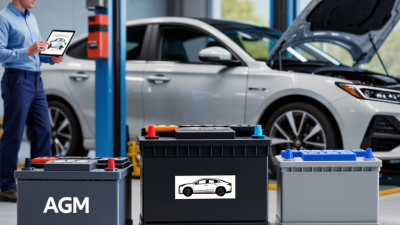
Common battery types include flooded lead-acid, EFB, and AGM. Flooded batteries suit many conventional vehicles. EFB batteries support cars with basic start-stop systems. AGM batteries handle frequent starting, heavy electrical loads, and advanced start-stop technology. Replacing an AGM battery with a standard flooded type may cause poor performance or early failure.
Check the owner’s manual and the existing battery label carefully. Compare cold cranking amps, amp-hour capacity, reserve capacity, case dimensions, and terminal polarity. A higher capacity is not always better. The charging system must support it. Modern vehicles may also use a battery management system that requires battery registration after replacement. A diagnostic scan can confirm this requirement.
Climate matters too. Cold mornings demand stronger starting power, while hot conditions accelerate battery wear. Ensure the battery has correct venting and secure mounting. I once trusted an online compatibility chart without checking terminal placement. The battery looked suitable, but installation became unsafe and inconvenient. That mistake remains a useful reminder: verify the vehicle specification, battery type, and charging requirements before purchase.
How to Choose the Best RACV Car Battery in 2026? — Understanding RACV Car Battery Types and Compatibility
The chart compares representative specifications for common 12-volt automotive battery types. Actual capacity and cold cranking amp ratings vary by vehicle, battery size, climate, and manufacturer. A replacement battery should match the vehicle’s required dimensions, terminal layout, polarity, capacity, and starting-current rating.
Conventional flooded batteries are widely used in standard vehicles. Enhanced flooded batteries are designed for moderate start-stop use, while AGM batteries are generally better suited to vehicles with frequent cycling, regenerative braking, or high electrical demand. Lithium iron phosphate batteries require specific charging and battery-management compatibility and are not a universal drop-in replacement.
Assessing Your Vehicle’s Battery Size, Power, and Specifications
Choosing the best car battery begins with accurate vehicle information, not appearance. Check the owner’s manual and the existing battery label. Record its group size, voltage, amp-hour rating, and cold-cranking amps.
Measure carefully.
A battery can fit the tray but still have the wrong terminal position. Confirm its length, width, height, polarity, and hold-down method. A loose battery may vibrate over rough roads, damaging internal plates and nearby wiring. I have seen this simple mistake cause repeated starting faults.
Power requirements deserve closer attention. Cold-cranking amps indicate starting strength in low temperatures. Amp-hours describe stored capacity, while reserve capacity shows how long the battery can support essential systems after charging weakens.
Vehicles with automatic stop-start systems may require enhanced flooded or AGM technology. Installing a standard battery can shorten its life and trigger warning messages. Some vehicles also need battery-management registration after replacement.
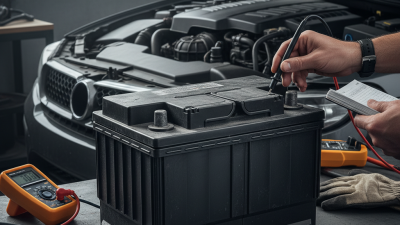
Do not judge condition from voltage alone. A fully charged battery may show about 12.6 volts, yet fail under load. Ask for a professional conductance or load test, especially after slow cranking, dim headlights, or repeated short trips.
Hot climates accelerate water loss and corrosion. Cold climates expose weak starting performance. My own checks are not perfect; a recent voltage reading looked healthy until a load test revealed a failing cell.
That is why the battery’s specifications, operating conditions, and test results should be considered together.
Checking Battery Performance for Victoria’s Climate and Driving Conditions
How to Choose the Best RACV Car Battery in 2026?
Victoria’s climate makes battery selection more complicated than a simple size match. Melbourne can move from cold mornings to hot parked interiors within hours. The Australian Bureau of Meteorology’s 1991–2020 climate data shows regular winter mornings below 10°C and summer days above 30°C. Heat matters more than many drivers expect. Battery Council International identifies high temperatures as a major cause of internal corrosion and shortened service life.
Check the battery’s cold-cranking rating, reserve capacity, and physical fit. A higher CCA rating helps during chilly starts, but it does not guarantee longer life. Reserve capacity is valuable when traffic delays, headlights, ventilation, and phone charging burden the electrical system. Modern vehicles with stop-start systems need compatible battery technology. Using the wrong type can cause early failure. It happens.
Driving patterns matter in Victoria. Short school runs may not replace the energy used during starting. Long commutes can help, but heavy congestion reduces charging efficiency. RACV roadside assistance data has repeatedly listed flat batteries among common call-out reasons, supporting regular testing rather than emergency replacement. Ask for a conductance or load test, not only a voltage reading. A resting battery can show about 12.6 volts and still collapse under demand.
Inspect terminals for white corrosion and check the charging voltage under load. The Australian Battery Industry Association recommends professional testing when starting becomes slower or electrical warnings appear. A three-year replacement rule is convenient, but imperfect. Climate, parking habits, and neglected charging systems can change the result.
How to Choose the Best RACV Car Battery in 2026? – Checking Battery Performance for Victoria’s Climate and Driving Conditions
Specifications are general automotive ranges. Always confirm the vehicle manufacturer’s required battery size, terminal layout, technology and cold-cranking rating before purchase.
| Vehicle and Driving Profile |
Suitable Battery Technology |
Typical Voltage |
Typical Capacity |
Typical CCA Range |
Why It Suits Victorian Conditions |
Important Checks |
Small petrol hatchback
Mostly short suburban trips |
Flooded lead-acid or maintenance-free lead-acid |
12 V |
35–55 Ah |
300–500 A |
Suitable for mild coastal conditions and regular urban use when the vehicle has limited electrical accessories. |
Check physical dimensions, positive-terminal position, reserve capacity and compatibility with the charging system. |
Medium petrol or diesel vehicle
Mixed city and highway driving |
Enhanced flooded battery or sealed lead-acid battery |
12 V |
55–75 Ah |
450–700 A |
Provides a practical balance for Melbourne traffic, cooler winter mornings and longer regional journeys. |
Match the original battery’s group size, CCA, venting arrangement and hold-down method. |
Vehicle with stop-start system
Frequent traffic-light cycling |
Enhanced flooded battery or AGM battery, as specified by the vehicle |
12 V |
60–80 Ah |
550–800 A |
Designed for repeated engine starts and higher electrical demand during congested urban driving. |
Do not replace an AGM battery with a conventional battery unless the vehicle manufacturer explicitly permits it. Battery registration or charging-system calibration may be required. |
Modern diesel SUV or utility
Cold starts, towing or regional travel |
Heavy-duty flooded battery, EFB or AGM battery according to vehicle requirements |
12 V |
70–100 Ah |
650–950 A |
Higher starting power supports diesel compression ignition and accessory use on longer trips through regional Victoria. |
Check the manufacturer’s minimum CCA, reserve capacity, battery tray size and auxiliary electrical load. |
Vehicle with winch, fridge or touring accessories
Camping, off-road or extended accessory use |
AGM battery or approved dual-battery setup |
12 V |
80–120 Ah |
700–1,000 A |
AGM construction generally offers strong vibration resistance and better support for repeated cycling than a basic starting battery. |
Confirm alternator and charger compatibility, available installation space, cable protection and correct isolation equipment. |
Hybrid vehicle
Petrol-electric drivetrain |
Vehicle-specific 12 V auxiliary battery; high-voltage battery is separate |
12 V auxiliary system |
35–60 Ah |
300–600 A |
A correctly specified auxiliary battery supports electronic systems and control modules during start-up and short trips. |
Use the exact battery chemistry, venting arrangement and dimensions specified for the hybrid model. Do not service the high-voltage system without qualified training. |
Electric vehicle
Low-voltage accessory system |
Vehicle-specific 12 V or low-voltage auxiliary battery |
Usually 12 V |
30–60 Ah |
250–600 A |
The auxiliary battery powers locks, computers, safety equipment and other low-voltage systems; it does not propel the vehicle. |
Follow the exact vehicle procedure and use only the specified battery type. High-voltage isolation must be handled by qualified technicians. |
Victoria Climate and Usage Checks
- Choose a battery with adequate CCA for cooler winter mornings, particularly for diesel engines.
- Short trips may not fully restore the energy used during starting, so regular charging-system checks are important.
- Hot summer temperatures can accelerate battery ageing; inspect the case, terminals and electrolyte condition where applicable.
- Replace a battery showing repeated slow cranking, warning lights, swelling, leakage or resting voltage below approximately 12.4 V after being fully charged.
- Typical service life is about 3–5 years, but heat exposure, vibration, driving distance and electrical load can shorten or extend it.
Choosing and Installing the Best RACV Car Battery in 2026
Choosing the best car battery for Australian driving starts with fit, not price. Check the owner’s manual for battery group size, terminal layout, capacity, and cold-cranking amps. A higher rating is not always better. The charging system must support it.
Battery Council International identifies three to five years as a common automotive battery service range. Heat, short trips, and long parking periods can shorten it. Battery failure becomes more likely when starting sounds slower, lights dim, or the battery case swells. I have seen drivers replace only the battery, then discover a weak alternator caused the problem. That mistake costs more.
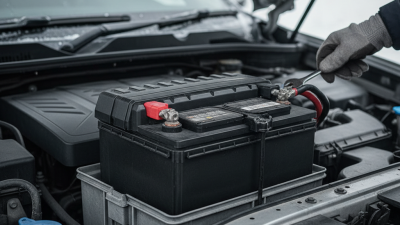
Installation needs patience. Turn off the ignition and remove metal jewellery. Disconnect the negative terminal first, then the positive terminal. Fit the replacement with the positive cable first and the negative cable last. Keep the battery level, secure the hold-down firmly, and clean corrosion carefully. Many newer vehicles need battery-management registration after installation. Skipping that step can affect charging and battery life.
Tips: Match the original specifications before comparing warranties. Test voltage and charging output together. Choose a battery with a recent manufacture date. If the vehicle has stop-start technology, use the correct AGM or EFB type. Record the replacement date. A rushed installation may start the engine, but it is not necessarily a proper repair.