2026 Best Car Battery How to Order Car Batteries?

Choosing the right battery is no longer a quick guessing game at an auto-parts counter. Modern vehicles may require AGM, EFB, or conventional flooded batteries. Each type serves different electrical demands.

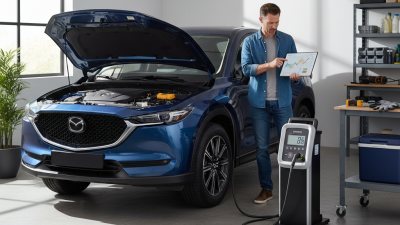
Craig Van Batenburg, an automotive service educator and hybrid-vehicle specialist, offers a useful reminder: “Test before you replace.” That short sentence matters. A weak battery may come from corrosion, a charging fault, or repeated short trips. Ordering a new unit without testing can waste money and leave the real problem untouched.

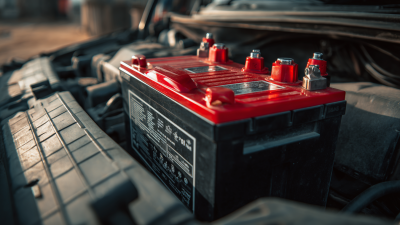
This guide explains how to order car battery products with greater confidence. It covers battery group size, cold-cranking amps, reserve capacity, terminal layout, technology, and warranty terms. You will also learn how to read the label on your existing battery. Take a photo first. Small details matter.

Check the vehicle manual.

Online listings can be confusing. Some sellers show compatible models, but compatibility does not always guarantee correct performance. Start with the vehicle’s year, make, model, engine, and start-stop system. Then compare the battery’s dimensions with the tray under the hood. A battery that almost fits is not a safe fit.

Delivery also deserves attention. Batteries are heavy, regulated automotive components, and shipping policies vary by location. Confirm the delivery date, return conditions, core-charge process, and installation options before paying. Mistakes happen, even with careful buyers. This guide acknowledges that reality and provides practical checks to reduce it.

The goal is simple: order car battery equipment that fits, performs reliably, and matches your driving conditions—not merely the cheapest option.

2026 Best Car Battery How to Order Car Batteries?

How to Identify the Right Car Battery for Your Vehicle

Choosing the right car battery begins with your vehicle’s exact specifications, not its appearance. Check the owner’s manual for battery group size, capacity, starting current, and required battery type. A battery may fit the tray but still have the wrong terminal layout.

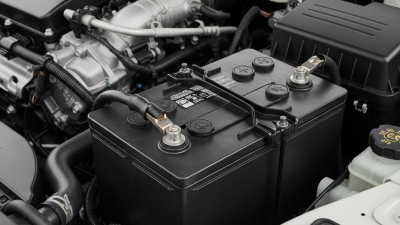
Measure the old battery’s length, width, and height before ordering. Confirm the positive terminal position from the front. Check the hold-down bracket, vent arrangement, and cable reach.

Cold-cranking performance matters in winter, while reserve capacity supports lights and electronics during engine-off use. Modern vehicles may require conventional, enhanced flooded, or absorbed glass mat batteries.

Installing the wrong type can shorten service life and affect charging behavior. Look at the manufacturing date and warranty conditions. Fresh stock is preferable. It is easy to overlook this detail. Before placing an order, compare the listed specifications with your manual and a trusted vehicle database.

If the vehicle has start-stop technology, verify compatibility carefully. After installation, inspect the terminals for corrosion and ensure the battery cannot move when pushed. A basic voltage check can help, but smart charging systems may show changing readings. That part is often misunderstood.

When uncertain, ask a qualified technician to test the charging system, especially if the previous battery failed unexpectedly. Even careful buyers can miss one measurement, so rechecking the dimensions and polarity before payment remains worthwhile.

How to Compare the Best Car Batteries in 2026

Comparing the Best Car Batteries in 2026 starts with fit, not advertising. Check the vehicle manual, battery group size, terminal layout, and required voltage. A battery can have strong specifications yet fail installation. Measure the tray before ordering. I learned this the inconvenient way.

Compare cold-cranking amps (CCA), reserve capacity (RC), battery type, warranty, and production date. CCA matters in freezing weather, while RC supports lights and electronics during charging problems. The U.S. Department of Energy explains that low temperatures reduce battery performance and increase engine-starting demand. Therefore, drivers in cold regions should prioritize suitable CCA, not simply the highest number. In hot climates, heat resistance and proper ventilation deserve more attention. No single specification wins everywhere.

Battery type also affects value. Flooded lead-acid batteries usually cost less, while sealed or enhanced designs may better suit vehicles with frequent stop-start operation. Match the replacement type specified by the vehicle maker. The Battery Council International reports that lead batteries remain highly recyclable, and the U.S. Environmental Protection Agency estimates that more than 99% of lead-acid batteries are recycled in the United States. Ask the seller for the manufacturing date, not only the warranty length. A long warranty is useful, but coverage may exclude installation errors or deep discharge. Check return shipping rules, recycling options, and independent test data before ordering. I would still compare two or three offers; online ratings can be helpful, but they sometimes hide vehicle-specific problems.

How to Check Battery Specifications, Compatibility, and Warranty

Choosing the best car battery in 2026 starts with accurate specifications, not attractive packaging. Check the vehicle manual for voltage, capacity, cold-cranking amps, and reserve capacity. Most passenger cars use 12-volt batteries, but capacity and starting power still vary.

Measure the battery tray carefully. Confirm its length, width, height, terminal position, and hold-down design.

Measure twice.

Compatibility also includes battery technology. A vehicle with stop-start operation may require an advanced battery type, while a standard battery may suit an older design.

Check the vehicle identification number through a trusted parts database, then compare the result with the manual.

I once ordered a battery with the correct dimensions but the wrong terminal layout. It could not connect safely. That mistake was avoidable.

Before ordering, read the complete warranty terms. Check the coverage period, replacement process, testing requirements, and exclusions. Some warranties become limited after an initial period. Ask whether proof of purchase is required.

Inspect the battery’s production date, since long storage can reduce performance. Keep the receipt.

Reliable sellers should provide clear specifications, delivery details, and return conditions. If information conflicts, pause the order and verify it with the vehicle manufacturer’s documentation or a qualified technician.

Do not guess.

A small specification error can cause installation problems, starting failure, or unnecessary expense.

My own checklist is not perfect, but writing each measurement down has prevented repeat mistakes.

How to Order a Car Battery Online or From a Local Store

2026 Best Car Battery: How to Order Car Batteries?

When ordering a car battery, identify the exact battery group size first. Check the owner’s manual, existing battery label, or vehicle identification details. Record the required voltage, cold cranking amps, dimensions, terminal position, and battery type. Some vehicles need AGM or EFB batteries for start-stop systems. A similar-looking battery may still fit badly or perform poorly. Two batteries can look alike.

Online ordering saves time, but fitment information must be checked carefully. Enter the vehicle’s year, engine size, and model details on the seller’s website. Compare the listed specifications with your manual before paying. Look for the manufacturing date, warranty terms, return process, and delivery conditions. I once focused on price and overlooked the terminal layout. That mistake could have delayed installation. Select a seller that provides clear technical data and reachable customer support.

A local store allows you to inspect the battery before purchase. Ask staff to confirm the dimensions and starting rating. Check for cracks, swelling, damaged terminals, or unclear date markings. Many stores can test the old battery and install the replacement safely. Bring a photo of the current battery and its cable connections. This simple step prevents confusion. If the vehicle has memory settings or sensitive electronics, professional installation is the safer choice. Keep the receipt and warranty documents, even when everything seems correct.

2026 Best Car Battery: How to Order a Car Battery Online or From a Local Store

Before ordering, verify the battery group size, physical dimensions, terminal position, battery technology, and required cold-cranking performance in the vehicle owner's manual or an exact-fitment catalog. The chart shows nominal maximum dimensions for several common BCI battery group sizes; dimensions are in inches and should be confirmed for the specific vehicle.

Ordering tip: Online buyers should compare the group size, dimensions, terminal layout, CCA rating, manufacture date, return policy, and delivery restrictions. At a local store, bring the old battery or provide the vehicle year, make, model, engine, and trim so the fitment can be checked before purchase.

How to Prepare for Delivery, Installation, and Battery Disposal

When ordering a car battery in 2026, match the vehicle’s engine, battery group size, terminal layout, capacity, and starting current. Check the owner’s manual, not only an online picture. I once trusted a similar-looking battery and nearly missed a reversed terminal position. Measure the tray and cable reach before paying. Confirm the delivery date, return policy, warranty conditions, and whether the battery arrives fully charged. Request careful packaging and inspect the box for crushed corners, acid stains, or a tilted case.

Prepare a dry, ventilated work area before installation. Wear gloves and eye protection, then switch off the ignition and remove metal jewelry. For removal, disconnect the negative cable before the positive cable. Secure the replacement battery upright, connect positive first, and tighten both terminals without forcing them. Some vehicles need electronic battery registration after installation. A repair technician is safer when access is restricted or the vehicle has complex electrical systems. Do not rush this step.

Battery disposal needs equal care. Keep the old unit upright, cover exposed terminals, and place it in a leak-resistant container. Never put it in household waste or leave it beside a road. Return it through an approved recycling or collection service that accepts automotive batteries. If acid leaks, avoid touching it and keep children and pets away. The packaging may look harmless, but it can hide damage. I still recheck the connection after a short drive, because a quiet battery tray can conceal a loose clamp.

2026 Best Car Battery: How to Order Car Batteries — Preparing for Delivery, Installation, and Battery Disposal

Planning Dimension What to Check or Do Reliable General Guidance Timing or Acceptance Criteria
1. Select the Correct Replacement Battery
Vehicle compatibility Use the vehicle owner’s manual, the existing battery label, or the vehicle identification information to confirm the required battery specification. The replacement must match the vehicle’s required battery group size, terminal layout, physical dimensions, hold-down arrangement, voltage, and polarity. Confirm compatibility before placing the order. A battery that fits the tray but has the wrong terminal position may not be safe to install.
Battery voltage Verify the electrical system voltage before ordering. Most passenger cars use a 12-volt battery system. The battery must be designed for the vehicle’s electrical system. Check the specification in the vehicle manual rather than relying only on appearance.
Battery technology Identify whether the vehicle requires a conventional flooded lead-acid battery, an enhanced flooded battery, or an absorbed glass mat battery. Vehicles equipped with automatic stop-start systems commonly require a battery technology specified by the vehicle manufacturer. Replacing it with an incompatible type can shorten battery life or affect vehicle functions. Use the same technology unless the vehicle manufacturer explicitly permits an upgrade.
Cold cranking performance Compare the battery’s cold cranking amps with the vehicle’s required rating. Cold cranking amps indicate the current a battery can deliver during a cold start. A higher rating is not automatically better if the battery dimensions, terminals, or charging requirements are incorrect. Meet or exceed the vehicle manufacturer’s recommended rating without sacrificing fit or compatibility.
Reserve capacity Review the reserve capacity specification where available. Reserve capacity estimates how long a fully charged battery can support a specified electrical load if the charging system is not operating. The test rating and conditions should be considered when comparing products. Choose a suitable rating for the vehicle’s electrical equipment and driving conditions.
Physical fit Measure the battery tray and compare the battery length, width, height, terminal position, and hold-down design. The battery must sit securely without touching the hood or nearby components. The terminals must not be forced, stretched, or repositioned to make a connection. Verify all dimensions and the terminal layout before ordering.
Manufacturing date Request a recently manufactured battery and check the date code when it arrives. Lead-acid batteries gradually self-discharge during storage. A battery that has been stored for an extended period may require charging before service. Inspect the date code and ask the seller about storage and charging procedures if the battery appears old.
2. Order and Delivery Preparation
Order information Provide the vehicle year, make, model, engine, battery technology, required group size, and terminal arrangement when ordering. Vehicle details help identify the correct specification, but the final selection should still be checked against the owner’s manual or the original battery. Review the order confirmation immediately and correct any mismatch before shipment.
Shipping condition Choose a delivery method that keeps the battery upright and protects it from impact. Lead-acid batteries contain corrosive electrolyte and must be transported in accordance with applicable shipping regulations. Batteries should not be shipped loose where they can tip, leak, or short-circuit. Do not accept a package with severe crushing, leakage, a broken case, or exposed terminals.
Delivery inspection Inspect the carton and battery before signing for or using the delivery. Look for cracks, swelling, electrolyte leakage, damaged terminals, missing vent components, or a distorted case. Photograph any damage and retain the packaging. Report shipping damage promptly and do not install a damaged battery.
Storage before installation Keep the battery upright in a cool, dry, ventilated location away from sparks, flames, children, and metal objects. Do not store a battery on its side unless the battery design specifically permits it. Avoid freezing temperatures when the battery is discharged because a discharged electrolyte solution can freeze more easily. Install or charge it as soon as reasonably practical after delivery.
State of charge Check the battery’s state of charge with a suitable tester or voltmeter if the manufacturer provides a testing procedure. A typical fully charged 12-volt lead-acid battery measures approximately 12.6 to 12.8 volts at rest, although temperature, battery design, and test conditions affect the reading. Charge the battery using the correct charger and procedure if its state of charge is low before installation.
3. Safe Installation
Tools and protection Prepare safety glasses, chemical-resistant gloves, insulated tools, and the correct battery hold-down hardware. Lead-acid batteries can produce explosive hydrogen gas and contain corrosive electrolyte. Remove jewelry and keep sparks, cigarettes, and open flames away from the work area. Work in a well-ventilated area with the vehicle turned off and secured against movement.
Vehicle preparation Switch off lights, accessories, ignition, and any connected equipment. Keep the key away from the vehicle during installation. Some vehicles may lose stored settings or require electronic initialization after battery replacement. Check the vehicle manual before disconnecting the old battery. Follow the vehicle-specific battery replacement procedure.
Disconnecting the old battery Disconnect the negative cable first, then the positive cable, unless the vehicle manual specifies another procedure. Disconnecting the negative terminal first reduces the risk of creating a short circuit between the positive terminal and the vehicle body with a tool. Keep the cable ends separated from the terminals during removal.
Cleaning the connection points Inspect and clean corrosion from the cable terminals and battery tray using appropriate tools and protective equipment. Connections should be clean, dry, and tight. Do not remove excessive material or damage the cable terminals. Replace damaged, loose, heavily corroded, or heat-discolored cables before completing the installation.
Installing the new battery Place the battery in the correct orientation and secure it with the original or approved hold-down hardware. The battery must not move when gently pushed. Do not use improvised straps, loose objects, or excessive clamping force that could damage the case. Confirm that the terminals and vent outlets are positioned correctly before connecting cables.
Connecting the terminals Connect the positive cable first and the negative cable second, unless the vehicle manual specifies another sequence. Ensure each terminal is fully seated and tightened to the vehicle or battery manufacturer’s specified torque. Do not hammer terminals onto the posts. Terminals should be secure without being overtightened. Keep the positive terminal protected from accidental contact with metal tools.
Post-installation checks Start the vehicle and check for warning lights, abnormal electrical behavior, loose connections, or unusual odors. Verify that the charging system is functioning. A typical charging voltage for many vehicles is approximately 13.5 to 14.8 volts while the engine is running, but the correct range depends on the vehicle and charging strategy. Resolve charging-system warnings or abnormal readings before regular driving.
Battery registration or reset Determine whether the vehicle requires battery registration, battery monitoring system reset, or electronic configuration after replacement. Some modern vehicles monitor battery age, capacity, and charging behavior. Failure to perform the required procedure can result in improper charging or reduced battery life. Use the vehicle manufacturer’s procedure or a qualified technician when electronic registration is required.
4. Old Battery Removal and Disposal
Handling the removed battery Keep the old battery upright and place it in a leak-resistant container during transport. Do not place batteries in household trash or ordinary recycling bins. Prevent the terminals from contacting metal objects by using terminal covers or suitable nonconductive protection. Transport the battery promptly to an authorized collection point or an automotive recycling facility.
Recycling method Return the used lead-acid battery through a battery take-back program, municipal hazardous-waste facility, automotive service location, or other authorized recycler. Lead-acid automotive batteries are widely recyclable. The lead, plastic case, and electrolyte can be recovered through regulated recycling processes. Confirm local acceptance rules, opening hours, and any core-charge or deposit requirements before delivery.
Leaking or damaged battery Do not touch leaking electrolyte with bare skin and do not place a damaged battery inside a passenger compartment. Keep people and animals away, avoid sparks, and contact local hazardous-materials or waste authorities for handling instructions. If electrolyte contacts skin or eyes, flush immediately with plenty of clean water and seek medical attention. Use the local emergency or hazardous-waste procedure for cracked, swollen, hot, or leaking batteries.
Documentation Keep the purchase receipt, warranty information, installation date, battery specifications, and recycling receipt when available. These records support warranty claims, maintenance planning, and proof of responsible disposal. Record the installation date and any battery registration completed.
5. Final Quality and Safety Checklist
Before driving
  • Battery matches the required specifications.
  • Case and terminals are undamaged.
  • Battery is firmly secured.
  • Positive and negative cables are connected correctly.
  • Terminals are clean and tight.
  • No tools or packaging remain in the engine compartment.
  • Charging-system warnings are absent.
A secure installation prevents movement, short circuits, cable damage, and accidental contact with hot or moving engine components. Complete the checklist before regular use and recheck the installation after the first few drives if required by the vehicle manual.
Safety note: Always follow the vehicle owner’s manual, battery instructions, and local transport and recycling regulations. If the battery is difficult to access, the vehicle has a battery monitoring system, or the battery is damaged or leaking, use a qualified automotive technician or an authorized recycling facility.