China Top 10 Longest Lasting Car Battery Brands
Choosing a car battery is rarely exciting, until a cold morning leaves the engine silent. This guide examines 10 car battery brands in China and what drivers should compare before buying. It explores the search for the longest lasting car battery, but longevity is not a promise printed on a label. Battery chemistry, rated capacity, start-stop compatibility, and warranty terms can all affect performance. A compact sedan making short city trips faces different demands from a family SUV covering long highway miles. Heat, deep discharge, loose terminals, and an aging alternator may also shorten service life. Real use varies.
Read any brand overview alongside your vehicle manual and the exact battery model specifications. Check the required size, terminal layout, cold-cranking rating, and whether the car needs an EFB or AGM design. Those details are easy to miss. A longer warranty can be useful, but it does not guarantee longer real-world life; review its coverage and exclusions. Where available, compare independent test data with manufacturer claims, and ask a qualified technician to verify fitment and charging health. This article offers a clear starting point, not a universal winner. Even careful comparisons have limits: climate, maintenance, and driving habits are difficult to reproduce across tests. A top-ten list should not replace checking the battery already fitted in your car.
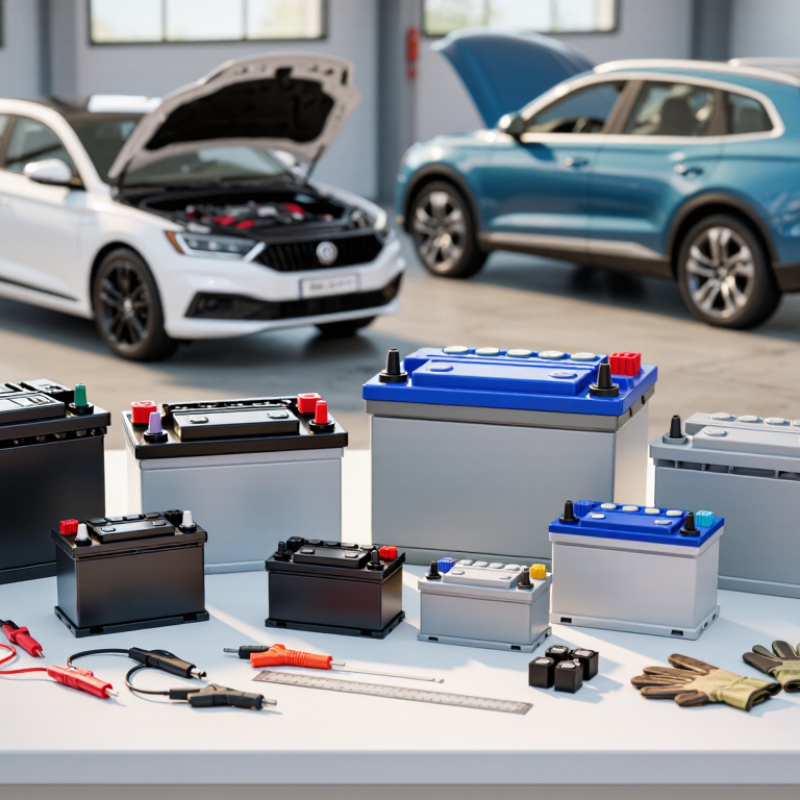
How Car Battery Lifespan Is Measured in China
In China, car-battery lifespan is measured through performance, not simply by counting years.
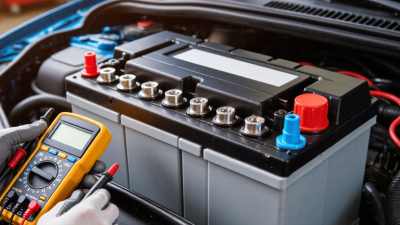
Testing follows applicable national standards and defined laboratory procedures. Technicians check starting power, usable capacity, and the battery’s ability to withstand repeated charging and discharging. Cold-start tests matter, too. A battery must deliver current when temperatures fall, not just perform well in a warm workshop.
Cycle testing offers a clearer view of wear. The battery is charged and discharged under controlled conditions, then its capacity is checked again. Testers may also examine how quickly it accepts charge and whether it holds voltage after resting. These results help compare products on similar terms. But they are not a promise of identical service life in every car.
Real roads are less tidy. Short trips, long periods parked, hot summers, and a weak charging system can all affect battery health. A driver who makes repeated brief journeys may notice slow starting sooner than someone taking longer drives. That difference is easy to overlook. Laboratory measurements are useful, but they cannot fully reproduce daily use, and a single lifespan figure may hide important variation.
Factors That Influence Long-Term Battery Performance
Long service life depends on more than a battery’s label or advertised cycle rating. Heat is a major stressor: high under-hood temperatures can speed corrosion and water loss, especially during repeated short trips. Cold weather bites. It slows chemical reactions and makes starting harder, so a partly charged battery may struggle. Neither climate tells the whole story.
Driving patterns matter. A car used for brief errands may not run long enough to replace the energy spent starting. Frequent stops, accessories, and long parking periods can deepen discharge. That adds wear. Keep terminals clean and firmly connected; white or bluish deposits can raise resistance and interrupt charging. Vibration matters too. Loose hold-downs let the case move over rough roads, stressing internal connections.
Charging-system health is equally important. An alternator that undercharges leaves the battery chronically low, while excessive charging can accelerate damage. Have the system checked if starts become sluggish, lights dim, or a warning appears; symptoms alone do not prove battery failure. Age, chemistry, and vehicle design affect test results. I would not judge battery life by one cold morning. A load test and charging-system inspection give a more grounded answer.
China Top 10 Longest Lasting Car Battery Brands - Factors That Influence Long-Term Battery Performance
Illustrative lead-acid battery service-life index at different average temperatures (25°C baseline = 100).
A common rule of thumb is that lead-acid battery life may be roughly halved for each 10°C rise above 25°C. Actual service life also depends on charging quality, discharge depth, vibration, and usage patterns; these values are indicative, not a guarantee.
China’s 10 Longest-Lasting Car Battery Brands
China’s 10 longest-lasting car battery brands are best compared through real-world durability, not advertising claims. A battery may perform differently in a northern winter than in a warm coastal city. Heat, short trips, heavy electrical use, and long periods parked can all shorten service life. There is no single lifespan that fits every driver.
A careful comparison should consider warranty terms, manufacturing consistency, capacity retention, and resistance to vibration. Look for test results that explain their conditions, such as temperature, charging pattern, and number of cycles. A clear warranty matters, but it does not prove that every battery will last equally long. Read the exclusions closely.
Daily habits count, too. A weak alternator can leave a new battery undercharged, while frequent short drives may never restore the energy used to start the engine. Keep the terminals clean and have the charging system checked if starting becomes sluggish. Small details matter. I would treat any top-ten ranking as a starting point, not a guarantee; independent, long-term data can be limited, and some comparisons are imperfect. Choose a battery that matches the vehicle’s specifications and the climate it faces.
Comparing Battery Types, Warranties, and Reliability
Battery longevity depends on chemistry, climate, and daily use—not just the label on the case. AAA’s published battery-care guidance gives a typical service life of three to five years. In China’s hot southern summers, heat can speed battery aging; short trips may also leave less time for recharging. A battery can fail early. It happens.
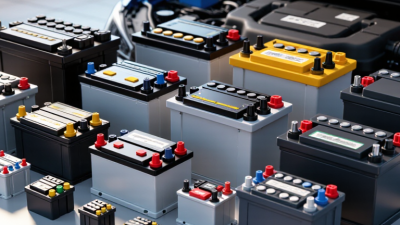
Flooded lead-acid batteries are usually the lower-cost option, while EFB and AGM designs suit vehicles with frequent stop-start operation. AGM batteries generally tolerate repeated cycling better, but vehicle compatibility matters. SAE J537 provides standardized battery test procedures, including measures related to starting performance and capacity. Those test results help comparison, yet they cannot predict every driver’s real-world service life. A useful check: inspect the date code, then request a load test before winter.
Warranty length is worth comparing, but it is not a lifespan promise. Read the terms closely: some coverage changes after an initial full-replacement period, and exclusions may apply. Compare the free-replacement period, prorated coverage, and claim requirements side by side. Keep the receipt and installation record. One imperfect point: a longer warranty may look reassuring, but it says little about how the battery handles heat, vibration, or repeated short journeys. Actual reliability is better judged through fit, test data, and service history.
How to Choose and Maintain a Durable Car Battery
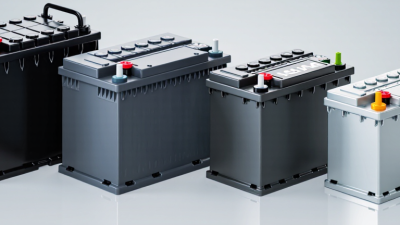
A durable car battery starts with the right fit, not the biggest number on the shelf. Check your owner’s manual for the required battery type, dimensions, and cold-cranking amps (CCA). CCA measures starting power in cold conditions; choosing below the vehicle’s requirement can mean sluggish starts on frosty mornings. A higher rating is not automatically better if the battery does not fit securely or suit the charging system. Heat matters, too. A battery sitting near a hot engine bay faces tougher conditions than one in a cooler location.
AAA’s consumer battery guidance puts typical service life at three to five years, with climate and driving habits affecting the result. Short trips may not give the alternator enough time to replace the energy used at startup. A slow crank is a useful warning, but it is not a perfect one; batteries can fail with little notice. Have the battery tested before extreme weather, especially if it is several years old. Keep terminals clean and firmly connected. If corrosion returns quickly, check the charging system rather than repeatedly cleaning the same spot.
Tips: Check the manual before buying. Ask for a load test, not just a voltage reading. Wipe dirt from the case, inspect for swelling or leaks, and secure the battery against vibration. Small checks help. Skip a check once, and you may regret it on a cold morning.