What Is an Auto Battery and How Does It Work?

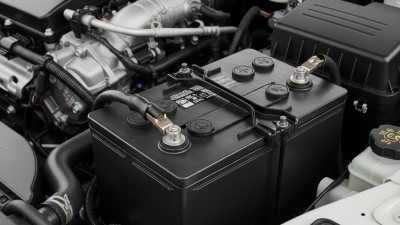
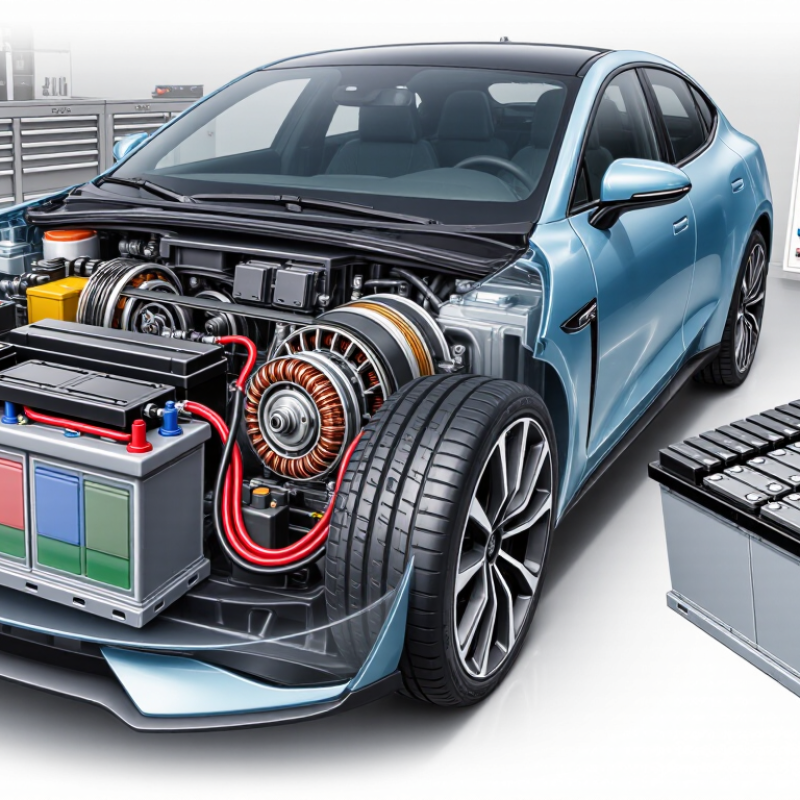
An auto battery is more than a box beneath the hood. It stores chemical energy and releases electrical power when the vehicle needs it. In a gasoline car, the 12-volt battery turns the starter motor, powers the ignition system, and supports lights and control modules. The alternator then restores much of that energy while the engine runs. In electric vehicles, large lithium-ion battery packs supply the traction motor. The design is different, but the basic idea remains familiar: controlled chemical reactions produce usable electricity.

The International Energy Agency reported that global electric-vehicle battery demand exceeded 750 gigawatt-hours in 2023. That figure shows how quickly battery technology is entering everyday transport. It also explains why battery safety, charging behavior, temperature control, and recycling deserve careful attention. Isidor Buchmann, founder of Cadex Electronics and a widely cited battery specialist, states, “A battery is a device that converts chemical energy directly into electrical energy.” Simple words. Difficult engineering. Battery Council International and U.S. Environmental Protection Agency materials also describe lead-acid batteries as highly recyclable, with recovery rates approaching 99% in the United States.

A closer look reveals important differences. A weak starter battery may click once on a cold morning. A degraded EV pack may lose driving range gradually. Drivers often notice symptoms before they understand the cause. This guide explains battery construction, charging, failure patterns, and maintenance. It also leaves room for caution. Battery labels can oversimplify real performance. Weather, driving habits, and vehicle electronics can change the outcome. Understanding those details makes an auto battery less mysterious, and possibly more reliable.
What Is an Auto Battery and How Does It Work?

Auto Battery Basics: Six 2.1-Volt Cells Produce a 12.6-Volt System

What Is an Auto Battery and How Does It Work?

Auto Battery Basics: Six 2.1-Volt Cells Produce a 12.6-Volt System

An auto battery stores chemical energy and releases it as electrical power. In a common 12-volt battery, six internal cells connect in series. Each healthy cell produces about 2.1 volts at rest. Together, they provide approximately 12.6 volts when fully charged. That arithmetic is simple. The chemistry is not.

Inside each cell, lead-based plates sit in an electrolyte solution. During starting, a chemical reaction sends current through the terminals. This current turns the starter motor and supports the vehicle’s electrical systems. The engine may need hundreds of amperes for only a few seconds. A weak battery can still show 12 volts, yet fail under that heavy demand.

I used to think voltage alone proved battery health. It does not. A reliable check measures voltage after the vehicle rests and tests performance under load. Around 12.6 volts usually indicates a full charge, while a much lower reading deserves investigation. Temperature also changes results, especially during cold mornings. Loose terminals, white corrosion, or a damaged cable can restrict current even when the six cells remain intact. The charging system restores energy while the engine runs, but it cannot repair a failed cell. One small detail matters: six cells must work together. When one cell weakens, the entire 12.6-volt system loses useful strength.

Lead-Acid Components: How Plates, Electrolyte, and Separators Store Energy

An auto battery is a rechargeable lead-acid device that converts chemical energy into electrical power. Inside, positive plates contain lead dioxide, while negative plates use porous, sponge-like lead. These plates sit in an electrolyte made from sulfuric acid and water. The materials look ordinary, but their reaction can deliver a strong current within seconds.

Porous separators sit between the plates. They prevent direct contact, which could cause an internal short circuit, while allowing charged ions to move through the electrolyte. When the battery powers a starter, sulfur ions react with both plate materials. This chemical change produces electrons that travel through the vehicle’s electrical system. The plates gradually become coated with lead sulfate, and the electrolyte becomes weaker.

Charging reverses much of this reaction. The alternator pushes current back through the battery, restoring the plate materials and electrolyte strength. During routine checks, I look for swollen cases, loose terminals, and low fluid levels in serviceable designs. A battery may still show voltage but lack enough cranking power. Voltage alone can mislead.

The separator is not perfect. Tiny damage, heat, vibration, or plate shedding can reduce capacity over time. This is where simple explanations fall short. A clean connection helps, but it cannot repair worn internal chemistry. Temperature matters too. Cold thickens the electrolyte and slows the reaction, making a tired battery struggle at startup.

Discharge Chemistry: How Chemical Reactions Deliver Current to the Starter

What Is an Auto Battery and How Does It Work?

A conventional auto battery stores chemical energy in six lead-acid cells. During discharge, each cell produces roughly two volts. The negative plate contains lead, while the positive plate contains lead dioxide. Sulfuric acid carries charged particles through the electrolyte.

At the negative plate, lead reacts with sulfate ions and releases electrons. Those electrons cannot travel freely through the electrolyte. Instead, they move through the external circuit, entering the starter motor and creating electrical current. At the positive plate, lead dioxide consumes the electrons and reacts with hydrogen ions and sulfate ions. Both plates gradually form lead sulfate, while water increases in the electrolyte.

This chemistry is the engine’s quiet power source. The starter may demand several hundred amperes for a few seconds. Internal resistance then causes a temporary voltage drop, especially in cold weather. Cold electrolyte moves less efficiently. The plates also react more slowly.

One detail is often missed.

The battery does not “make” electrons. Its chemical reactions push existing electrons through a circuit. The simplified reaction is useful, but real batteries involve uneven plate surfaces, heat, resistance, and aging. If a battery remains partly discharged, lead sulfate can harden on the plates. That condition, called sulfation, reduces the active surface area and weakens future starting performance. A voltage reading alone may look acceptable, yet the battery can still fail under a heavy starter load.

Starting Performance: Cold-Cranking Amps and SAE J537 Test Ratings

What Is an Auto Battery and How Does It Work?

Starting Performance: Cold-Cranking Amps and SAE J537 Test Ratings

An auto battery stores chemical energy and releases it as electrical current. The starter motor may demand hundreds of amps within seconds. Cold weather makes this task harder. Electrochemical reactions slow, while engine oil becomes thicker. That combination increases starting resistance.

Cold-cranking amps, or CCA, measure starting strength under a controlled condition. SAE J537 specifies a 30-second discharge at -18°C, or 0°F. For a typical 12-volt battery, terminal voltage must remain at or above 7.2 volts during the test. A rating of 600 CCA therefore describes tested output, not unlimited power. It does not measure reserve capacity or long-term durability.

The number is useful, but not magical. A battery can meet its laboratory rating and still struggle in daily traffic. Short trips may prevent full recharging. Corroded terminals can also reduce current flow. A weak alternator, aging cables, or low electrolyte temperature changes the result. U.S. Department of Energy technical materials similarly explain that low temperatures reduce battery performance and raise starting demands. In practice, I would compare the battery’s CCA rating with the vehicle’s required specification, then test voltage after the car sits overnight. A healthy resting battery often shows about 12.6 volts, while roughly 12.2 volts suggests significant discharge. These figures need context. A single reading can mislead.

What Is an Auto Battery and How Does It Work? — Starting Performance: Cold-Cranking Amps and SAE J537 Test Ratings

Data Dimension Technical Value or Definition How It Relates to Starting Performance
Primary purpose Supplies electrical energy for engine starting and supports vehicle electrical loads when the charging system is not producing enough power. The battery must deliver a large current for a short period to operate the starter motor and ignition or engine-control systems.
Common battery chemistry Lead-acid, including flooded, absorbent glass mat, and gel designs. All use electrochemical reactions to convert stored chemical energy into electrical current, but construction affects vibration resistance, charge acceptance, and operating behavior.
Nominal system voltage Approximately 12 volts for most conventional passenger vehicles; a fully charged battery at rest is typically near 12.6 volts under normal conditions. Voltage decreases while the starter draws current. Excessive voltage drop can indicate a weak battery, poor connections, or a high-resistance starting circuit.
Cold-cranking amps (CCA) The current a fully charged 12-volt battery can deliver for 30 seconds at −18°C while maintaining at least 7.2 volts at the battery terminals. A higher CCA rating generally indicates greater tested starting-current capability in cold conditions, provided the battery is properly charged and correctly sized.
SAE J537 test basis A widely used Society of Automotive Engineers procedure for evaluating storage-battery performance, including cold-cranking performance under specified test conditions. The rating provides a standardized comparison, but actual vehicle starting results also depend on engine oil viscosity, starter condition, cables, temperature, and battery state of charge.
Test temperature −18°C, equivalent to 0°F, for the standard cold-cranking test. Low temperature slows electrochemical reactions and increases engine friction, making starting more demanding than at moderate temperatures.
Test duration 30 seconds of continuous discharge during the cold-cranking test. The test focuses on short-duration starting output rather than how long the battery can power accessories over many hours.
Minimum test voltage At least 7.2 volts at the battery terminals at the end of the 30-second test for a 12-volt battery under the stated test conditions. Maintaining this voltage indicates that the battery can support the required current without excessive voltage collapse during the test.
Battery plates and surface area Lead-acid batteries use positive and negative plates separated by porous insulating material and immersed in or exposed to electrolyte. Greater effective plate area can support higher short-term current output, while plate design also influences durability and cycling behavior.
State of charge The amount of usable electrical energy currently stored in the battery, expressed as a percentage of its charged condition. A partially charged battery may deliver substantially less starting current than its published rating, especially in cold weather.
Reserve capacity A measure of how long a fully charged battery can supply a specified current before reaching a specified terminal-voltage limit under a defined test procedure. Reserve capacity relates more to sustained electrical support after a charging-system problem than to the brief high-current demand of engine cranking.
Internal resistance The electrical resistance within the battery, including resistance from plates, electrolyte, separators, and internal connections. Lower internal resistance generally allows stronger current delivery and less voltage drop, while aging, sulfation, low temperature, and poor connections can increase resistance.
Key factors that reduce starting output Low temperature, insufficient charge, corrosion, loose terminals, sulfation, aging, and excessive electrical leakage. These conditions can reduce available current or increase resistance, causing slow cranking, clicking, dim lighting, or a no-start condition.
Rating interpretation CCA is a standardized starting-performance rating, not a direct measurement of total battery capacity or service life. The correct replacement should meet the vehicle’s required physical size, terminal arrangement, technology, voltage, and minimum starting specification.
Technical note: Cold-cranking performance is measured under controlled laboratory conditions. A vehicle’s real-world starting ability may differ because of temperature, engine condition, lubricant viscosity, electrical connections, starter-motor load, charging-system performance, and battery state of charge.

Charging and Service: Alternator Voltage, State of Charge, and Battery Life

An auto battery stores chemical energy and releases it as electrical current. It powers the starter, lights, and control systems when the engine is off. During starting, it may deliver hundreds of amps for only a few seconds. That brief demand is severe.

Charging performance depends on the alternator and the battery’s state of charge. With the engine off, a fully charged battery often measures about 12.6 volts after resting. Around 12.2 volts usually indicates partial discharge, though temperature and battery condition affect the reading.

With the engine running, charging voltage commonly falls between 13.7 and 14.7 volts. Modern vehicles may vary this range deliberately. A multimeter helps, but one measurement can mislead. Surface charge can create a false reading.

Service work should include clean, tight terminals and a careful inspection for swelling, leaks, or damaged cables. Corrosion can restrict current, even when the battery appears healthy. Short trips may prevent the alternator from replacing energy used during repeated starts. That is easy to overlook.

Regular longer drives can help, but they may not restore a deeply discharged battery. A proper load or conductance test provides stronger evidence than voltage alone. Battery life often reaches three to five years, yet heat, vibration, driving habits, and charging faults can shorten it.

I would not judge a battery by age alone. A quiet morning start can still hide weakening internal plates.