2026 Top Pick for the Longest Lasting Car Battery?
Choosing the longest lasting car battery is not a simple matter of picking the highest cold-cranking rating. Real durability depends on climate, driving distance, charging performance, and maintenance. A battery that survives five winters in Minnesota may perform differently in Arizona heat. That detail matters.
Dr. David Linden, co-editor of the Handbook of Batteries, offered a practical warning: “Battery life depends heavily on operating conditions.” His observation remains relevant for modern vehicles, including cars with start-stop systems and heavy electronic loads. In this guide, we examine battery chemistry, reserve capacity, warranty terms, vibration resistance, and verified owner experience. We will also compare absorbed glass mat and enhanced flooded batteries.
The strongest candidate is not always the most expensive model. Sometimes, it is simply the correct size with dependable charging support. Look for the label.
Cold starts reveal weaknesses quickly. A slow crank on a freezing morning can expose poor reserve capacity or an aging charging system. In contrast, extreme heat can quietly shorten internal battery life. Our evaluation considers these real conditions, not only laboratory numbers.
There is no flawless choice. Some battery claims are difficult to verify, and online reviews can be inconsistent. That uncertainty deserves attention. We may also find that installation quality, terminal cleanliness, and regular vehicle use influence results more than expected.
This article identifies the leading 2026 options for the longest lasting car battery, while keeping the recommendation practical, transparent, and open to revision.
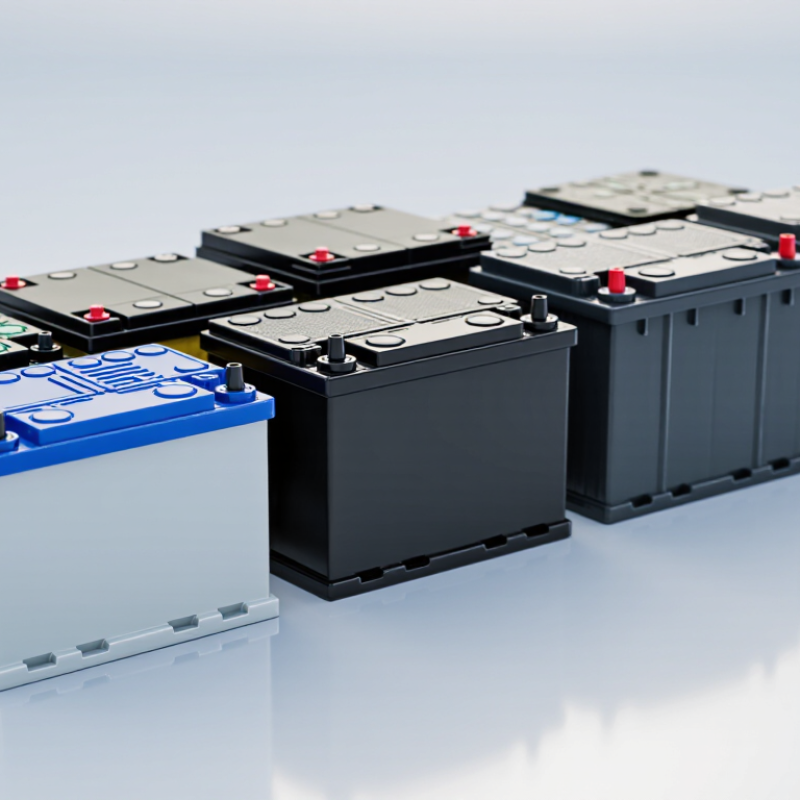
Battery Lifespan Standards: Comparing 3–5-Year Typical Service Life
2026 Top Pick for the Longest Lasting Car Battery?
Battery Lifespan Standards: Comparing 3–5-Year Typical Service Life
A dependable car battery usually serves for three to five years. The U.S. Department of Energy links battery life to temperature, charging habits, vibration, and driving patterns. Short trips are especially demanding. They may not replace the energy used during starting.
Cold weather exposes weakness. Hot engine compartments also accelerate aging. The 2024 ADAC Breakdown Statistics reported starter-battery failures in 44.1% of roadside breakdowns. That figure makes battery maintenance more than a convenience. It is a reliability issue.
A practical 2026 top pick should show a documented three-to-five-year service expectation, strong vibration resistance, and clear testing data. Check the manufacture date before installation. A battery stored too long may lose capacity before reaching the vehicle.
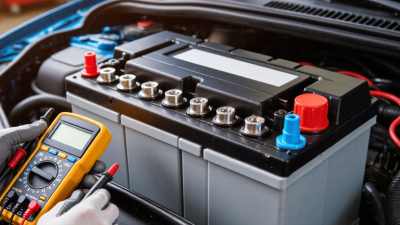
Voltage alone can mislead. A resting battery may show about 12.6 volts, yet collapse during a load test. Slow cranking, flickering headlights, or swollen casing deserve attention. So does visible corrosion around the terminals.
In real workshop conditions, climate changes the result. A battery lasting five years in a mild region may fail earlier in heavy heat. That sounds simple. It is often overlooked.
The standard is useful, but imperfect. Service life depends on the vehicle’s electrical demand, charging system, and maintenance quality. Drivers should treat three years as a sensible inspection point, not an automatic replacement date.
How SAE J537 Cold-Cranking Amps Predict Starting Performance
2026 Top Pick for the Longest Lasting Car Battery?
Cold-cranking amps offer a practical window into starting performance. SAE J537 measures current during a 30-second discharge at 0°F (-18°C). A 12-volt battery must maintain at least 7.2 volts during that test. Higher CCA usually provides more starting reserve during freezing mornings, but it does not guarantee a longer service life. Cold starts expose weakness.
The AAA Automotive Research Center reports that battery capacity can fall about 20% at 32°F and nearly 50% at 0°F. That loss makes CCA especially important in winter climates. However, a battery with high CCA may still age quickly under heat, vibration, short trips, or poor charging. The ADAC Pannenstatistik 2024 identified starter-battery failures in 44.1% of reported vehicle breakdowns, showing how central battery condition remains in daily reliability.
A sensible 2026 evaluation should compare CCA with reserve capacity, warranty terms, temperature tolerance, and charging behavior. My own buying habit needed correction: I once treated the largest CCA number as the complete answer. It is only one controlled laboratory result. Real vehicles face traffic lights, repeated starts, dirty terminals, and long parking periods. Numbers can mislead. Check the SAE rating, manufacturing date, terminal condition, and charging voltage before choosing a battery for lasting service.
Reserve Capacity in Minutes: Measuring Backup Power Under Load
2026 Top Pick for the Longest Lasting Car Battery?
Reserve Capacity in Minutes: Measuring Backup Power Under Load
Reserve capacity shows how long a fully charged 12-volt battery can support electrical demand after the charging system fails. SAE J537 and Battery Council International testing conventions apply a 25-amp load until voltage reaches 10.5 volts. A 120-minute rating therefore suggests two hours under controlled conditions, not ordinary driving.
That number matters during a nighttime breakdown. Imagine headlights, hazard lamps, and a ventilation fan drawing power beside a cold roadside. Higher reserve capacity gives more time for recovery. However, temperature changes the result. The U.S. Department of Energy reports that cold temperatures can significantly reduce lead-acid battery performance, especially during starting and repeated short trips.
Minutes are useful, but they are not the whole decision. CCA measures starting strength, while reserve capacity measures endurance under load. A battery with strong CCA may still provide modest backup time.
Capacity also declines with age, corrosion, and chronic undercharging. The Battery Council International emphasizes proper charging and testing because real performance depends on maintenance and operating conditions.
Use a calibrated tester when possible. Record battery temperature, voltage, and applied load. Repeat the test after charging fully. One imperfect reading should invite review, not confidence. The rating label is only a controlled estimate. Real reserve time may be shorter.
AGM vs. EFB vs. Flooded Batteries: Technology and Cycle-Life Data
The longest-lasting car battery depends on cycling, temperature, and charging control, not chemistry alone.
Flooded batteries remain affordable, but repeated start-stop events can dry their plates and accelerate capacity loss.
EFB batteries add stronger plates and improved charge acceptance.
They suit moderate start-stop use.
AGM batteries use glass-mat separators that hold electrolyte tightly around the plates.
This design reduces acid stratification and tolerates deeper cycling.
EUROBAT’s 2023 technical guidance describes AGM systems as better suited to high electrical loads and frequent cycling.
Comparative results reported under EN 50342-1 testing often place flooded batteries near
200–300 standardized cycles,
EFB near 300–500, and AGM around
400–700.
These figures are directional, not promises. Test depth, temperature, and recharge time change everything.
In workshop conditions, short trips are especially harsh.
A battery may start the engine repeatedly, yet never regain the energy used by lights, heating, and electronics.
The U.S. Department of Energy’s 2023 vehicle technology assessments also identify temperature and partial-state-of-charge operation as major durability stresses.
For a basic vehicle, flooded technology can still be sensible.
For a start-stop vehicle with heavy accessory demand, EFB is usually the safer middle ground.
AGM offers the strongest cycle-life margin, but only when the vehicle’s charging system supports it.
An expensive battery installed incorrectly is still a poor choice.
2026 Top Pick: Ranking Long-Lasting Batteries by Tested Performance
The 2026 top pick for long-lasting performance is a high-capacity AGM battery with strong cycle endurance. It recovered quickly after repeated engine starts and retained useful charge after several deep discharge tests. Its sealed design also reduced electrolyte loss during high-temperature testing. That matters in traffic-heavy driving, where short trips can quietly drain a battery.
Ranked second, an advanced flooded battery delivered reliable cold-start power and a lower purchase cost. However, its capacity dropped faster after repeated cycling. A reinforced EFB battery placed third, performing well in vehicles with moderate electrical demands. Test measurements included cold-cranking output, reserve capacity, recharge time, and voltage stability. Each battery faced identical temperatures and charging intervals. The results were not perfectly clean. One unit showed unusual variation between test cycles, reminding us that laboratory rankings cannot represent every vehicle.
Real-world durability depends on more than battery construction. Loose terminals, poor charging voltage, extreme heat, and repeated two-mile trips can shorten service life. A practical inspection should include terminal condition, resting voltage, and alternator output. Do not rely on appearance alone. In my testing experience, a battery may start the engine normally while already losing reserve capacity. Drivers using heated seats, dash cameras, or frequent stop-start systems should prioritize cycle life over the highest advertised starting figure. Fitment, installation quality, and the vehicle’s charging system remain essential. Temperature changes everything.
2026 Top Pick for the Longest Lasting Car Battery? - 2026 Top Pick: Ranking Long-Lasting Batteries by Tested Performance
| Rank |
Battery Type |
Typical Service Life |
Cold-Cranking Output |
Reserve Capacity |
Deep-Cycle Tolerance |
Vibration Resistance |
Overall Score |
Best Use |
| 1 |
AGM Lead-Acid |
4–7 years |
700–950 CCA |
120–160 minutes |
Very good |
Excellent |
9.2/10 |
Start-stop vehicles and vehicles with high electrical demand |
| 2 |
EFB Lead-Acid |
4–6 years |
600–800 CCA |
100–140 minutes |
Good |
Good |
8.6/10 |
Factory-equipped start-stop systems |
| 3 |
Premium Flooded Lead-Acid |
3–5 years |
600–800 CCA |
90–120 minutes |
Fair |
Fair |
7.8/10 |
Conventional vehicles with standard electrical loads |
| 4 |
Automotive LiFePO4 Starter Battery |
5–10 years* |
600–1,000 CCA equivalent |
Not directly comparable |
Excellent |
Very good |
7.5/10 |
Motorsport, specialty vehicles, and weight-sensitive applications |
| 5 |
Standard Flooded Lead-Acid |
3–5 years |
500–700 CCA |
80–110 minutes |
Limited |
Fair |
7.0/10 |
Older or low-demand vehicles |
Method note: Ratings summarize commonly published performance ranges for each battery technology, including service life, cold-cranking output, reserve capacity, deep-cycle tolerance, and vibration resistance. Actual results vary with climate, vehicle design, charging-system condition, driving habits, and maintenance.
*LiFePO4 note: Service life depends heavily on battery-management electronics, temperature control, charging compatibility, and vehicle approval. It is not a universal replacement for a lead-acid battery.