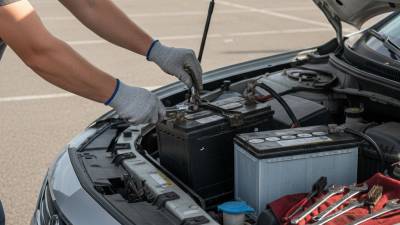
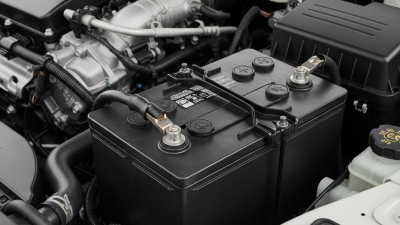
Choosing the right automotive battery is not a matter of picking the largest unit on the shelf. It must fit your vehicle’s specifications, electrical demands, and charging system. A battery that looks correct may still have the wrong group size, terminal layout, or chemistry. Check the owner’s manual and the label on your current battery before comparing options. Small details matter.
Battery engineer John B. Goodenough is widely known for his work on rechargeable battery technology, but I cannot verify a direct quote from him about choosing a car battery. Rather than put invented words in an expert’s mouth, this guide uses a practical principle: match the battery to the vehicle, not just the price tag. That means checking cold-cranking amps for your climate, reserve capacity for electrical loads, and whether the vehicle requires an AGM battery. Stop and verify the specifications if you are unsure.
The sections ahead explain battery types, fitment, performance ratings, climate considerations, and signs of a failing battery. They also cover questions worth asking before purchase and simple checks that help prevent a mismatch. A quick glance under the hood can reveal corrosion, a loose hold-down, or cramped terminal access. Yet appearance alone cannot tell you how much useful life remains. Battery testing helps, though even a test is only a snapshot. The right choice depends on both the manufacturer’s requirements and how you actually drive.
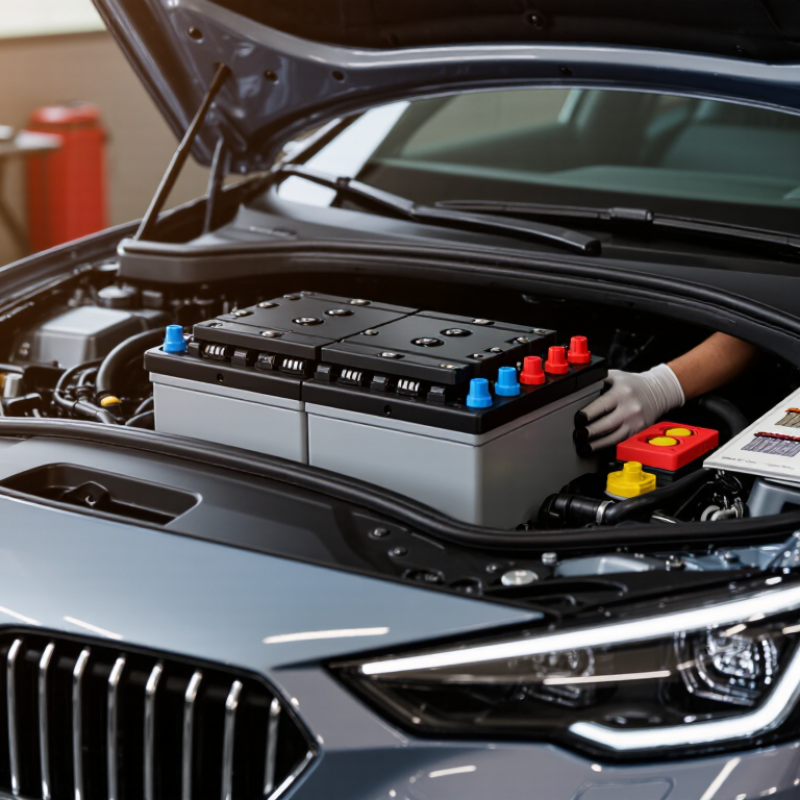
An automotive battery is more than a box that starts the engine. It supplies the brief surge of current needed to turn the starter, then supports lights, control modules, and other electrical systems when the engine is off. Once running, the alternator supplies most electrical power and recharges the battery. A weak battery can still show a reasonable resting voltage, yet struggle under load, especially on a cold morning. That is why voltage alone does not tell the whole story; a proper load or conductance test gives a clearer picture.
Battery choice affects how reliably these jobs get done. Match the vehicle’s specified group size, terminal layout, and cold-cranking amperage, then check whether it requires a conventional flooded or an absorbed glass mat battery. A higher rating is not automatically better if the battery does not fit or suit the charging system. The Battery Council International’s 2023 National Recycling Rate Study reported a 99% recycling rate for lead batteries in the United States, underscoring their established recovery infrastructure. Still, a battery’s service life depends on climate, driving patterns, and charging condition. I’ve seen short trips quietly wear one down; it’s easy to overlook.
Tips: Check the owner’s manual and the label on the existing battery before buying. Ask for a tested state-of-health reading, not just a voltage check. Keep terminals clean, and investigate slow cranking rather than waiting for a no-start.

Before choosing a replacement battery, check your owner’s manual and the label on the battery already installed. The manual lists the approved size, capacity range, and starting requirements. Do not rely on appearance alone. Two batteries can look nearly identical yet have different terminal positions or mounting dimensions. A reversed terminal layout can leave cables stretched or unable to reach.
Pay attention to cold-cranking amps (CCA), reserve capacity, and battery chemistry. CCA describes starting power in cold conditions; reserve capacity indicates how long the battery can supply power if the charging system fails. A higher number is not automatically the right choice. Vehicles with start-stop systems may require a specific battery type, such as AGM or EFB. Fitting a different type can affect charging performance. Check the vehicle specifications rather than guessing from the old battery’s age or price.
Measure carefully. Check length, width, height, terminal orientation, and hold-down style. Also confirm whether the vehicle needs battery registration or settings reset after replacement; some models do. I have seen small details cause big delays. A handwritten note from a previous owner may help, but it is not proof of the correct specification. When the manual and installed battery disagree, ask a qualified technician to verify the vehicle’s requirements before buying.
Choosing the right battery starts with the type your vehicle requires. Conventional flooded lead-acid batteries are widely used and often cost less. They need secure mounting and may require more attention to fluid levels. Absorbent glass mat batteries hold electrolyte in a fiberglass mat. They suit many vehicles with stop-start systems or higher electrical demand, but cost more. Enhanced flooded batteries sit between these options. Check the owner’s manual before comparing prices.
Specifications matter as much as battery type. Match the required group size so the battery fits the tray and its terminals align correctly. Cold-cranking amps indicate starting power in cold weather; reserve capacity estimates how long the battery can support electrical loads if charging stops. Neither number tells the whole story. A larger rating is not automatically a better fit. I once saw a battery with impressive figures that still had the wrong terminal layout.
Also compare the stated voltage, warranty terms, and date of manufacture. A fresh battery stored properly is generally a safer choice than one that has sat for a long time. If your vehicle has a battery-monitoring system, replacement may require registration or recalibration; verify the procedure in the service information. Small details count. Don’t guess.
Typical cycle life varies by design, temperature, charging conditions, and depth of discharge. Lead-acid batteries are commonly rated for a few hundred cycles, while LiFePO₄ batteries can offer thousands. Check your vehicle’s fitment and charging-system compatibility before choosing a battery.
Choosing a battery starts with the space under your hood, not the price tag. Check the owner’s manual for the required battery group size, voltage, and terminal layout. Measure the tray if the old battery seems unusual. A battery that is slightly too tall can press against the hood; one that is too small may shift over rough roads. Check cable reach and hold-down points, too. A snug fit matters.
Then compare performance requirements. Cold-cranking amps indicate starting ability in low temperatures, while reserve capacity describes how long the battery can support electrical loads if the charging system falters. Match the vehicle maker’s recommendations rather than choosing the highest number available. Some vehicles also require a specific battery chemistry, especially when equipped with start-stop systems or battery-management sensors. Replacing one type with another may require system registration or charging adjustments. Easy to overlook.
Climate changes what “suitable” means. In freezing weather, adequate cold-cranking performance helps the engine turn over; in hot regions, heat can shorten battery life and increase fluid loss in serviceable designs. Consider your usual conditions, not just today’s forecast. I once focused on size and missed the terminal orientation; the cables barely reached. That was my mistake. If specifications conflict or remain unclear, ask a qualified technician to check the vehicle’s requirements before purchase.
| Selection factor | What to check | Practical guidance | Why it matters |
|---|---|---|---|
| Vehicle fit and group size | Battery group size, case dimensions, hold-down design, and terminal position. | Check the owner’s manual or the vehicle’s battery-fit specification. Match the specified size and terminal layout; do not rely on appearance alone. | A battery that is too large, too small, or incorrectly oriented may not secure properly, connect safely, or clear nearby components. |
| Battery chemistry | Flooded lead-acid, AGM (absorbed glass mat), or another type specified for the vehicle. | Use the chemistry required or approved by the vehicle manufacturer. Vehicles with start-stop systems may require an AGM or enhanced flooded battery, depending on the specification. | Charging systems and battery-management systems are designed for particular battery types; an unsuitable type may not charge or perform as intended. |
| Cold-cranking amps (CCA) | The CCA rating and the test standard used on the battery label. | Meet or exceed the vehicle’s specified minimum CCA. In colder regions, adequate CCA is especially important; compare ratings measured using the same standard. | CCA indicates a battery’s ability to deliver starting current under cold-test conditions. Cold weather also makes engines harder to start and reduces available battery output. |
| Reserve capacity (RC) | Reserve capacity in minutes, if listed, and the vehicle’s recommended rating. | Choose a battery that meets the vehicle specification. Consider the vehicle’s electrical load and driving conditions, but do not substitute a higher RC for correct fit or chemistry. | RC estimates how long a fully charged battery can supply a defined load before reaching a specified voltage under a standardized test. |
| Hot-climate suitability | Vehicle-approved battery type, installation location, heat shielding, and maintenance requirements. | Follow the vehicle’s specification and keep the battery securely mounted. Have the charging system checked if the battery is exposed to high under-hood temperatures or repeatedly fails. | High temperatures can accelerate battery aging and water loss in serviceable flooded batteries. Heat resistance does not remove the need for correct fit and charging. |
| Start-stop and electrical features | Start-stop operation, battery sensors, battery-management system, and any required registration or reset procedure. | Check the service information for the exact replacement type and installation procedure. Some vehicles require the new battery to be registered or the battery-management system to be reset. | The vehicle may adjust charging based on battery condition and type; skipping a required reset or registration can affect charging and battery life. |
| Terminal layout and safety | Positive and negative terminal positions, connector type, venting, and cable reach. | Confirm polarity and cable reach before installation. Use the specified vent connection where applicable, and avoid forcing cables or allowing terminals to contact metal parts. | Incorrect polarity or poor connections can cause electrical damage, while an unsecured or improperly vented battery can create safety risks. |
| Final compatibility check | Vehicle year, make, model, engine, installed options, and the battery specification in the owner’s manual or service data. | Verify the complete specification before purchase. If the vehicle has been modified or the fitment is uncertain, consult a qualified technician. | Battery requirements can differ between engines, model years, and equipment levels, even within the same vehicle model. |
Note: Vehicle manufacturer specifications take priority over general guidance. Always confirm fit, chemistry, and electrical ratings for the exact vehicle configuration.
A suitable battery should match your vehicle’s required group size, terminal layout, and cold-cranking rating. Check the owner’s manual or the label on the existing battery before comparing options. Quality is not just a high starting rating. Look for clear specifications, a recent manufacturing date, and sturdy, corrosion-resistant terminals. A battery can look solid on the shelf and still be the wrong fit.
Warranty terms deserve a careful read. Compare the free-replacement period with any prorated coverage, and check what proof of purchase is required. Ask whether the warranty covers testing and labor; terms vary. A longer warranty may be useful, but it does not guarantee longer service life. Heat, frequent short trips, and long periods of inactivity can all shorten battery life. I once assumed a lightly used car would preserve its battery. It didn’t.
Tips: Keep terminals clean and firmly connected. Have the charging system tested if starting becomes slow, especially after cold mornings. If the vehicle sits for weeks, consider a compatible maintainer and follow its instructions. Don’t ignore small warning signs. A dim cabin light can have other causes, so test before replacing the battery.