What Type of Battery Does a VW Amarok Use?
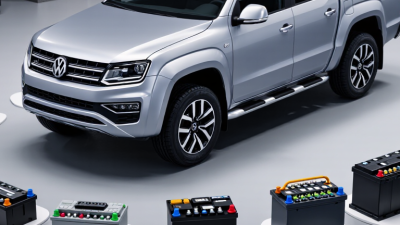
A VW Amarok does not have one universal battery specification. The correct choice can change with model year, engine, market, and start-stop equipment. Some versions use a conventional 12-volt lead-acid battery; others may require EFB or AGM technology. Check the vehicle before buying.
That detail matters. An AGM battery is not automatically an upgrade, and a similar-looking case may have different terminal positions or hold-down points. Volkswagen’s vehicle-specific owner documentation is the key reference for the original specification. SAE J537, an industry standard for starting, lighting, and ignition batteries, provides a professional basis for understanding battery performance tests. Battery Council International’s technical resources also explain lead-battery construction and use. These sources help frame the choice, but they cannot replace the label on your Amarok’s existing battery or a VIN-specific parts check.
For the right vw amarok battery, compare chemistry, voltage, amp-hour capacity, cold-cranking amps, dimensions, and polarity. If the truck has battery-management or start-stop functions, ask a qualified parts specialist whether installation requires registration or coding. Small differences count. A battery can fit the tray and still be unsuitable. I would verify the handbook and battery label together; relying on a year-only search is convenient, but not always dependable. This guide explains what to check before you order, and why the exact Amarok version matters.
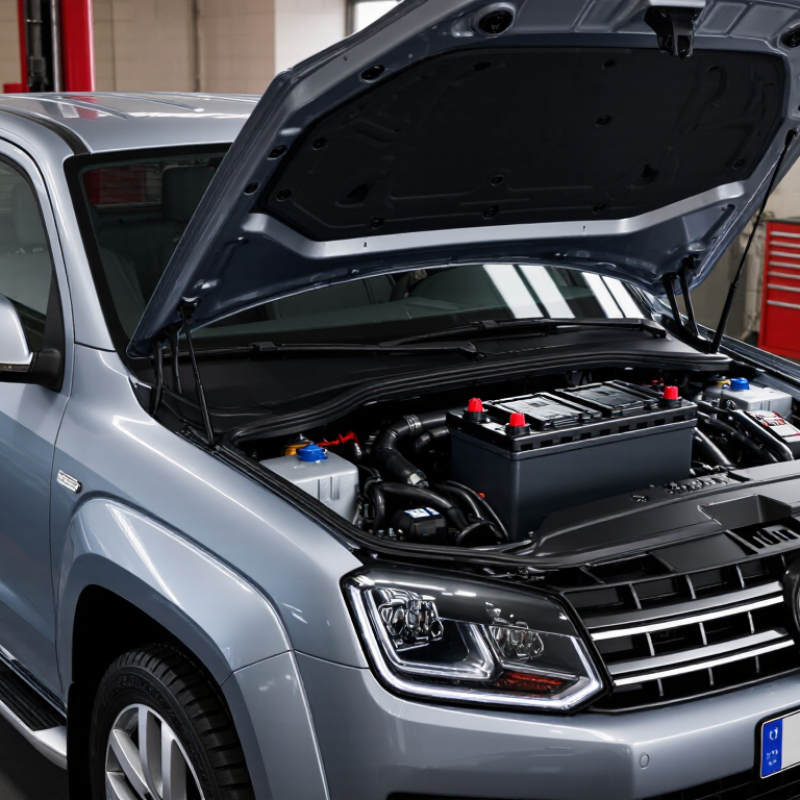
VW Amarok Battery Types by Model Year and Engine
Battery choice for an Amarok depends on model year, engine, and equipment, not just the nameplate. Earlier versions with conventional charging systems may use a standard flooded lead-acid battery. Diesel engines generally need strong cold-cranking performance, especially after a cold night.
Diesels need more.
Check the original battery label for capacity, cold-cranking amps, dimensions, and terminal layout before buying.
Later model years and vehicles with stop-start systems may require an AGM battery, designed to handle frequent starting and repeated charge cycles. Some versions may use enhanced flooded batteries instead, so the year alone can mislead. Engine size, transmission, climate, and optional electrical equipment can also change the specification.
A battery that fits the tray may still have the wrong polarity or insufficient capacity.
Small detail, big trouble.
When replacing the battery, match its technology and ratings to the vehicle’s requirements; do not assume AGM is automatically an upgrade. If the label is unreadable, confirm the specification using the vehicle identification details or a reliable parts reference. After installation, some vehicles may need battery monitoring or charging-system settings checked.
Common Battery Chemistries Used in the Amarok
Battery chemistry in this pickup varies by model year, engine, and electrical equipment. Many versions use a 12-volt lead-acid battery. A conventional flooded battery contains liquid electrolyte and can suit vehicles with standard starting and charging demands. It is a familiar option, but repeated deep discharges may shorten its service life.
Some configurations use an enhanced flooded battery, or EFB, especially where frequent stop-start cycles increase the load. An absorbed glass mat battery, or AGM, holds electrolyte in a glass-fibre mat and is designed for heavier cycling and electrical demand. That distinction matters. These types are not automatically interchangeable, even when their cases look similar. A quick guess can be wrong.
Before replacing the battery, check the vehicle’s handbook and the label on the installed unit. Match its chemistry, capacity, cold-cranking rating, dimensions, and terminal layout. Charging requirements matter too: a battery with the wrong specifications may perform poorly or wear out early. Avoid assuming a lithium replacement will work without explicit approval for the vehicle’s charging system. If the original battery type is unclear, confirm the exact fitment using the vehicle identification details or a qualified technician.
Battery Capacity, Voltage, and Cold-Cranking Ratings
A VW Amarok generally uses a 12-volt starter battery, but its capacity is not identical across every year and engine. Many versions use batteries around 70–100 Ah; diesel engines and vehicles with start-stop systems may need a higher specification. Check the battery label and owner’s manual before choosing. Small differences matter.
Amp-hours describe stored capacity, while cold-cranking amps (CCA) indicate starting power in cold conditions. A diesel vehicle may need a stronger CCA rating, especially when parked outdoors in winter. For example, a battery rated at 800 CCA may suit one configuration, but that number is not universal. Match or exceed the vehicle’s specified rating, and confirm the measurement standard shown on the label.
Physical fit matters too. Compare the case dimensions, terminal positions, and hold-down shape with the original battery. If the replacement has the wrong layout, cables may not reach safely. I would not choose by capacity alone; it is an easy detail to overlook. Check whether the vehicle requires a battery registration or monitoring-system reset after replacement. When specifications conflict, the vehicle handbook or a qualified technician is the more reliable reference.
What Type of Battery Does a VW Amarok Use? - Battery Capacity, Voltage, and Cold-Cranking Ratings
| Amarok configuration |
System voltage |
Typical capacity |
Typical cold-cranking rating |
Common battery type |
Fitment notes |
| First generation, 2.0-litre diesel, without start-stop |
12 V |
Approximately 70–80 Ah |
Approximately 640–780 A (EN) |
Conventional lead-acid |
Capacity and terminal layout can vary with model year, engine, and market. |
| First generation, 2.0-litre diesel, with start-stop |
12 V |
Approximately 75–80 Ah |
Approximately 720–800 A (EN) |
EFB or AGM, according to original fitment |
Use the same battery technology specified for the vehicle’s start-stop system. |
| First generation, 3.0-litre V6 diesel |
12 V |
Approximately 80–95 Ah |
Approximately 760–850 A (EN) |
Lead-acid or AGM, depending on equipment |
The larger engine and equipment level may require a higher-capacity battery. |
| Second generation, 2.0- or 3.0-litre diesel |
12 V |
Approximately 80–95 Ah |
Approximately 760–850 A (EN) |
EFB or AGM, depending on original specification |
Confirm the required battery type and dimensions using the vehicle’s year and market specification. |
| General replacement guidance |
12 V |
Match the original rating; commonly within 70–95 Ah |
Meet or exceed the original EN rating |
Match the factory-fitted technology |
Check the owner’s manual or existing battery label for capacity, CCA, dimensions, polarity, and any battery-registration requirements. |
|
Figures are typical ranges, not a universal specification. Battery requirements vary by model year, engine, market, and equipment. The vehicle’s original battery label or official service information should be used to confirm the correct replacement.
|
How to Check the Battery Fitted to Your Amarok
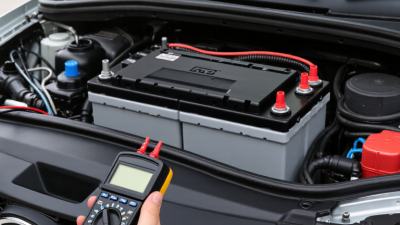
To check the battery fitted to your Amarok, start with the battery label, not an online guess based only on model year. Engine, market, and stop-start equipment can change the required specification. Record the battery technology, voltage, capacity in amp-hours (Ah), and cold-cranking current (CCA). Check the case dimensions and terminal positions too. Small details matter.
Look for AGM or EFB markings, especially if the vehicle has stop-start functionality. A replacement with the wrong technology may not charge correctly. The 2024 German roadside-assistance breakdown report attributed about 44% of call-outs to starter-battery problems, showing why condition checks matter. With the engine off, inspect for a loose clamp, corrosion, swelling, or a cracked case. Don’t rely on appearance alone.
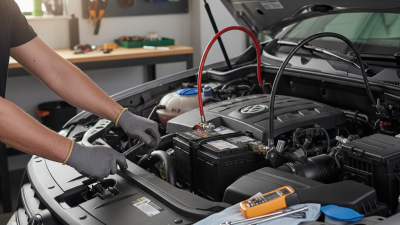
A workshop conductance test can assess starting performance and battery health. I still double-check the label; memory is not a specification. If it is missing or unreadable, use the vehicle handbook or have a technician confirm the required type and rating before buying.
Choosing a Compatible Replacement Battery
An Amarok’s compatible replacement battery depends on its model year, engine, and electrical equipment. There is no single size that fits every version. Check the existing battery label for its voltage, amp-hour rating, cold-cranking amps, and case dimensions. Then compare those details with the vehicle handbook. A battery can fit the tray but still have the wrong terminal layout or insufficient starting power. That mismatch is easy to overlook.
Tips: Match the original battery technology, especially if the vehicle has stop-start. Some versions require an AGM or EFB battery; replacing one with a basic flooded type may shorten its service life. Confirm the positive and negative terminal positions before buying. Check twice.
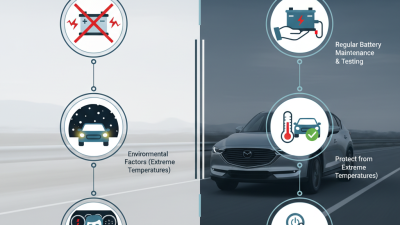
Also inspect how the battery is secured and whether the hold-down bracket fits the replacement case. In cold weather, adequate cold-cranking amps matter; for frequent short trips, a suitable capacity helps support electrical demands. If the label is unreadable, ask a qualified technician to identify the correct specification using the vehicle’s year and engine details. I would not rely on appearance alone. Even batteries with similar dimensions can differ in performance, and guessing can lead to poor starting or charging issues.
What Type of Battery Does a VW Amarok Use? — Choosing a Compatible Replacement
Most Amarok models use a 12-volt starter battery, but the correct replacement depends on the model year, engine, equipment and whether the vehicle has a start-stop system. This chart shows approximate resting voltage for a typical lead-acid battery; it is not a fitment guide. Check the vehicle handbook or the existing battery label for the required size, capacity, cold-cranking rating and battery type.