Top Tips for Finding the Best Good Car Battery for Your Vehicle Needs
When it comes to maintaining your vehicle, selecting a good car battery is paramount. With the vast array of options available today, finding a battery that meets both your performance and budget requirements can be overwhelming. According to John Franklin, an automotive expert with over 15 years of experience in the field, “A good car battery is not just about power; it’s about reliability and longevity.” His words highlight the critical attributes one should consider when evaluating different batteries for your vehicle's specific needs.
Understanding the importance of a good car battery goes beyond mere convenience; it directly affects your vehicle's performance, fuel efficiency, and even the safety of your driving experience. Selecting the right battery can make a significant difference in how well your vehicle operates, particularly in extreme weather conditions. This article aims to provide you with top tips for identifying the best good car battery that aligns seamlessly with your vehicle’s requirements, ensuring you hit the road with confidence and assurance.
Understanding Your Vehicle's Battery Requirements
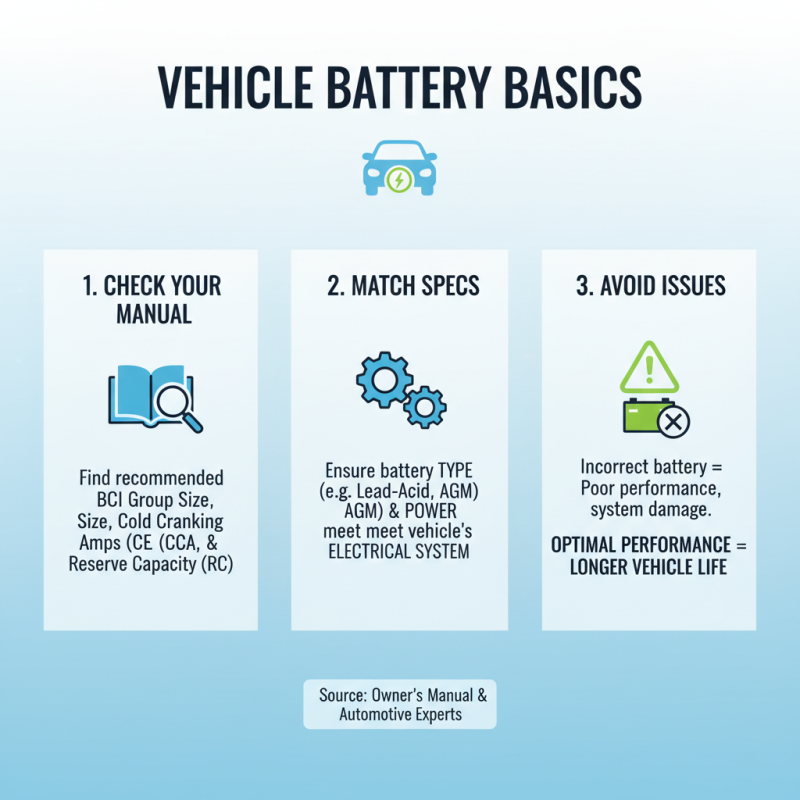
Understanding your vehicle's battery requirements is crucial for maintaining optimal performance. Different vehicles have specific power needs based on their electrical systems and engine types. Start by checking your owner's manual, which typically contains detailed information about the recommended battery type, including size, capacity, and specifications. It is essential to match these requirements to ensure compatibility, as using the wrong battery can lead to performance issues or even damage to your vehicle.
When searching for the right battery, consider a few key tips. First, look for batteries with a high cold cranking amperage (CCA) rating, as this indicates the battery's ability to start your engine in cold conditions. Additionally, pay attention to the reserve capacity (RC), which reflects the battery's ability to power your vehicle’s electrical systems when the engine is off. Lastly, take note of the warranty offered; a longer warranty often signifies a higher quality battery. By keeping these factors in mind, you can make a more informed decision and select a battery that meets your vehicle's specific needs.
Types of Car Batteries: Choosing the Right Type for Your Vehicle
When selecting the right type of car battery for your vehicle, it's crucial to understand the various types available in the market. The two most common types are lead-acid batteries, including traditional flooded and absorbed glass mat (AGM) batteries, and lithium-ion batteries. Lead-acid batteries are typically more affordable and provide reliable performance for standard vehicles. According to the Battery Council International, as of 2022, approximately 70% of vehicles on the road in the U.S. still rely on lead-acid technology, making it the primary choice for many drivers.
On the other hand, AGM batteries are designed for vehicles with higher electrical demands, such as those with advanced infotainment systems or start-stop technology. Their design allows for better resistance to vibration and a lower likelihood of spills, making them a preferred choice for luxury vehicles. The global automotive battery market, as reported by MarketsandMarkets, is expected to grow significantly, driven by the increasing adoption of electric vehicles and innovations in battery technology. Understanding these distinctions helps consumers make informed decisions, ensuring that their battery choice aligns with their vehicle's specific requirements and performance demands.
Top Tips for Finding the Best Good Car Battery for Your Vehicle Needs - Types of Car Batteries: Choosing the Right Type for Your Vehicle
| Battery Type |
Typical Use |
Lifespan (Years) |
Cost Range ($) |
Maintenance Requirement |
| Lead-Acid |
Standard gas vehicles |
3-5 |
50-120 |
Requires periodic maintenance |
| AGM (Absorbent Glass Mat) |
Luxury vehicles, start-stop systems |
4-8 |
100-250 |
Low maintenance |
| Lithium-Ion |
Electric and hybrid vehicles |
8-15 |
300-700 |
Minimal maintenance |
| Gel |
Off-road vehicles and deep cycle applications |
3-5 |
80-150 |
Requires some maintenance |
| Flooded (Wet Cell) |
Common in older vehicles |
2-5 |
70-130 |
Regular maintenance needed |
Evaluating Battery Brands: Key Factors for Quality Assurance
When evaluating battery brands for your automotive needs, it's essential to consider several key factors that ensure quality assurance. First, focus on the materials and technology used in the battery construction. High-quality batteries typically incorporate advanced lead-acid or lithium-ion technologies, ensuring longer lifespan and better performance. Look for specifications such as cold cranking amps (CCA) and reserve capacity, as they indicate the battery's ability to start your vehicle in various conditions and provide power when needed.
Another crucial aspect is the manufacturer's reputation and warranty offerings. A brand with a strong reputation often reflects consistent quality and customer satisfaction. Additionally, generous warranty terms can indicate the manufacturer's confidence in their product's durability. Thoroughly researching consumer reviews can also provide insights into user experiences and reliability over time. Finally, consider the customer service provided by battery brands, as prompt and effective support can make a significant difference in case of issues arising post-purchase.
Battery Size and Specifications: Ensuring a Perfect Fit
When it comes to selecting the best car battery, understanding battery size and specifications is crucial for ensuring a perfect fit for your vehicle. Each make and model requires batteries that meet specific dimensions, terminal configurations, and power output. Start by consulting your vehicle’s owner manual to identify the correct group size and specifications required. This information will help you avoid the hassle of purchasing a battery that cannot be installed due to size discrepancies.
In addition to physical dimensions, it's essential to consider the battery's specifications such as cold cranking amps (CCA) and reserve capacity (RC). CCA relates to the battery's ability to start the vehicle in cold temperatures, while RC indicates how long the battery can run on its own power without the engine. Make sure the chosen battery meets or exceeds the specifications required for your vehicle's performance needs. Taking the time to properly assess these dimensions and specifications will ensure you invest in a battery that fits seamlessly and functions optimally within your vehicle.
Maintenance Tips for Prolonging Battery Life and Performance
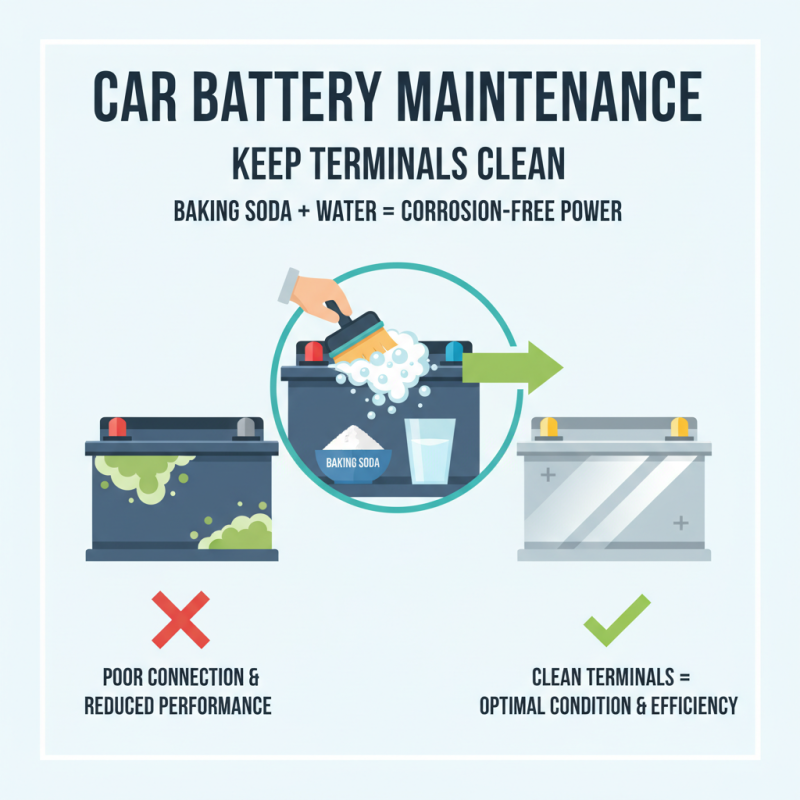
To ensure your car battery remains in optimal condition, regular maintenance is crucial. One of the simplest yet most effective practices is to keep the battery terminals clean and free from corrosion. Over time, build-up can occur, leading to poor connection and reduced performance. Using a mixture of baking soda and water can help gently scrub the terminals, maintaining a solid connection and enhancing the battery’s efficiency.
Another important tip is to regularly check the fluid levels, especially in conventional lead-acid batteries. If the fluid is low, topping it up with distilled water can prevent damage and prolong the battery's lifespan. Additionally, it’s advisable to perform battery tests periodically, especially before long trips or changes in the weather. Many auto parts stores offer free testing services to assess the battery's health, ensuring it's capable of holding a charge effectively. Implementing these maintenance practices not only helps in sustaining battery performance but also provides peace of mind on the road.