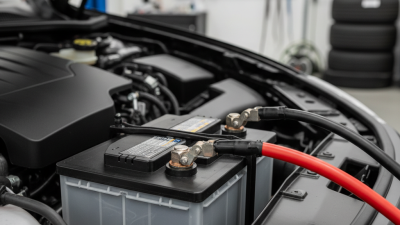
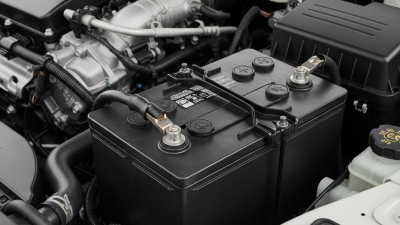
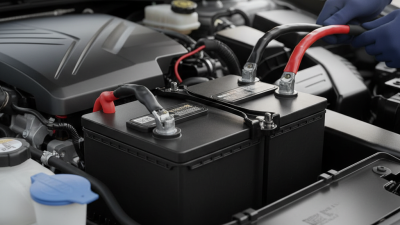
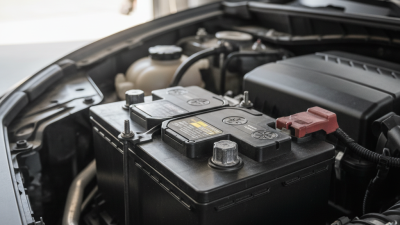
Understanding different car battery types is essential for any vehicle owner. According to automotive expert John Petro, "Choosing the right car battery can significantly affect vehicle performance." There are various batteries available, each with unique specifications and uses.
Car batteries are critical for starting your engine and powering electrical systems. Lead-acid, AGM, and lithium-ion batteries are common options. Each type has advantages and disadvantages. For instance, AGM batteries are maintenance-free but usually more expensive.
It's crucial to consider your vehicle's needs and your driving habits. Not every battery suits every car. Sometimes, selecting a battery based on price alone proves unwise. Neglecting to match specifications may lead to performance issues. A thoughtful choice can enhance longevity and efficiency, leading to a more reliable driving experience.
Car batteries play a crucial role in our vehicles. They provide the power needed to start the engine and run electrical systems. But not all car batteries are the same. Understanding the different types can help you make informed choices.
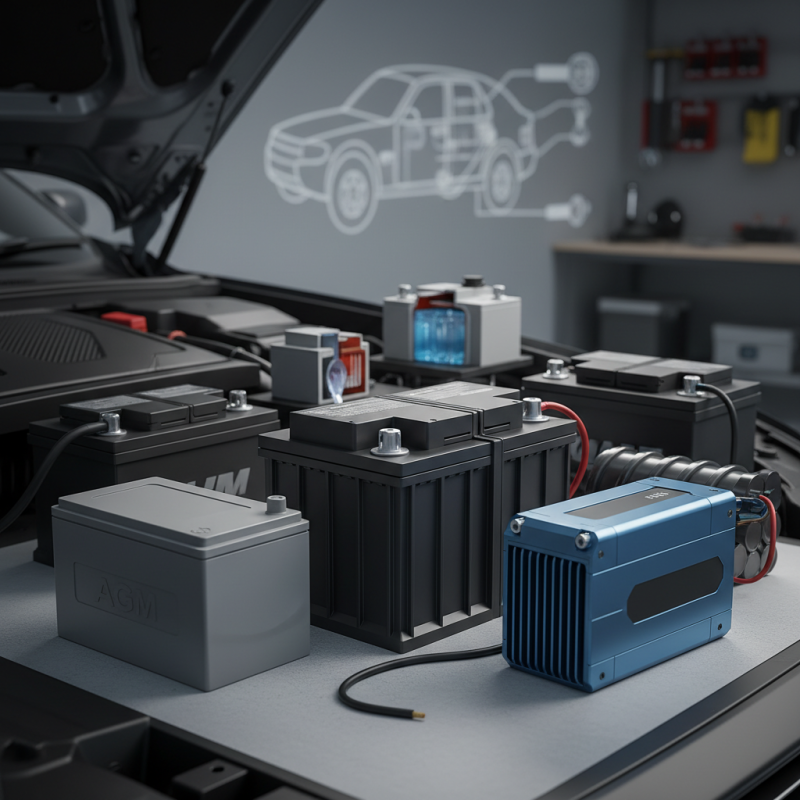
Lead-acid batteries are the most common. They are reliable and cost-effective. However, they can require maintenance and have a limited lifespan. Then, there are absorbed glass mat (AGM) batteries. These are more durable, often used in luxury vehicles. Yet, they come with a higher price tag. Lithium-ion batteries are also gaining attention. They’re lightweight and offer quick recharging. But they may not be suitable for every car.
Each type has its pros and cons. The performance in extreme temperatures can vary widely. Some people may think they know the best option, but it’s important to consider your specific needs. The choice of battery should match your driving habits and the vehicle type. It’s a key element that can affect your overall driving experience.

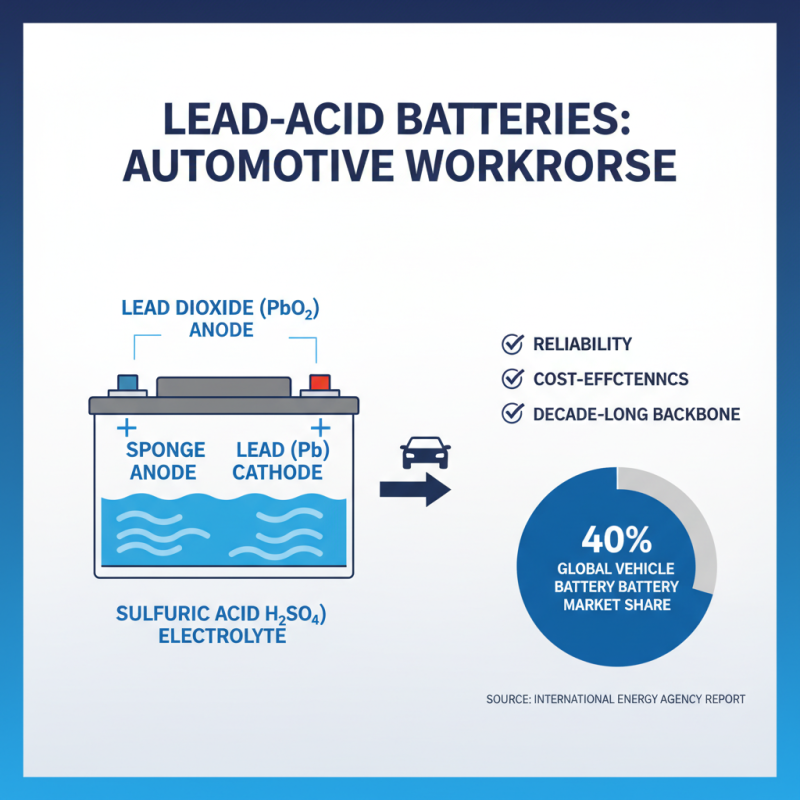
Lead-acid batteries have been the backbone of the automotive industry for decades. These batteries consist of lead dioxide and sponge lead, submerged in sulfuric acid. They are renowned for their reliability and cost-effectiveness. According to a report by the International Energy Agency, lead-acid batteries account for nearly 40% of the global battery market used in vehicles.
One primary advantage of lead-acid batteries is their ability to deliver high surge currents, crucial for engine starting. However, they are heavy and require regular maintenance. Over time, the performance drops due to sulfation, where lead sulfate crystals form on the battery plates. Reports show that maintaining proper charge levels can significantly extend battery life, yet many car owners neglect this aspect.
In terms of lifespan, lead-acid batteries typically last three to five years. More than 30% of drivers do not replace aging batteries on time. This oversight can lead to inconvenient breakdowns. Additionally, recycling rates for lead-acid batteries are impressive, exceeding 95%. However, the environmental impact of improper disposal remains a concern. Addressing these challenges is essential for a sustainable future in automotive energy storage.
AGM batteries, or Absorbent Glass Mat batteries, are a popular choice for automotive applications. These batteries are sealed and maintenance-free, making them appealing for many drivers. They boast high vibration resistance and deep cycle capabilities. This allows them to perform well in demanding environments. Industry reports show that AGM batteries can last up to three times longer than traditional lead-acid batteries. This durability makes them suitable for both everyday driving and recreational vehicles.
One notable advantage of AGM batteries is their ability to recharge quickly. They can handle multiple charge and discharge cycles efficiently. According to research from Battery University, AGM batteries have a charge efficiency of over 90%. This means less time waiting for your vehicle to be ready. Drivers looking for reliability in their batteries may find AGM technology a solid choice.
Tips: Always check the specifications of your vehicle before choosing a battery type. Not all vehicles are compatible with AGM batteries. Regularly monitor the battery’s health, even if it is maintenance-free. Lastly, handle AGM batteries with care; they can still be damaged by extreme temperatures.
This chart illustrates the advantages and common applications of different types of car batteries, focusing on AGM (Absorbent Glass Mat) batteries, alongside their competitors in the market.
Lithium-ion batteries have gained tremendous popularity in modern vehicles. Many manufacturers are shifting from traditional lead-acid batteries. This shift is mainly due to lithium-ion’s efficiency. These batteries offer a higher energy density, which means they can store more power in a smaller space. Their lightweight design also contributes to better vehicle performance.
One must consider the environmental impact as well. While lithium-ion batteries are more efficient, their production can be harmful. The mining of lithium and other materials can cause ecological damage. Moreover, there's the issue of battery disposal. Recycling lithium-ion batteries remains a challenge. Many car owners are not fully aware of these environmental concerns.
Charging times are another aspect to ponder. Although lithium-ion batteries charge faster, the infrastructure for rapid charging is still developing. Drivers may find themselves frustrated if charging stations are scarce. Overall, while lithium-ion batteries present clear advantages, one should also reflect on their potential drawbacks in the evolving automotive landscape.
| Battery Type | Voltage (V) | Capacity (Ah) | Weight (kg) | Advantages | Disadvantages |
|---|---|---|---|---|---|
| Lead-Acid | 12 | 40-100 | 15-30 | Low cost, widely available | Heavy, shorter lifespan |
| AGM (Absorbent Glass Mat) | 12 | 50-100 | 15-30 | Vibration resistant, maintenance-free | More expensive than lead-acid |
| Gel Cell | 12 | 40-100 | 15-30 | Non-spillable, long shelf life | Sensitive to overcharging |
| Lithium-Ion | 12-48 | 40-100 | 5-15 | Lightweight, fast charging | Costly, needs a specific management system |
| Nickel-Metal Hydride (NiMH) | 1.2 | 70-130 | 20-25 | Durable and reliable | Self-discharge rate is higher |
| SLA (Sealed Lead Acid) | 12 | 40-100 | 15-30 | Safety and reliability | Limited temperature range |
| EFB (Enhanced Flooded Battery) | 12 | 50-100 | 15-30 | Good for start-stop vehicles | Shorter lifespan than AGM |
| LIFePO4 (Lithium Iron Phosphate) | 12-48 | 100-200 | 10-20 | High thermal stability, long cycle life | Lower energy density |
| NiCd (Nickel-Cadmium) | 1.2 | 50-100 | 15-30 | Robust, can handle extreme temperatures | Toxic materials, memory effect |
| OCV (Open Circuit Voltage) | Variable | Dependent on the type | Varies | Easy to measure | Does not indicate state of charge |
When it comes to choosing the right battery for your vehicle, several factors come into play. The battery type must match your car’s needs. This helps ensure optimum performance and longevity. You have options like lead-acid, lithium-ion, and AGM batteries. Each one has its own strengths and weaknesses. It can be confusing, and mistakes can be costly.
Here’s a tip: Always check your owner’s manual for specifications. This will guide you on size and power requirements. A wrong choice can lead to poor performance or even safety issues. Consider your driving habits too. If you take short trips often, a deep-cycle battery might suit you better.
Another important point is maintenance. Some batteries need regular checks, while others are maintenance-free. Don’t overlook this aspect. It can affect battery life dramatically. One common mistake is ignoring corrosion on terminals. A quick clean can add years to a battery's life.
When in doubt, consult an expert. A small error can lead to bigger problems down the road. Being informed will ultimately save you money and ensure safety. Consider all aspects before making your final decision.