How to Replace a Dead Car Battery in Easy Steps?
Replacing a dead car battery can seem daunting. However, it is essential for keeping your vehicle running smoothly. According to John Smith, an automotive expert with over 20 years of experience, “Knowing how to replace a dead car battery can save you time and money.” His insight emphasizes the importance of being prepared.
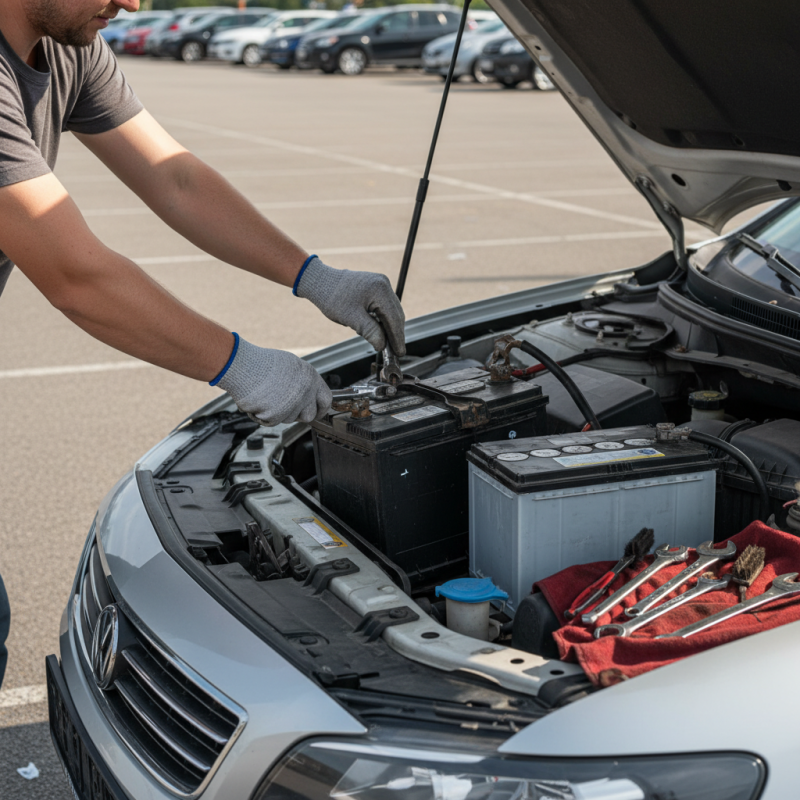
When your car won’t start, a dead battery is often the culprit. It can be frustrating, especially if you're on a tight schedule. You might find yourself in a parking lot with two thoughts: panic and disbelief. Gathering the right tools and understanding the process can alleviate some stress.
You may wonder if you can do it yourself. It is not always easy to replace a dead car battery. Mistakes can happen, like connecting the terminals incorrectly. Such errors can lead to further issues. However, with the right guidance and preparation, you can master this task. Stay calm and follow the steps carefully. It is an empowering experience once you complete the job successfully.
Understanding the Signs of a Dead Car Battery
A dead car battery can leave you stranded. Identifying the signs early can save you from inconvenience. Common indicators include dim headlights, slow engine cranking, and electrical issues like malfunctioning power windows. Industry data suggests that 25% of car breakdowns are battery-related. This statistic highlights the importance of battery maintenance.
Another warning sign is an abnormal battery smell. If you notice a rotten eggs odor near your battery, it could indicate a leak or damage. Corrosion around battery terminals also signals trouble. According to a report from the Automotive Battery Industry, the average lifespan of a car battery is 3 to 5 years. After this timeframe, you should monitor performance closely.
Perhaps you’ve ignored the signs. A “check engine” light may appear, often related to battery issues. Don’t dismiss it. Ignoring early warnings can lead to deeper problems. Regular checks will not only extend your battery’s life but also improve overall vehicle reliability. Keeping an eye on these signs can make all the difference in your driving experience.
Car Battery Voltage Levels and Their Health Status
This bar chart illustrates the voltage levels associated with different conditions of a car battery. A new battery typically shows around 12.6 volts, while a good condition battery may display about 12.4 volts. A weak battery could drop to around 12.0 volts, and a dead battery often measures below 12 volts. Monitoring these levels can help in identifying when a replacement is necessary.
Gathering Necessary Tools and Safety Gear for Battery Replacement
Replacing a dead car battery can seem daunting, but gathering the right tools and safety gear makes it manageable. Start with a pair of safety goggles. These protect your eyes from any acid or debris. Wearing gloves is also essential. They shield your hands from battery acid and prevent skin irritation. In fact, 20% of battery-related injuries come from improper handling.
You will need some basic tools such as a wrench, socket set, and a battery terminal cleaner. A wrench is necessary for loosening and tightening battery connections. The socket set helps if you encounter bolts that need more grip. A battery terminal cleaner keeps connections clear of corrosion, ensuring conductivity. Don’t overlook a flashlight. A well-lit workspace is crucial, especially in low-light conditions. The National Highway Traffic Safety Administration reports that poor visibility contributes to a significant number of roadside accidents.
Sometimes, people overlook the importance of having a spare battery or jumper cables on hand. In the event of a dead battery, these items can save time and hassle. Keeping these items in your vehicle is a smart safety measure. Yet, many drivers fail to check their batteries and tools regularly. This oversight can lead to unnecessary stress and delays. Taking the time to prepare and maintain your equipment is vital for a smooth battery replacement process.
How to Replace a Dead Car Battery in Easy Steps? - Gathering Necessary Tools and Safety Gear for Battery Replacement
| Item |
Description |
| Safety Gloves |
To protect your hands from acid and sharp edges. |
| Safety Goggles |
To shield your eyes from battery acid and flying debris. |
| Wrench Set |
To disconnect the battery terminals easily. |
| Battery Terminal Cleaner |
To clean any corrosion from the battery terminals. |
| New Car Battery |
Ensure you have the correct battery type for your vehicle. |
| Ratchet and Socket Set |
To help remove bolts that hold the battery in place. |
| Multimeter |
To check battery voltage and ensure it's functioning properly. |
Step-by-Step Process to Remove the Old Battery Safely
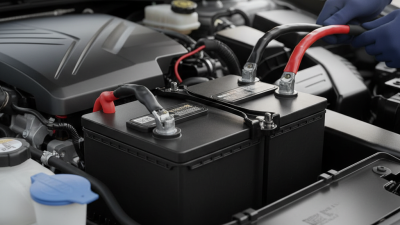
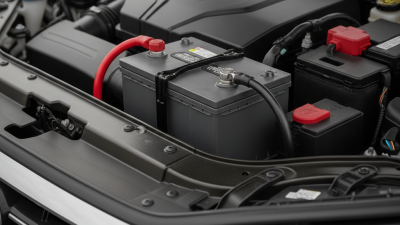
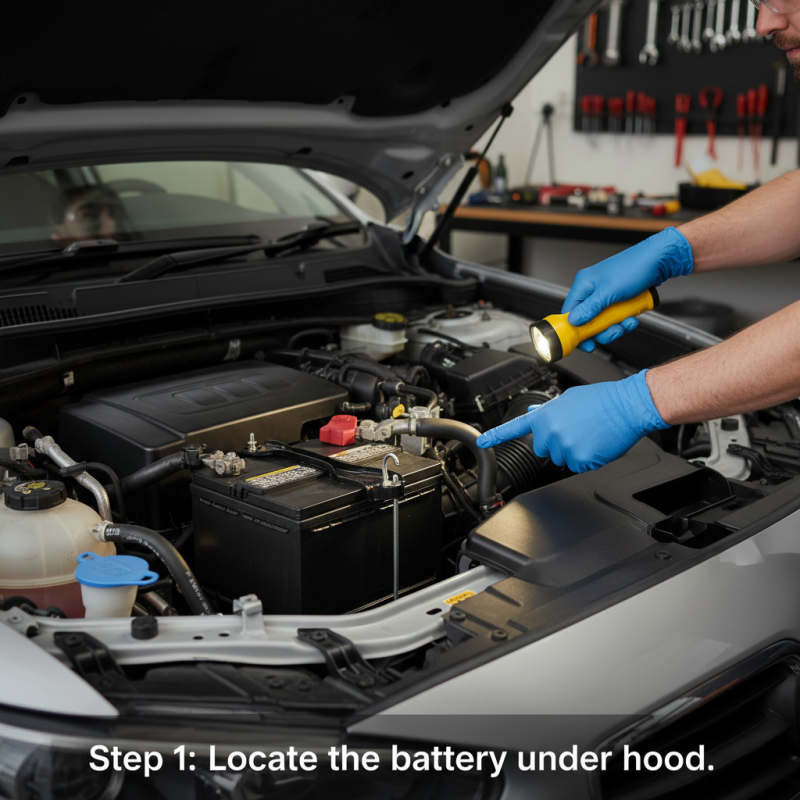
Replacing a dead car battery can seem daunting, but following a step-by-step process makes it easier. Begin by locating the battery under the hood. Typically, batteries are found in the engine compartment, secured with clamps. Wear safety gloves and goggles to protect yourself from battery acid. Safety is crucial; around 12,000 car battery injuries occur each year, according to industry reports.
Next, disconnect the negative cable first, which prevents electrical shorts. Use a wrench to loosen the bolt. Be cautious; sparks can occur if tools touch both terminals. After removing the negative, move on to the positive terminal. Ensure you're clear of any metal tools touching other components. Old batteries can weigh over 40 pounds, so proper lifting techniques are essential.
Once disconnected, carefully remove the battery from its tray. Be aware of any corrosive buildup around the terminals. Cleaning this area can prevent future issues. Remember, disposal of old batteries must adhere to local regulations. Improper disposal can harm the environment significantly. Many places offer recycling services, and this is an opportunity for consumers to act responsibly.
Installing the New Battery and Reconnecting Cables Properly
Replacing a dead car battery can be straightforward with the right approach. After safely removing the old battery, focus on installing the new one.
Start by ensuring the battery fits securely in the tray. Research shows that a poorly fitted battery can result in vibration and possible damage. A stable battery connection helps maintain optimal power levels, ensuring your vehicle runs smoothly.
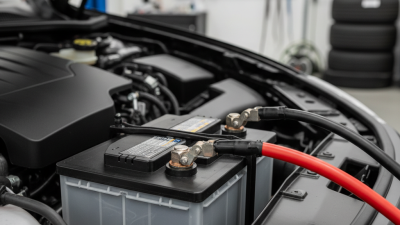
Next, reconnect the cables properly. Connect the positive (+) terminal first, followed by the negative (-) terminal. This step is crucial. Failure to connect the cables in this order can lead to electrical shorts. In fact, the National Highway Traffic Safety Administration reported that improper installation is a common cause of battery-related accidents.
Watch for any signs of corrosion at the terminals. Clean them with a mixture of baking soda and water before final connections. This simple step can enhance battery lifespan, which averages around 3 to 5 years. Neglecting maintenance can lead to performance issues. Regular checks can save you from unexpected dead battery situations in the future.
Testing the New Battery and Ensuring Proper Functionality
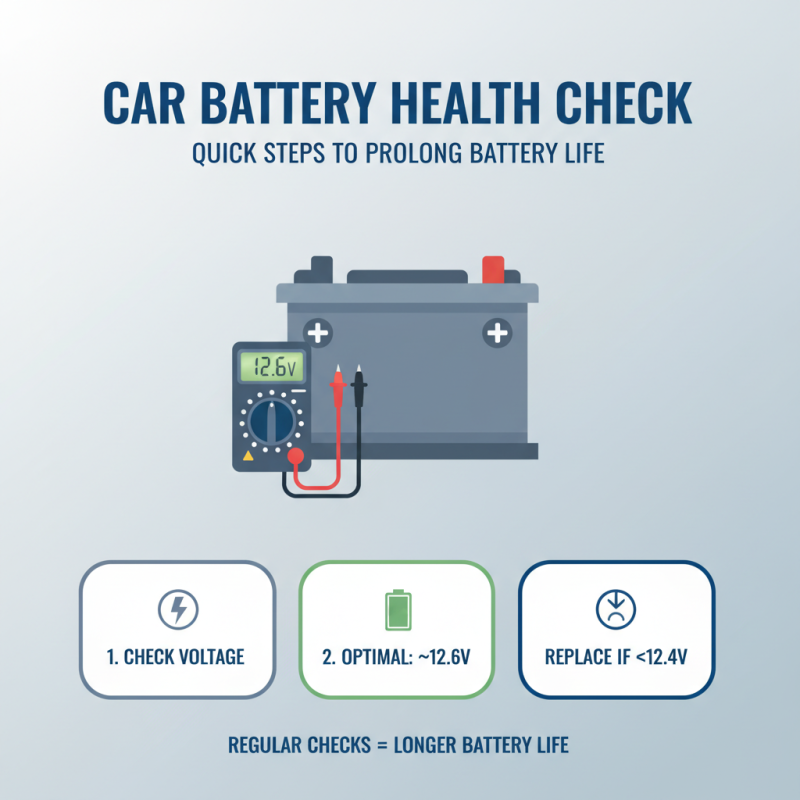
Once you have installed a new car battery, testing it is crucial. First, use a multimeter to check voltage levels. A healthy battery should read around 12.6 volts. Anything below 12.4 volts indicates it may not hold a charge well. Regularly checking voltage can prolong battery life significantly, according to industry reports.
Next, start the engine and recheck the voltage. While running, it should be between 13.7 to 14.7 volts. If it's not, there may be an issue with the alternator or wiring. This small step can save you from future complications, as around 20% of battery replacements stem from charging system failures, not the battery itself.
Additionally, perform a load test. This involves applying a specific load to the battery while measuring voltage drop. An effective load test shows how well the battery can perform under stress. Quality testing tools are essential here. Remember, failing to test can lead to unexpected breakdowns. The average lifespan of a car battery is about three to five years. If neglected, even a new battery may fail prematurely. Regular testing ensures reliability on the road.