How to Replace a Dead Car Battery Easily and Safely?
When it comes to the task of replacing a dead car battery, safety and efficiency are paramount. John Carter, a seasoned automotive technician, emphasizes, "Always ensure you have the right tools and knowledge before you replace a dead car battery." This simple yet crucial advice sets the stage for a hassle-free replacement process.
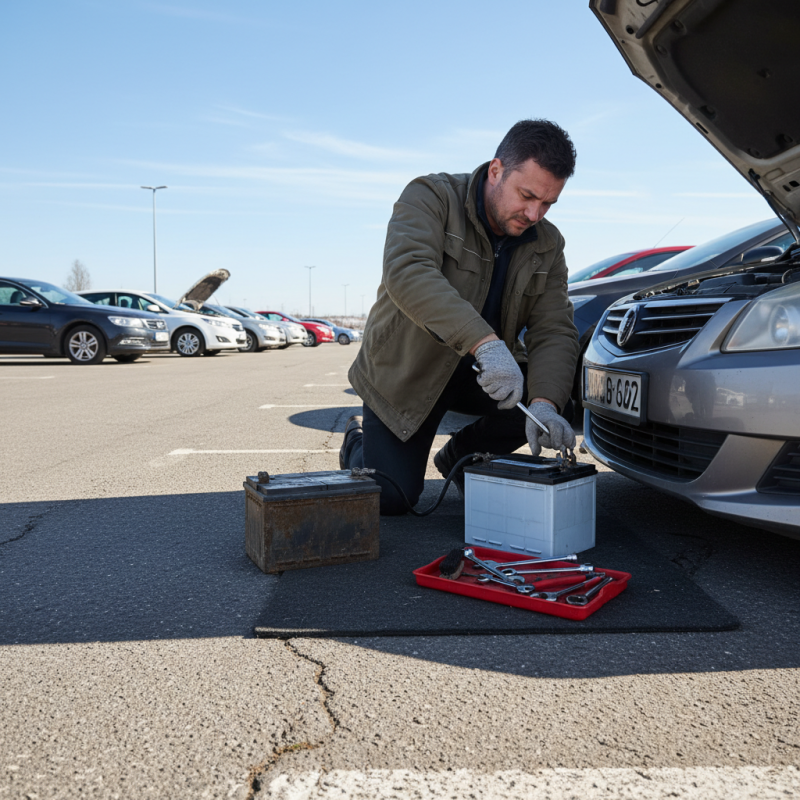
Replacing a dead car battery may seem daunting for many. However, with a step-by-step approach, it can be manageable. Picture yourself in a parking lot, realizing your battery has died. You might feel overwhelmed, but knowing what to do next can alleviate that stress. All you need is a few essential tools and a clear plan.
Throughout this process, you may encounter moments of uncertainty. Perhaps you fumble while connecting the cables or misplace your tools. It may not be perfect. Taking a moment to breathe and refocus is key. Embrace the learning experience, and you’ll find that replacing a dead car battery can be both straightforward and empowering. Every small step builds your confidence for future tasks.
Understanding Car Batteries and Their Importance
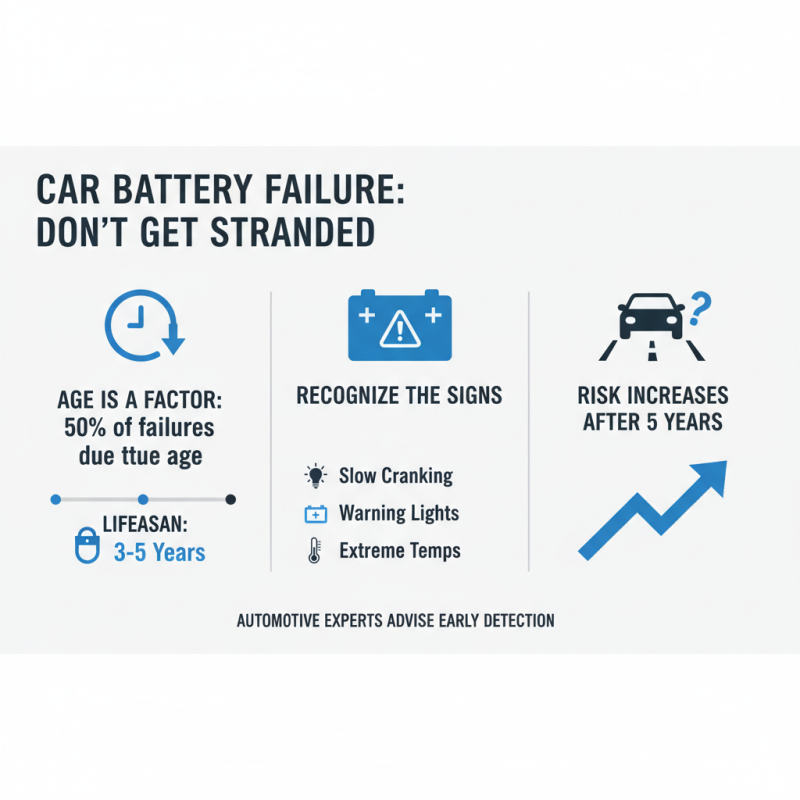
Car batteries play a crucial role in vehicle performance. They supply the electrical energy needed to start the engine. In 2020, over 257 million vehicles were registered in the U.S., emphasizing the importance of reliable batteries. A dead battery is one of the most common reasons for roadside assistance calls. Reports indicate that up to 30% of battery failures occur due to neglect and improper maintenance.
Understanding how these batteries work can prevent issues. A typical lead-acid battery has six cells, each producing about 2 volts. This combination gives a total of 12 volts, sufficient for most vehicles. Maintenance is often overlooked, but checking connections and cleaning terminals can extend battery life. According to industry standards, a well-maintained battery can last between three to five years. Yet, many drivers fail to monitor their battery's health regularly.
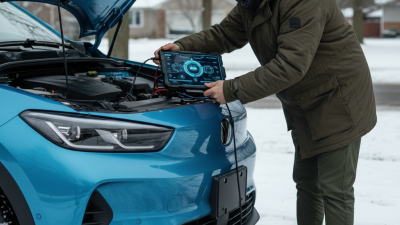
Temperature affects battery performance significantly. For example, cold winters can reduce battery capacity by up to 50%. Drivers might not realize the impact of age or weather. Car batteries also self-discharge over time. Without monitoring, they may fail unexpectedly. Engaging in regular check-ups and understanding battery health are essential for safe driving.
Essential Tools and Safety Gear for Battery Replacement
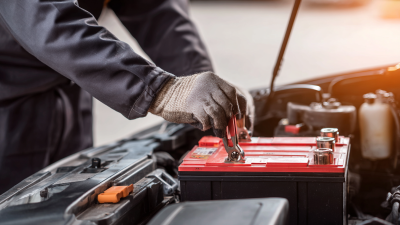
Replacing a dead car battery requires essential tools and safety gear to ensure a hassle-free experience. Start with gloves, which protect your hands from battery acid. Safety goggles are vital too. They shield your eyes from potential sparks. A good-quality wrench set is necessary for removing battery terminals.
Keep a battery terminal cleaning brush on hand to prevent corrosion.
When replacing a battery, consider using a multimeter. This tool can check the battery's voltage. According to industry reports, about 33% of car batteries fail prematurely due to installation errors. Take time to measure your new battery against the old one. Ensure compatibility before installation.
Tips: Always run a safety check before you start. Confirm the vehicle is off and the keys are out of the ignition. Never smoke or use flames near the battery, as hydrogen gas can escape. If you're unsure, consult a professional. Reflect on safety, as overlooking these details can lead to serious accidents. Remember, a safe replacement can save you from future headaches.
Step-by-Step Guide to Removing the Old Battery
Replacing a dead car battery is not as daunting as it seems. To start, make sure your vehicle is off and parked on a flat surface. Gather your tools: a wrench or socket set, safety gloves, and eye protection. Safety first. Battery acid can be harmful.
Begin by locating the old battery. This is usually secured with a bracket. Loosen and remove the negative terminal first, then the positive terminal. Avoid contact between the wrench and any metal surfaces to prevent shorts. Once the terminals are free, unscrew the brackets and carefully lift the battery out. It can be heavy, so use proper lifting techniques.
Tips: Consider wearing an old shirt. It may get dirty. Check for corrosion on the terminals. This often indicates leaks. Cleaning this area before installation is key to a proper connection.
When installing the new battery, reverse the order. Start with the positive terminal. Make sure it’s snug but not over-tightened. Then attach the negative terminal. If your car has a memory saver device, now is the time to use it.
Remember, reflection is important. If you struggle with removing the battery, it may be worth seeking professional help. About 20% of DIYers report issues with battery installation. Take your time and stay safe.
Installing the New Battery and Testing the Connection
Replacing a dead car battery is a straightforward process, but care is essential. Once you have removed the old battery, start by cleaning the battery terminals. Use a mix of baking soda and water to neutralize any corrosion. This step is often overlooked, yet it’s crucial. Dirty terminals can lead to poor connections.
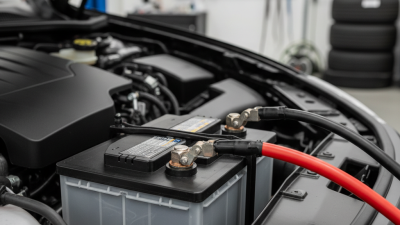
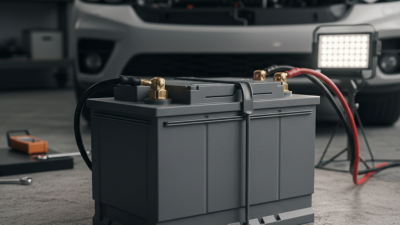
When installing the new battery, align it correctly in the compartment. Secure it tightly to avoid movement while driving. Connect the positive terminal first, followed by the negative. Make sure the connections are snug, but don’t overtighten. A common mistake is not checking the connections after installation. Always test them before closing the hood.
After installation, start the engine to test the battery. It should crank smoothly. If not, there could be a connection issue. Listen for any strange sounds. If the engine doesn’t start, double-check the terminals. Sometimes, a loose connection can cause problems, and ensuring everything is secure can save you frustration later.
How to Replace a Dead Car Battery Easily and Safely?
| Step |
Description |
Safety Tips |
| 1 |
Gather necessary tools: socket wrench, replacement battery, gloves, safety glasses. |
Wear gloves and safety glasses to protect your hands and eyes. |
| 2 |
Turn off the car and open the hood. |
Ensure the car is completely off to avoid electric shock. |
| 3 |
Locate the battery and identify the positive (+) and negative (-) terminals. |
Do not touch both terminals with tools to prevent short-circuiting. |
| 4 |
Disconnect the negative (-) terminal first, followed by the positive (+) terminal. |
Always disconnect the negative terminal first to avoid sparks. |
| 5 |
Remove the old battery and place the new battery in the same position. |
Ensure the new battery is securely placed to avoid movement. |
| 6 |
Connect the positive (+) terminal first, followed by the negative (-) terminal. |
Recheck that connections are tight. |
| 7 |
Start the car to test the new battery. |
If the car does not start, double-check the connections. |