Top 5 Tips to Replace Dead Car Battery Easily?
Replacing a dead car battery can be a daunting task for many drivers. According to a report by the Battery Manufacturers Association, nearly 30% of vehicle breakdowns are attributed to battery failure. Experts like Sarah Johnson, a leading automotive technician, emphasize the importance of understanding how to replace a dead car battery efficiently. She once stated, "A simple battery replacement can save drivers time and money if done right."
Incorporating proper techniques and tools is critical. The average lifespan of a car battery is about three to five years, depending on usage and climate. However, many drivers fail to check or replace their batteries proactively. This oversight often leads to unexpected breakdowns. Studies show that 60% of drivers have experienced battery issues, often due to neglect.
Being prepared can make all the difference. Learning how to replace a dead car battery may seem simple, but it requires attention to detail. Common mistakes include not disconnecting the terminals properly or using the incorrect battery size. By following expert tips, drivers can ensure a smooth battery replacement experience.

Understanding the Signs of a Dead Car Battery
Understanding the signs of a dead car battery is crucial for every driver. A weak or malfunctioning battery often shows clear symptoms. Look out for dimming headlights or slow engine cranking. If you hear clicking sounds when turning the key, your battery might be failing. These indicators suggest it’s time to assess your battery's life.
When faced with a dead battery, there are straightforward steps to take. Ensure you have jumper cables ready. If your battery is completely drained, jump-starting can bring your car back to life. Keep a battery tester handy to check voltage levels. Regularly inspecting connections and cleaning terminals can prevent issues.
Consider the environment as well; extreme temperatures can affect battery performance. Park in shaded areas during heat waves. Cold weather can also drain battery life faster than expected. If you notice persistent signs like corrosion or unusual smells, it may be time to replace the battery. Taking preventive measures can save you from unexpected breakdowns.
Gathering Necessary Tools for Battery Replacement
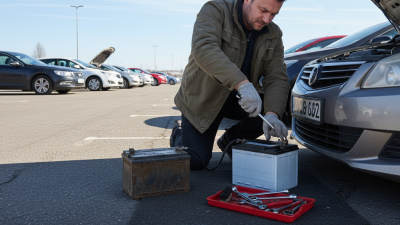
Replacing a dead car battery can seem daunting, but with the right tools, it’s manageable. Start by gathering essential items. You will need a pair of safety gloves to protect your hands from potential acid exposure. A safety goggles is also important to shield your eyes from any corrosive substances. These small steps can prevent accidents.
Next, you should have a wrench for loosening the battery terminals. A socket wrench set may be more beneficial. Ensure you have a clean cloth on hand. It helps wipe away any corrosion. If your vehicle has a battery hold-down bracket, a ratchet and an extension may come in handy as well.
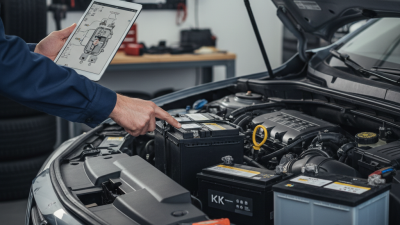
Don't overlook the importance of a multimeter. It can help you check if the new battery is functioning properly. Make sure you have it ready. Sometimes, a little confusion arises when dealing with different battery types. Researching your car's specifications can save time and effort. Testing your setup can lead to unexpected surprises, so take your time.
Step-by-Step Guide to Safely Remove the Old Battery
Replacing a dead car battery can seem daunting, but it can be done safely with the right steps. First, ensure your vehicle is off to avoid electric shocks. Wear gloves and safety glasses. These protect you from acid spills or accidental short circuits. U.S. Department of Transportation data shows improper handling can lead to injuries each year.
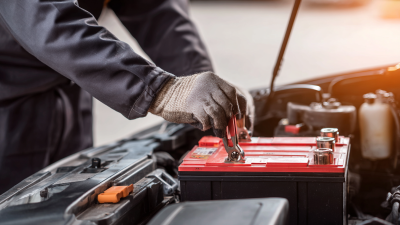
Next, locate the battery. Usually, it’s under the hood. Use a wrench to detach the negative terminal first. This minimizes the risk of sparks. Afterward, remove the positive terminal. Some batteries have a securing bracket; if so, remove it. Studies indicate that nearly 20% of battery failures occur due to loose connections. This highlights the importance of tight fittings when replacing your battery.
Once the old battery is removed, inspect the tray for corrosion or debris. Clean it with a mixture of baking soda and water if necessary. Place the new battery into the tray, ensuring it fits snugly. Connect the positive terminal first, followed by the negative. According to industry surveys, a quarter of car owners neglect this order, leading to potential further issues. Always double-check your connections before closing the hood. This attention to detail is crucial for vehicle longevity and safety.
Car Battery Replacement Frequency
Installing the New Car Battery Properly
Installing a new car battery might seem daunting, but with the right approach, it can be straightforward. Start by gathering your tools: a wrench, gloves, and safety glasses. These items ensure a safe and efficient process. Remember to park your car in a well-ventilated area. This helps avoid buildup of harmful gases.
When you remove the old battery, be cautious. The terminals can be corroded. Clean them gently with a wire brush. Wear gloves to protect your hands. Disconnect the negative terminal first, followed by the positive. This sequence prevents electrical shorts.
After removing the old battery, carefully place the new one in position. Make sure it sits securely in its tray. Reconnect the positive terminal first, then the negative. Double-check the connections. Loose terminals can cause starting issues later on. Lastly, apply a protective spray on the terminals to prevent corrosion in the future. Taking these steps ensures your new battery functions properly and lasts longer.
Testing the New Battery and Ensuring Functionality
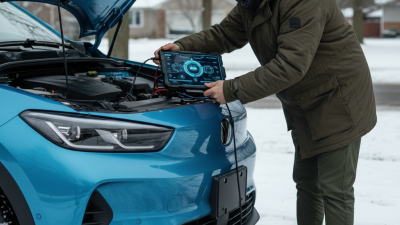
When replacing a dead car battery, testing the new battery is crucial for ensuring its functionality. After installation, you should check the voltage. A fully charged battery should read between 12.6 to 12.8 volts. If it falls below 12.4 volts, the battery may need charging or could be faulty. Conducting this simple test can prevent unexpected failures down the road.
Additionally, monitor the battery's performance during the first few starts. If the engine cranks slowly or the dashboard lights flicker, these signs indicate potential issues. According to a report from the Battery Council International, approximately 25% of vehicle problems stem from battery-related issues. Hence, it’s wise to pay close attention to these indicators.
Before concluding the process, ensure connections are tight and corrosion-free. Clean terminals can improve battery life by up to 30%, as corrosion can impede power transfer. Regular maintenance checks after replacement are essential. Adapting these practices can significantly enhance your battery's reliability and lifespan.