7 EFB Battery Buying Tips for Global Buyers
Choosing an EFB battery for a global fleet is not just a matter of matching the price tag. Start with the vehicle’s required battery type, capacity, dimensions, terminal layout, and start-stop demands. A case that looks right on a warehouse shelf may not fit the tray or cable reach. Small mismatches matter.
For this guide, battery engineer Alex Morgan offers an illustrative rule of thumb: “Check the vehicle specification first; a low price cannot fix the wrong fit.” Treat that as a practical reminder, not a substitute for the vehicle maker’s documentation. Compare cycle-life claims under stated test conditions, warranty coverage, manufacturing date, and supplier quality records. Ask how batteries are stored and rotated, too. Heat, long storage, and poor stock turnover can undermine performance before installation.
Global purchasing adds real-world complications. Confirm consistent labeling, traceable batch details, secure packaging, and clear after-sales support across markets. Check that shipping and storage instructions fit your route and climate. A humid port or a hot container can change the picture.
The details can feel tedious. They are still worth checking. An EFB battery is designed for vehicles with enhanced cycling needs, but specifications vary by model and application. Even a careful checklist cannot remove every uncertainty; test the supplier’s claims against documents and samples before placing a large order.
Define EFB: A 12 V Flooded Lead-Acid Battery for Start-Stop Vehicles
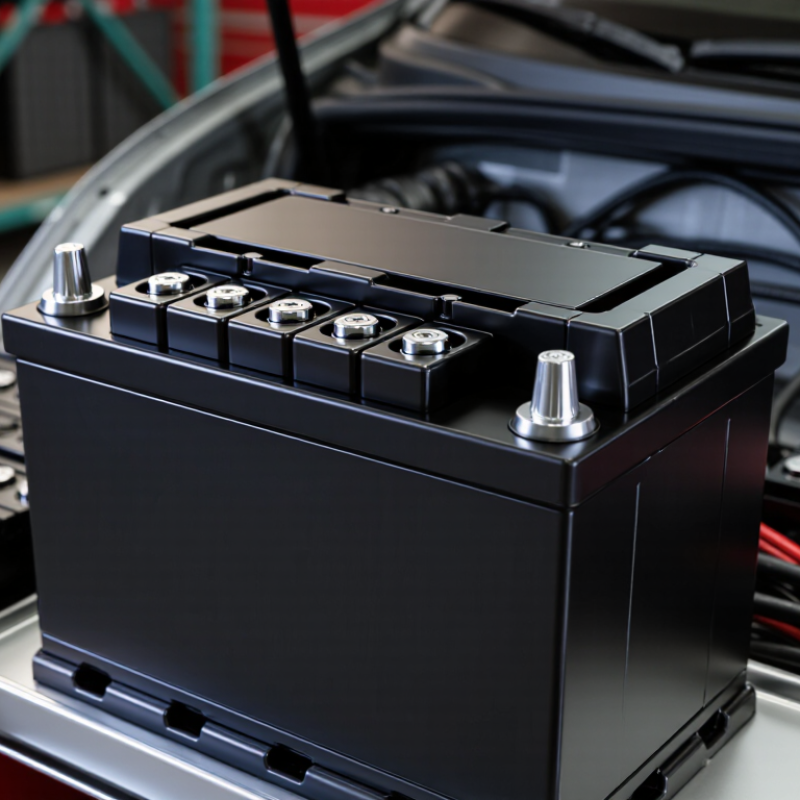
An EFB, or Enhanced Flooded Battery, is a 12-volt lead-acid battery with liquid electrolyte. It is built for vehicles that frequently stop and restart the engine. The battery’s internal design helps it handle repeated cycling better than a standard flooded battery. It is still a flooded type, not an AGM battery. That distinction matters.
In stop-start traffic, the engine may switch off at a red light, while lights, fans, and audio systems continue drawing power. The battery must support those loads and restart the engine moments later. EFB construction can improve charge acceptance and cycling durability, but performance depends on the vehicle and battery specification. Not every car needs one. Check the vehicle handbook or original battery details before buying.
For global buyers, compare voltage, case dimensions, terminal layout, capacity, and cold-cranking performance. A battery that fits the tray may still have the wrong polarity or output. Temperature matters, too: cold mornings demand strong starting power, while hot engine bays can stress battery materials. I would not judge an EFB by its label alone. Ask for clear specification data, and verify that the vehicle’s charging system supports the selected battery. Some listings leave out useful details; that is worth questioning.
Match Capacity and Dimensions to the Vehicle’s OEM Specifications
An EFB battery should fit the vehicle’s original requirements, not just its price range. Check the owner’s manual or the existing battery label for capacity, usually shown in amp-hours (Ah), and cold-cranking performance. A higher Ah figure is not automatically an upgrade; charging control and electrical demand must also suit the vehicle. Start-stop systems can be sensitive to the wrong battery type. Small differences matter.
Tip: Measure the battery tray before ordering. Record length, width, and height, including terminal position and hold-down style. A battery that is a few millimetres too tall may interfere with a cover or bonnet. Reversed terminals can leave cables strained. Compare the measurements with the OEM specification, not only the old battery, which may be an incorrect replacement.
For global purchases, confirm the specification against the vehicle’s exact model year, engine, and market version. Similar vehicles can use different trays or electrical setups. Ask the supplier to confirm dimensions, polarity, terminal layout, and rated capacity in writing. Keep a photo of the battery label and tray measurements. It takes minutes. I’d still recheck the measurements; a hurried reading can miss a raised edge or cable clearance.
7 EFB Battery Buying Tips for Global Buyers
Tip: Match battery capacity and dimensions to the vehicle’s OEM specifications.
Common European-format case sizes are shown for comparison; dimensions are nominal and can vary by specification. Case size alone does not determine battery capacity. Before buying, confirm the OEM-specified capacity (Ah), starting performance, polarity, terminal layout, and hold-down arrangement, as well as the available battery space.
Compare Cold-Cranking Amps Using EN 50342-1 or SAE J537 Test Data
7 EFB Battery Buying Tips for Global Buyers
When comparing EFB batteries, treat cold-cranking amps as test results, not universal numbers. EN 50342-1 and SAE J537 use defined procedures, and their ratings may not be directly interchangeable. Check which standard produced the figure, along with the test temperature, duration, and voltage limit. A higher number is useful only when the method is clear.
Tip: Compare like with like. Put ratings from the same standard side by side, and verify the test method on the datasheet. Check the label. If a supplier gives only an amp figure, ask for the test standard and report before comparing prices.
Look beyond the headline rating. A vehicle that starts outdoors on a frosty morning may need dependable cranking performance, but battery fit, capacity, and charging compatibility also matter. Keep the paperwork. Record the standard, rating, and test conditions for each candidate. A tidy table helps, though it cannot remove every uncertainty. Test versions and reporting details can differ, so I would not treat two similar figures as proof of equal performance. Ask for clarification when details are missing. Small details matter.
Assess Charge Acceptance and Cycle-Life Results for Start-Stop Duty
For start-stop duty, ask for charge-acceptance and micro-cycle-life results—not just a capacity figure. EN 50342-6 sets test methods for lead-acid batteries used in micro-cycle applications. Request the test edition, temperature, state of charge, and charging profile with every result. Otherwise, two impressive numbers may describe very different tests. That matters.
Charge acceptance shows how quickly a partly discharged battery can take in energy during short drives. Compare results at the same state of charge and under the same test conditions. The U.S. Department of Energy’s FuelEconomy.gov reports that start-stop systems can improve city fuel economy by 5–10%. Frequent stops make consistent recharge performance important.
For cycle life, ask how many micro-cycles the battery completed and what failure criterion ended the test. Seek the full report or a traceable laboratory summary, not a single supplier claim. Real traffic is messier than a test bench. Short trips, cold starts, and accessory loads can shift results, so match the test profile to the vehicle’s duty.
Verify Certifications, Transport Classification, Warranty, and Supplier Traceability
Tip 1: Match certificates to the exact EFB battery model, not merely the supplier’s product family. Check the issuer, scope, expiry date, and covered configuration. Tip 2: Request the transport classification and current safety data sheet for that model. Confirm details with your freight provider before booking; requirements may vary by route and carrier. Keep copies.
Tip 3: Read the warranty’s start date, claim process, and exclusions before comparing prices. Ask whether coverage begins at shipment, delivery, or installation. Tip 4: Check how the supplier handles capacity concerns, returns, and inspection costs. A clear answer matters. Tip 5: Get warranty terms in writing, including any conditions for charging, storage, or installation.
Tip 6: Ask for batch numbers linking each delivered battery to production and inspection records. Check that carton labels match the invoice and documents. Tip 7: Verify the supplier’s manufacturing location and ask how quality issues are recorded and reported. One document can be outdated; that is easy to overlook. Request dated records, and confirm key details before placing a large order.