How to Choose the Best EFB Car Battery for Your Vehicle Needs
When it comes to selecting the right battery for your vehicle, the importance of choosing an EFB car battery cannot be overstated. According to Jason Lee, an industry expert with over a decade of experience in automotive energy solutions, “An EFB car battery is a crucial component for vehicles that require greater power and reliability, especially in start-stop systems.” As vehicles evolve with advanced technologies, the demand for batteries that can handle such innovations is paramount.
Choosing the best EFB car battery involves understanding the unique requirements of your vehicle, including specifications such as size, capacity, and compatibility. The EFB technology, designed to deliver higher energy efficiency and durability, makes it an essential choice for drivers seeking performance and longevity from their vehicle’s power source. With insights from industry leaders like Lee, it becomes evident that investing in the right EFB car battery can lead to improved vehicle performance and a smooth driving experience.
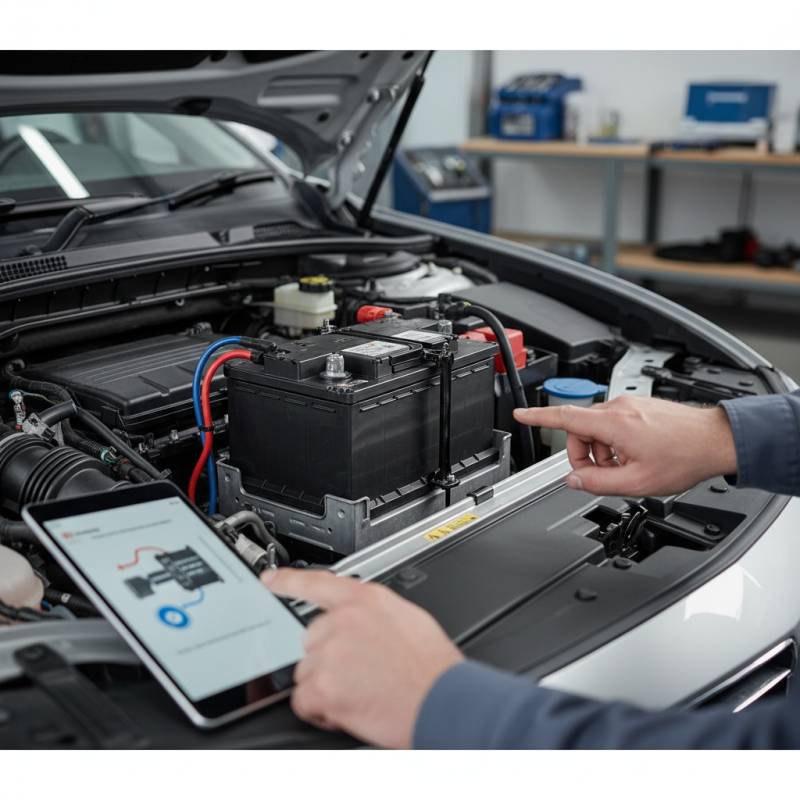
Understanding EFB Car Batteries and Their Benefits
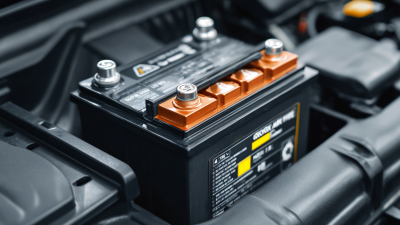
EFB (Enhanced Flooded Battery) car batteries have gained significant attention in the automotive industry due to their unique benefits. Designed to meet the demands of modern vehicles, especially those with advanced start-stop technology, EFB batteries offer enhanced performance and longevity compared to traditional flooded lead-acid batteries. According to a report by the Advanced Lead-Acid Battery Consortium, EFB batteries can deliver up to 30% more cycling capability, making them ideal for vehicles that experience frequent starts and stops, which is often the case in urban driving conditions.
One of the key advantages of EFB batteries is their superior charge acceptance and efficiency. A study published in the Journal of Power Sources highlights that EFB batteries can recharge more rapidly than conventional batteries, thus reducing the time needed between engine starts. This feature is particularly beneficial in improving fuel efficiency and reducing carbon emissions, aligning with the automotive industry's push towards sustainability. Furthermore, due to their robust design, EFB batteries typically have a longer life cycle, offering users a reliable power source and minimizing the frequency of battery replacements, which not only saves costs but also promotes environmental responsibility.
In summary, understanding the benefits of EFB car batteries is crucial for consumers looking to enhance their vehicle's performance and reliability. The combination of enhanced cycling capability, improved charge acceptance, and longevity makes EFB batteries a smart choice for modern-day automotive needs.
Key Factors to Consider When Selecting an EFB Battery
When selecting an EFB (Enhanced Flooded Battery) for your vehicle, there are several key factors to keep in mind. First, consider the battery’s specifications, such as size, capacity, and terminal layout, to ensure a proper fit for your car. A battery that doesn’t fit correctly can lead to poor performance and complications during installation.
Check your vehicle’s manual or consult with professionals to find the recommended specifications specific to your model.
Another important aspect to consider is the battery’s cycle life and starting power. EFB batteries are designed to support vehicles with higher electrical demands, such as those equipped with stop-start technology. Ensure that the battery you choose has a sufficient reserve capacity to handle your vehicle's power needs, especially if you frequently use electronics when the engine is off.
Tips: Before making a purchase, inspect the warranty offered with the battery. A longer warranty can be indicative of the manufacturer's confidence in their product’s durability and performance. Additionally, reading customer reviews can provide insight into real-world usage and reliability. Always compare multiple options to find the best value that meets your vehicle’s needs.
Compatibility: Ensuring Your EFB Battery Fits Your Vehicle
When selecting an EFB (Enhanced Flooded Battery) for your vehicle, compatibility is paramount. The first step in ensuring a proper fit is to consult your vehicle's owner's manual, which provides essential specifications regarding battery size, terminal configuration, and required power ratings. Each vehicle has unique electrical demands based on its make and model, and using an incompatible battery can lead to poor performance or potential damage to the electrical system. Understanding the cold cranking amps (CCA) and reserve capacity (RC) needed for your vehicle will significantly aid in narrowing down the right choices.
Additionally, it is important to evaluate the battery's physical dimensions. An EFB battery that is too large or too small may lead to installation difficulties or insufficient connections. Always confirm that the battery will fit securely within the designated compartment without any risk of movement while the vehicle is in operation. Checking for terminal positions is also crucial; reversed terminals can create hazards, including electrical shorts. By prioritizing compatibility and ensuring that you are purchasing a battery tailored to your vehicle's specific requirements, you can enhance both reliability and performance, ultimately contributing to the longevity of your car's electrical system.
How to Choose the Best EFB Car Battery for Your Vehicle Needs - Compatibility: Ensuring Your EFB Battery Fits Your Vehicle
| Vehicle Type |
Battery Size |
Cold Cranking Amps (CCA) |
Reserve Capacity (RC) |
Warranty |
| Sedan |
Group 24F |
600 CCA |
120 minutes |
36 months |
| SUV |
Group 34 |
700 CCA |
100 minutes |
24 months |
| Truck |
Group 65 |
800 CCA |
140 minutes |
36 months |
| Minivan |
Group 24 |
550 CCA |
110 minutes |
24 months |
Evaluating Performance and Longevity of EFB Batteries
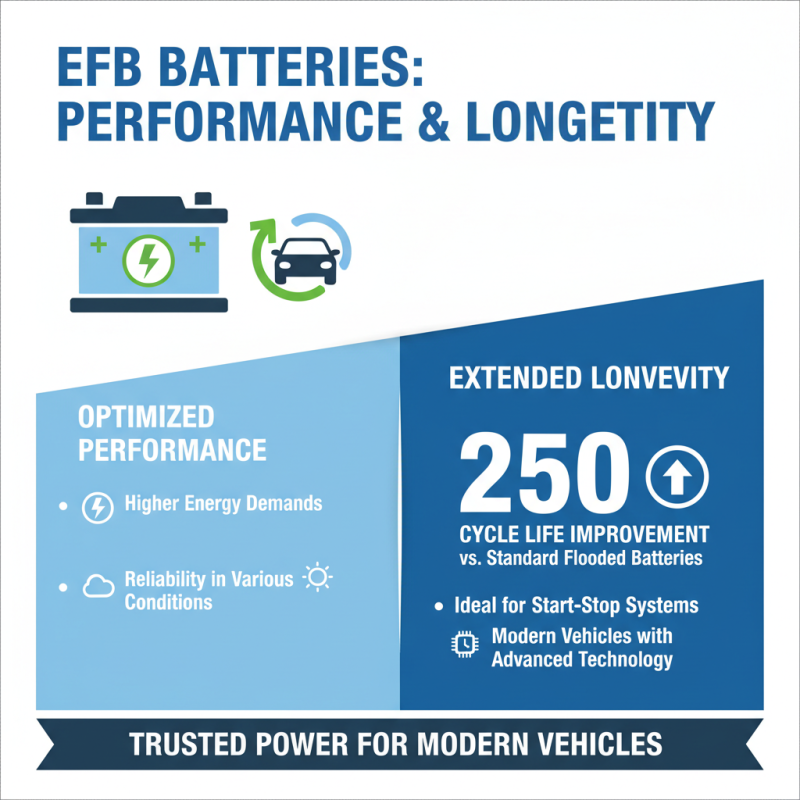
When it comes to selecting the ideal Enhanced Flooded Battery (EFB) for your vehicle, understanding its performance and longevity is crucial. EFB batteries have garnered attention for their reliability under various conditions, particularly for vehicles with higher energy demands. According to industry reports, EFB batteries are designed to withstand up to 250 cycle life improvements over standard flooded batteries, offering better longevity. This makes them particularly advantageous for modern vehicles equipped with advanced technology and start-stop systems that require frequent starting power.
Performance evaluation is equally important, as it encompasses the battery's cranking amperage and reserve capacity. Research shows that EFB batteries typically deliver enhanced cold cranking amps (CCA), which signifies better performance in cold climates. For instance, a recent study indicated that the CCA of EFB batteries can reach up to 800 amps, significantly boosting starting reliability in extreme weather conditions. Furthermore, with their thicker plates and electrolyte efficiency, EFB batteries experience reduced sulfation, thereby prolonging battery life.
**Tips:**
1. Always check your vehicle’s specifications to determine the optimal CCA required for your specific model.
2. Consider the average driving conditions in your area; a higher capacity EFB may be beneficial in regions with extreme temperatures.
3. Regularly maintain your battery by inspecting terminals and ensuring clean connections, which can help extend its lifespan and performance.
Installation and Maintenance Tips for EFB Car Batteries
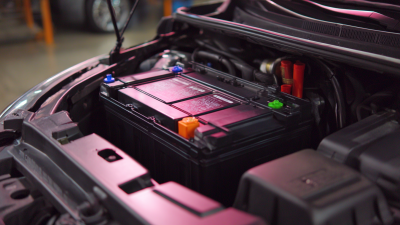
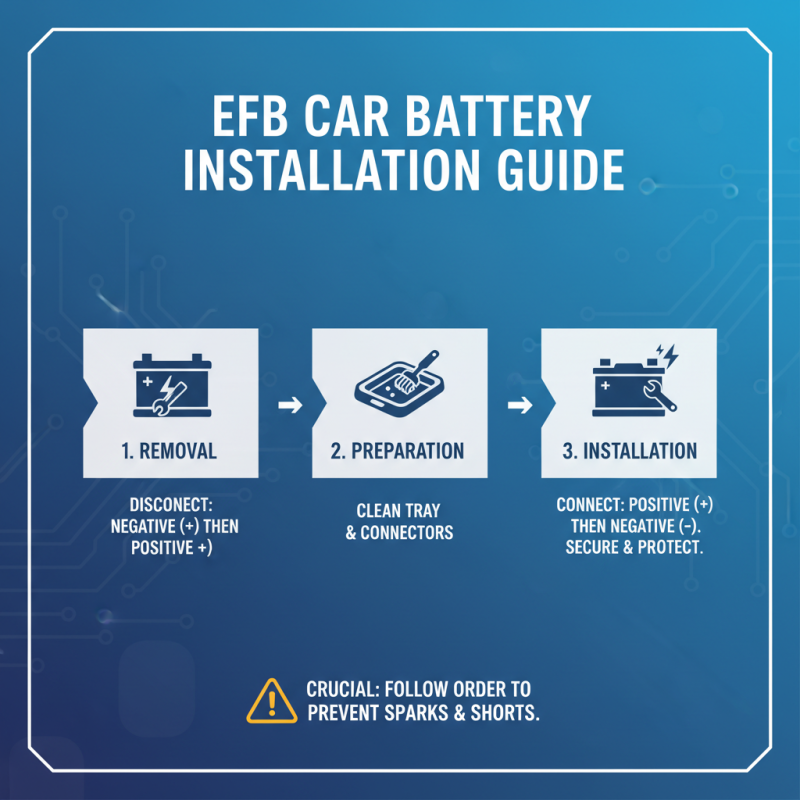
When installing an EFB car battery, ensure that you first disconnect the negative terminal followed by the positive terminal to prevent any electrical shorts. After safely removing the old battery, clean the battery tray and cable connectors to ensure a secure fit for the new battery. Position the EFB battery in the tray, making sure you connect the positive terminal first, followed by the negative terminal. This order is crucial to avoid potential sparks and ensure safe installation. Always check that the terminals are tightly secured and protected from corrosion.
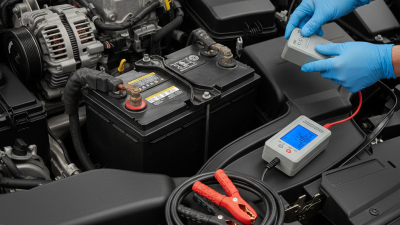
Maintaining your EFB battery is equally important for optimal performance and longevity. Regularly check the battery terminals for any signs of corrosion and clean them with a mixture of baking soda and water if necessary. It's advisable to inspect the battery for any leaks or bulges periodically, as these can be indicators of a failing battery. Furthermore, keep the battery charged, especially if your vehicle is not driven frequently. An EFB battery thrives on consistent charging and discharging cycles, so regular use of your vehicle will help keep the battery in good shape. If the vehicle will be idle for an extended period, consider using a battery maintainer to avoid deep discharges that could compromise battery life.