2026 How to Choose a Good Car Battery for Optimal Performance
Choosing a good car battery is crucial for vehicle performance. A reliable battery ensures smooth engine starts, efficient power supply, and overall longevity. Reports indicate that almost 30% of roadside assistance calls relate to battery failures.
An optimal battery enhances fuel efficiency and provides consistent power to various components. According to studies, a good car battery can last between three to five years, but many drivers overlook maintenance. Regular checks on the battery’s health can prevent unexpected failures.
In a market flooded with options, not every battery meets high standards. Factors like climate, usage, and quality impact battery life. It’s essential to understand these elements when selecting a battery. Reflecting on past choices can lead to better investments. Often, people settle for cheaper options, missing out on quality and performance.
Understanding Car Battery Basics for Optimal Performance
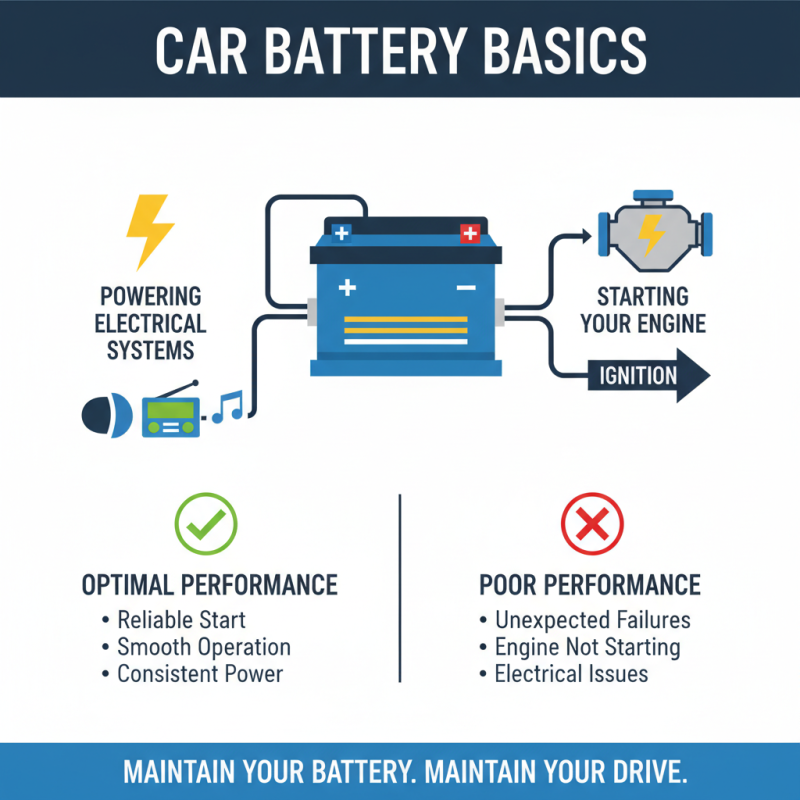
Understanding car battery basics is essential for optimal vehicle performance. The battery is often overlooked yet crucial. It powers the electrical systems and starts your engine. A well-functioning battery ensures your car runs smoothly. Poor battery performance can lead to unexpected failures.
Choosing the right battery involves several factors. Consider the battery type and size that fits your vehicle. Read your owner’s manual for guidelines. Cold cranking amps (CCA) is important. This measures the battery's ability to start in cold weather. Higher CCA ratings support better performance.
Also, pay attention to battery lifespan. A typical battery lasts around three to five years. Regular checks can help you avoid breakdowns. Look for warning signs like slow starts or dim lights. A proactive approach can lead to long-lasting performance. Reflecting on these details can enhance your overall driving experience.
Key Factors to Consider When Selecting a Car Battery
Choosing the right car battery is crucial for optimal performance. Several key factors can influence your decision. Battery type, capacity, and lifespan are among the top considerations. For example, lead-acid batteries are popular due to their affordability. However, lithium-ion batteries offer better performance and longevity.
When evaluating battery capacity, consider the amp-hour rating. A conventional vehicle may require a battery with 50-70 amp-hours. In contrast, upscale models might need 80 amp-hours or more. Understanding the specific requirements of your car can help you avoid potential problems. Misfits can lead to underperformance.
Also, inspect the battery's warranty and cycle life. A good warranty indicates manufacturer confidence. Many batteries fall short of expected lifespans, often lasting only three to five years. Consumer reports reveal that around 25% of drivers replace their batteries earlier than expected. This reflects the importance of informed choices.
2026 How to Choose a Good Car Battery for Optimal Performance - Key Factors to Consider When Selecting a Car Battery
| Factor |
Description |
Importance Level (1-5) |
| Cold Cranking Amps (CCA) |
Measures the battery's ability to start an engine in cold temperatures. |
5 |
| Reserve Capacity (RC) |
Indicates how long the battery can run on its own power without being charged. |
4 |
| Battery Type |
Different types include Lead-Acid, AGM, and Gel Cell, impacting performance and lifespan. |
4 |
| Size and Fit |
Ensure the battery fits your vehicle's specifications and space requirements. |
5 |
| Warranty |
A longer warranty often indicates higher quality and reliability. |
3 |
| Maintenance Requirements |
Some batteries require regular maintenance, which can affect user convenience. |
3 |
Types of Car Batteries and Their Performance Characteristics
When selecting a car battery, understanding the types available is crucial. The two main categories are lead-acid and lithium-ion batteries. Lead-acid batteries, the most common, have been around for over a century. They are reliable and cost-effective but can exhibit shorter lifespans, especially in extreme temperatures. According to industry reports, these batteries typically last 3-5 years. However, proper maintenance can help extend their lifespan, an aspect often overlooked by drivers.
On the other hand, lithium-ion batteries are emerging in the automotive sector. They offer a lightweight solution and longer life. Some reports indicate they can last up to 10 years, but they come at a higher initial cost. They perform better in extreme conditions, making them a preferable choice for certain vehicles. Yet, they require specific charging systems. This need for specialized equipment can deter some consumers.
Factors like climate and driving habits also impact performance. For instance, heavy usage in cold climates can significantly reduce battery efficiency. Many drivers fail to acknowledge this, leading to unexpected battery failures. It's essential to assess personal usage and local weather conditions before choosing a battery type. Ignoring these details can result in poor performance and frequent replacements.
How to Determine the Right Battery Size for Your Vehicle
Choosing the right battery size is crucial for your vehicle's performance. A battery that is too small may struggle to start your engine. Conversely, one that is excessively large could take up unnecessary space. Vehicle manufacturers provide recommendations, but understanding your needs is key.
Start by checking your owner's manual. It often contains specifications for battery size and capacity. If you've lost it, many online resources can help. Measure the space under your hood to ensure a perfect fit. Width, length, and height all matter. Remember, inadequate clearance might lead to overheating or other issues.
Additionally, consider your driving habits. If you drive often in extreme conditions, you may need more power. Seasonal changes can affect battery performance, too. If you live in a cold climate, opt for a battery with a higher cold cranking amps rating. Always reflect on your lifestyle when selecting. Taking these steps can lead to optimal battery performance in your daily drives.
Maintaining Your Car Battery for Longevity and Efficiency
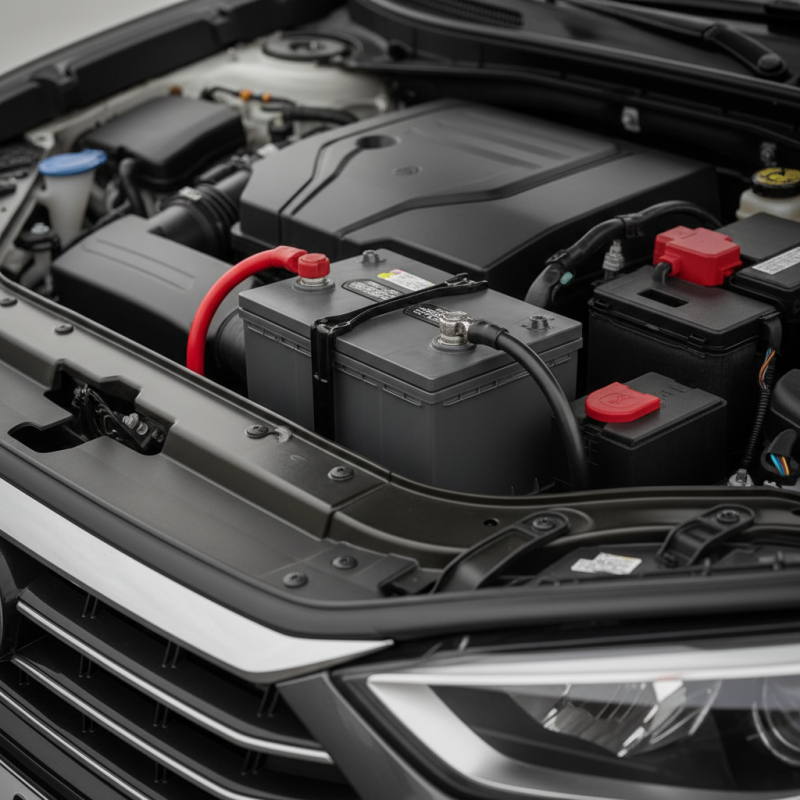
Maintaining your car battery is essential for its longevity and efficiency. Regular checks can help prevent unexpected failures. A clean battery terminal is vital. Dirt and corrosion can lead to poor connections. Use a wire brush to clean terminals gently. Ensure that cables are tight but not overly secured. Loose connections can lead to a loss of power.
Check the fluid levels in your battery. Low levels can cause overheating and damage. If you notice discoloration or cracks, it might be time for a replacement. Temperature fluctuations can also affect battery lifespan. Extreme heat or cold can drain the battery quickly. Park in shaded areas or garages when possible.
Be aware of warning signs. If your car struggles to start, it may be time to investigate further even if it seems minor. A weak battery can impact other systems in your automobile. It’s essential to keep an eye on its performance. Regular maintenance can help avoid larger issues down the road.