Roadside Battery Jump Start Tips for Every Driver
When faced with a dead battery, drivers often feel stressed and unprepared. Expert mechanic Jane Smith, from the Roadside Assistance Association, emphasizes, “Knowing how to jump start a roadside battery can save you time and hassle.” This insight highlights the importance of being equipped with essential skills and knowledge.
Every driver should understand the basics of roadside battery jump starting. It's more than just connecting cables; it's about safety and efficiency. Many overlook the need for clean terminals and the correct order in which to connect cables. Inexperienced drivers frequently make mistakes that could lead to further battery damage or personal injury.
While a jump start can be a simple task for those who know what they are doing, it’s crucial to assess the situation accurately. It’s easy to rush. However, taking a moment to review the scenario can prevent additional problems. Reflecting on these details can empower drivers, transforming a stressful situation into a manageable one.
Essential Tools for Jump Starting a Car Battery on the Road
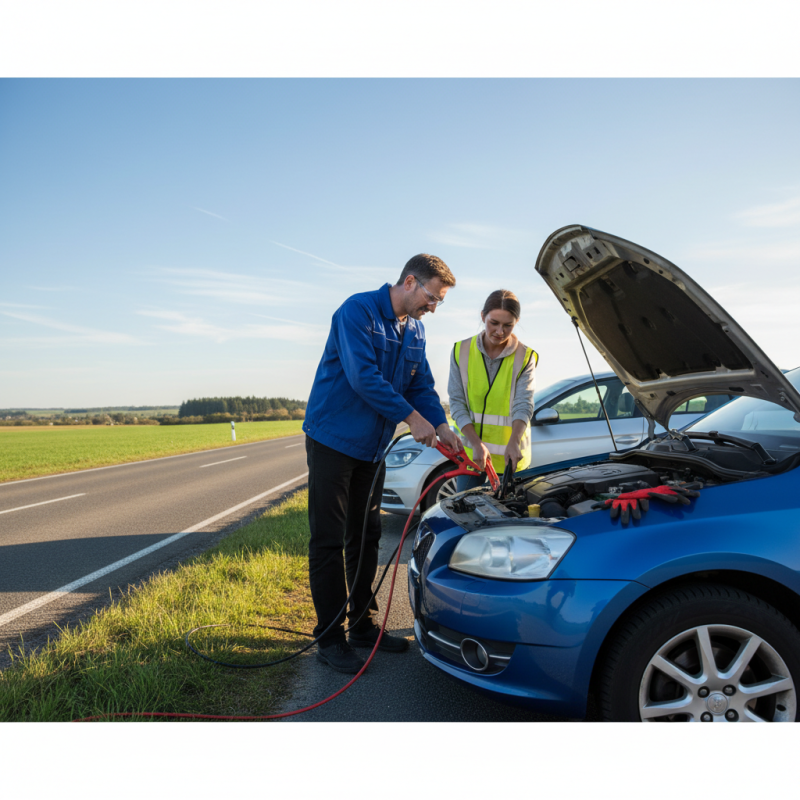
Having the right tools can make all the difference when jump-starting a car battery on the roadside. A portable jumper cable is a must-have. Make sure that it is at least 16 feet long. This length allows connection between two vehicles without stretching the cables too much. Along with jumper cables, having a sturdy flashlight can help in low-light situations. It aids in seeing the battery terminals clearly when you are working in the dark.
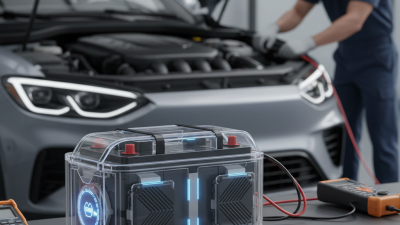
A pair of gloves is essential. They protect your hands from dirt and potential sparks. Safety glasses are also a good idea. They shield your eyes while working near the battery. Don’t forget to bring a multimeter if available. It helps assess the battery's condition before jumping. Sometimes, a jump isn’t enough if the battery is deeply discharged.
If you find yourself in need of a jump but lack the tools, ask for help. Be mindful, though, that not all jump cables are created equal. Checking their condition before use is important, as frayed wires can lead to unsafe situations. Reflect on these points: do you know where to look for help in an emergency? Have your tools been reliable?
Step-by-Step Guide to Safely Jump Starting Your Battery
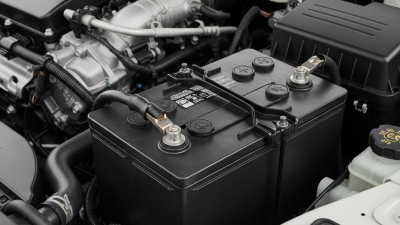
When your car battery dies, knowing how to jump start it safely is crucial. Start by ensuring both vehicles are parked close, but not touching. Turn off all accessories in both cars to prevent electrical surges. Find two sets of jumper cables. Make sure they are in good condition, without frays or damages. Good quality cables are essential for safety and efficiency.
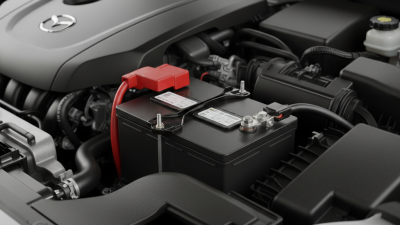
Connect the red cable to the dead battery's positive terminal. Attach the other end to the positive terminal of the working battery. Next, take the black cable. Connect it to the negative terminal of the working battery. The final step is critical: attach the other end of the black cable to an unpainted metal surface on the dead vehicle. This minimizes the risk of sparks near the battery, which can be dangerous.
Once everything is hooked up, start the working vehicle and let it run for a few minutes. If it doesn’t start, you may have to reassess your connections. Ensure everything is secure. If your car still won’t start, it might not just be the battery. You might need to contact a professional. Remember, every jump start is a learning experience, and reliance on this skill can prepare you for future roadside emergencies.
Common Mistakes to Avoid When Jump Starting a Vehicle
Jump starting a vehicle might seem simple, but many drivers make critical mistakes. According to a 2020 automotive safety report, around 25% of all jump start attempts result in additional damage to the vehicle's electrical system. One common error is not properly connecting the jumper cables. Always attach the positive (red) cable to the dead battery first, followed by the working battery. Failing to do this can lead to sparks and potential battery explosion.
Remember to identify the correct terminals. Misidentifying the negative (black) cable can cause significant harm to both vehicles. The National Safety Council emphasizes that incorrect connections lead to 22% of jump start failures. Make sure the cables are secured and not dangling. They should not touch any metal surfaces that could lead to shorts.
Here are some quick tips: wear gloves to avoid corrosion exposure. Ensure both vehicles are off before connecting cables. Wait a minute after connecting before starting the working vehicle. If your vehicle doesn't start, do not continue cranking the engine. This can drain the working battery and damage both batteries. Exercise caution and reflect on your approach when jump-starting a vehicle. It's easy to overlook these details in a hurry.
Common Mistakes When Jump Starting a Vehicle
Understanding Battery Types and Compatibility for Jump Starts
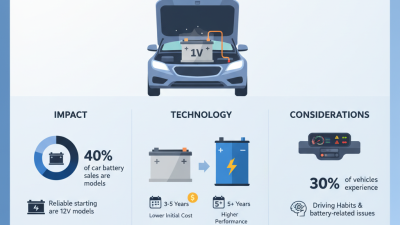
Understanding battery types and their compatibility is crucial for any driver facing a jump start situation. Most vehicles use either lead-acid or lithium-ion batteries. Lead-acid batteries are the most common in combustion engine vehicles. They can be sensitive to temperature and age. Lithium-ion batteries, while prevalent in electric vehicles, have different voltage requirements.
When jumping a car, matching the battery type is essential. For example, using a lead-acid jumper on a lithium-ion battery can lead to failure or even damage. According to the Battery Council International, about 90% of vehicles on the road rely on lead-acid batteries. However, electric vehicles are increasing rapidly, making compatibility checks vital.
Tips: Check your vehicle’s manual for battery type specifics. Always inspect cables for damage before use. If uncertain, consult a professional. Additionally, remember to wear gloves and protective eyewear. These simple precautions can prevent accidents.
Inconsistent performance can arise from old or underperforming batteries. A study by the American Automobile Association highlights that 25% of drivers do not test their battery regularly. Regular maintenance can avoid roadside troubles. Jump-starting procedures can differ based on the battery type, so educate yourself on your vehicle’s needs before a jump-start situation arises.
Additional Tips for Preventative Battery Maintenance and Care
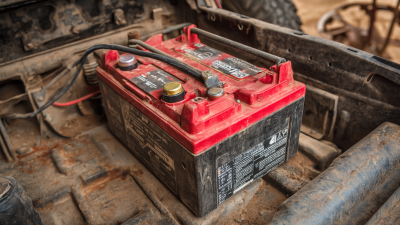
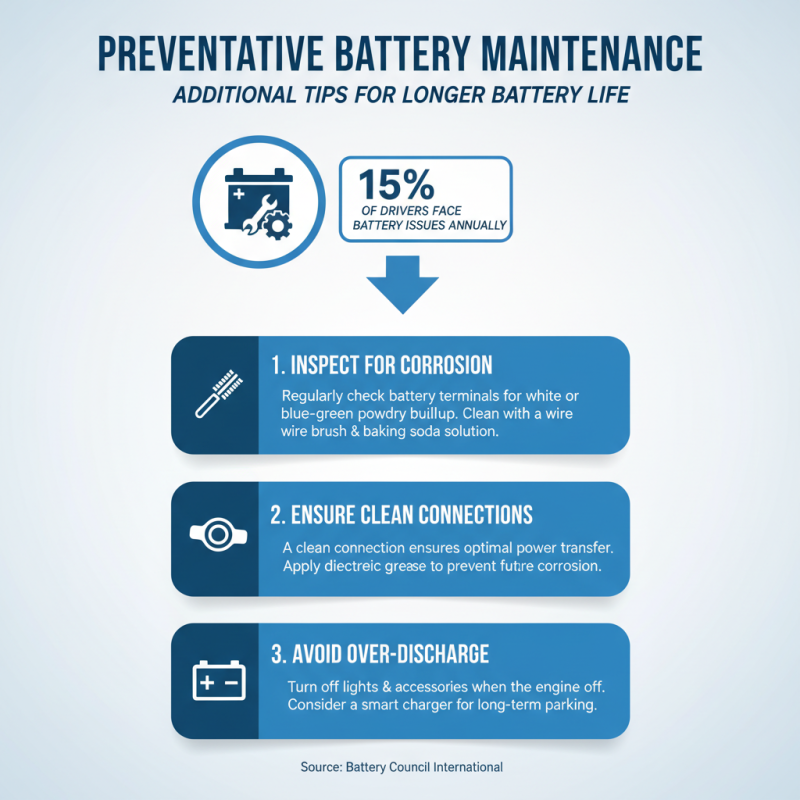
Proper maintenance of your vehicle’s battery is crucial for reliability. According to the Battery Council International, roughly 15% of drivers experience battery-related issues annually. This percentage showcases the importance of preventive care. Regularly inspecting battery terminals for corrosion can prevent unexpected failures. A clean connection ensures optimal power transfer while avoiding over-discharge situations.
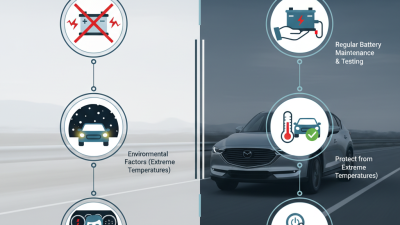
Environment also plays a role in battery longevity. Extreme temperatures can significantly impact performance. A study by the National Renewable Energy Laboratory indicates that batteries can lose up to 50% of their capacity in cold weather. Consider parking in a garage or using a battery insulator during harsh seasons. Additionally, investing in a battery maintainer can extend the life of your battery, especially for vehicles rarely used.
Lastly, the age of the battery is a vital factor. Most batteries only last 3 to 5 years, depending on their quality and usage. Regular checks should include testing voltage, with a healthy battery showing around 12.6 volts. If your battery is nearing its lifespan, proactive replacement can save you from inconvenient breakdowns. Learning these nuances can greatly enhance your driving experience and save you from roadside mishaps.