2026 Best Solutions for Flat Car Battery Troubleshooting and Prevention?
Flat car battery issues often leave drivers stranded, especially in colder climates. According to the Battery Council International, approximately 68 million car batteries are sold annually in the U.S. However, statistics show that 15% of drivers face flat car battery problems each year. This common scenario indicates the need for effective troubleshooting and prevention strategies.
Preventative measures are crucial to addressing flat car battery issues. Regular maintenance can extend battery life significantly. In fact, neglecting a simple battery check can lead to being stuck in inconvenient situations. The average age of a car battery is three to five years, and many drivers fail to replace theirs in time. This overlooked aspect of vehicle care leads to unnecessary stress and possible accidents.
In 2026, effective solutions for flat car battery troubleshooting become more essential. With advancements in battery technology and maintenance programs, drivers can better prepare for emergencies. However, the persistent reality remains: even with the best preventive practices, unexpected issues can still arise. Reflecting on our driving habits may highlight areas for improvement and emphasize the importance of being proactive.
Understanding Flat Car Battery Issues: Common Causes and Signs
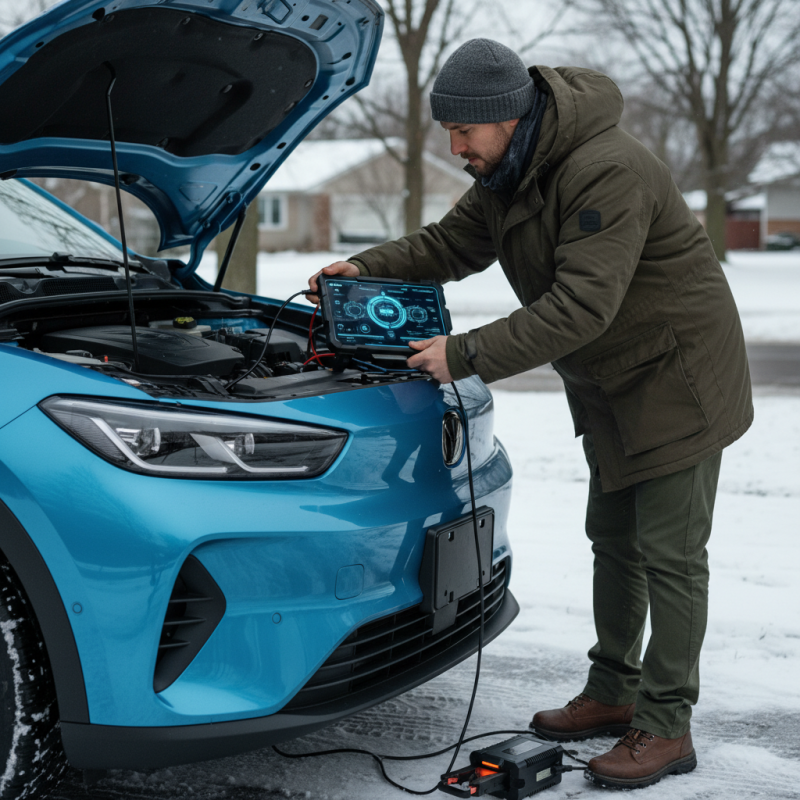
Flat car batteries can be a nuisance for drivers. Understanding the signs can save you time and stress. One common indicator is a slow engine crank. When you turn the key, the engine struggles to start. This delay suggests your battery may be losing power. Another noticeable sign is dim headlights. If your lights seem weaker than usual, it's a red flag.
Temperature affects battery performance, too. Cold weather can drain a battery faster. If you frequently experience battery issues in winter, you might need a replacement. Corrosion around battery terminals can indicate problems as well. This crusty buildup prevents proper connections and could leave you stranded.
Regular maintenance is essential. Check your battery's health routinely, especially before long trips. Clean any corrosion you see, and ensure terminals are tight. Keeping a jump starter in your car can help if issues arise unexpectedly. Being proactive can help reduce frustration and ensure your vehicle runs smoothly.
2026 Best Solutions for Flat Car Battery Troubleshooting and Prevention
Step-by-Step Troubleshooting Guide for Flat Car Batteries
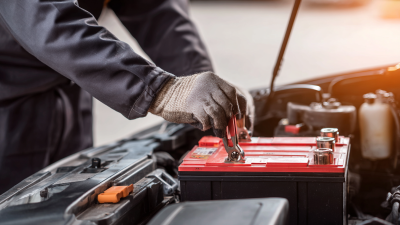
Flat car battery issues can arise unexpectedly, leaving you stranded. Understanding how to troubleshoot and prevent these problems is essential. Start by checking for simple issues. Ensure connections are tight and free of corrosion. A loose terminal can easily disrupt power flow. Signs of corrosion appear as a white or blue buildup around the battery terminals. Cleaning these areas might solve your issue.
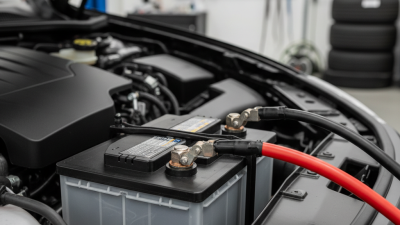
If your battery is not fully dead, try jump-starting it with jumper cables. Make sure the vehicle providing power is off initially. Connect the positive and negative ends carefully, ensuring no metal touches the terminals. If the battery won't hold a charge, it may need replacement. Test the battery health at a local service facility for a thorough diagnosis.
Regular maintenance is crucial for battery longevity. Check fluid levels and look for leaks. Extreme temperatures can affect battery performance. In cold weather, consider using a battery blanket to insulate it. If you park your car for long periods, a smart charger can keep your battery at optimal levels. Awareness and action can save you from future disappointments.
Effective Prevention Strategies for Flat Car Battery Problems
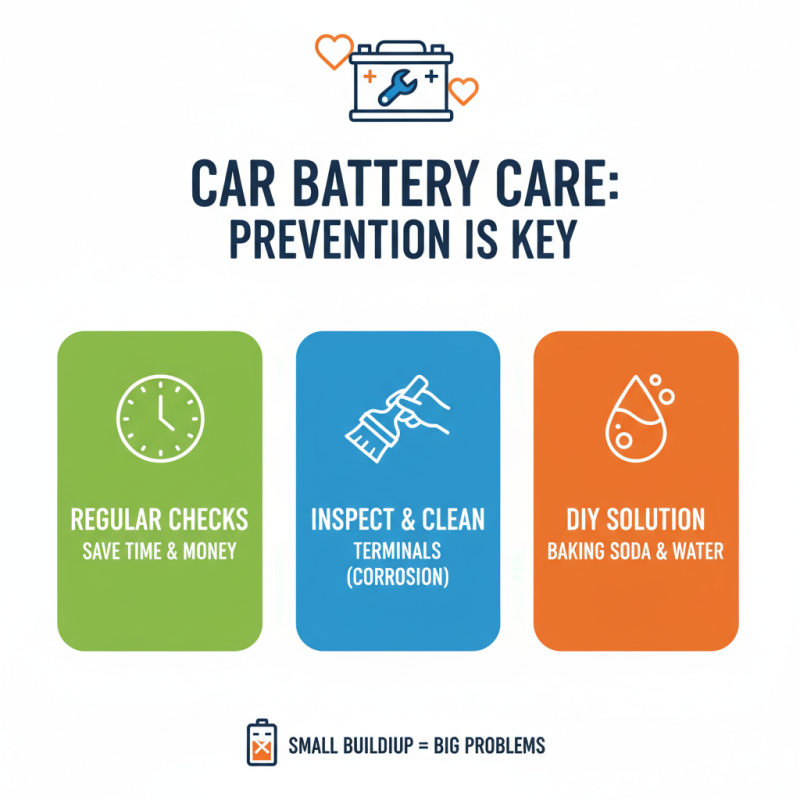
When dealing with flat car battery issues, prevention is key. Regular checks can save time and money. Make it a habit to inspect battery terminals for corrosion. Clean them with a mixture of baking soda and water. Remember, even the smallest buildup can hinder performance.
Tips: Always keep battery connections tight. Loose connections may lead to unexpected failures. Additionally, ensure that your battery is securely mounted. Vibrations can cause damage over time.
Every few months, test your battery's voltage. A reading below 12.4 volts signals trouble. Replace it before it fails. Be cautious during extreme temperatures, too. Hot summers and cold winters can worsen battery life.
Taking a proactive approach makes a difference. If you often park for long periods, consider using a trickle charger. This helps maintain battery health. Just a little effort can prevent problematic surprises.
Recommended Maintenance Practices for Optimal Battery Health
To maintain optimal battery health, start by checking the battery terminals regularly. Corrosion can build up over time and lead to poor connections. A simple cleaning with a mixture of baking soda and water can help. Scrub the terminals gently with a brush. Be careful not to damage any cables. Always ensure the battery is disconnected before cleaning.
Frequent inspections are important. Check the battery's voltage with a multimeter. If the readings are low, it could indicate a problem. Additionally, ensure the battery is securely mounted. A loose battery can vibrate and cause damage. Monitor your battery's age too. A well-maintained battery can last longer, yet all batteries have a lifespan. If yours is nearing the end, consider a replacement to prevent unexpected breakdowns.
Weather conditions can also impact battery performance. Extreme temperatures can shorten battery life. During winter, keep your vehicle in a garage if possible. In hot weather, park in the shade. These small adjustments can make a significant difference. Remember, regular checks and adjustments are key. Being proactive can save you from future troubles with a flat battery.
2026 Best Solutions for Flat Car Battery Troubleshooting and Prevention - Recommended Maintenance Practices for Optimal Battery Health
| Issue |
Recommended Solution |
Prevention Tips |
Maintenance Frequency |
| Weak Cranking |
Test Battery Voltage and Replace if Below 12.4V |
Clean Terminals Regularly |
Every 3 Months |
| Battery Swelling |
Replace Battery Immediately |
Ensure Proper Ventilation |
Monthly Visual Inspect |
| Acid Leakage |
Dispose of Battery Carefully; Clean Affected Area |
Check Battery Seals Regularly |
Bi-Annual Safety Check |
| Frequent Jump Starts |
Replace Battery or Check Charging System |
Regular Battery Charging System Tests |
Every 6 Months |
| Corroded Terminals |
Clean with Baking Soda and Water |
Apply Anti-Corrosion Spray |
Every 3 Months |
Choosing the Right Battery for Your Vehicle to Avoid Issues
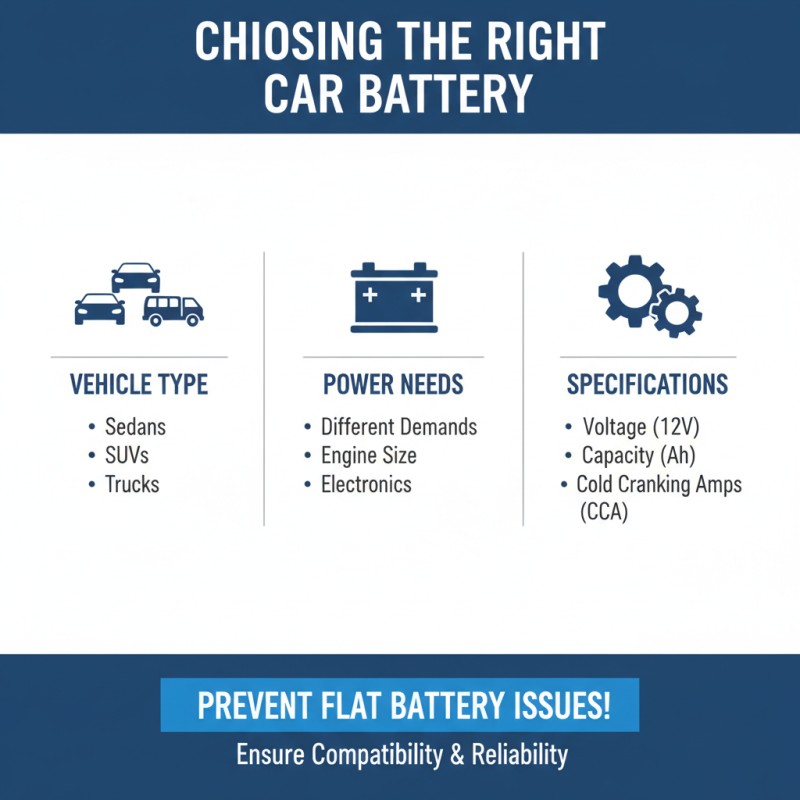
Choosing the right battery for your vehicle is crucial to prevent flat battery issues. When selecting a battery, consider the type of vehicle you drive. Sedans, SUVs, and trucks have different power needs. Understand the specifications like voltage and capacity. This ensures that the battery can handle the demands of your car.
Another aspect to consider is climate. Extremely hot or cold temperatures can affect battery performance. For example, batteries can drain more quickly in winter. It’s essential to choose a battery that can withstand your local weather conditions. Look for features that promise durability and optimal performance.
Regular maintenance is often overlooked. Simple tasks like checking terminals for corrosion can extend battery life. Effective cleaning can prevent buildup that affects connectivity. Pay attention to signs of a weak battery, such as slower engine cranking. Awareness is key to avoiding inconvenient situations. These small steps can help you avoid challenges down the road.