Top 10 Best Mobile Car Battery Options Available Today?
In today’s fast-paced world, a reliable mobile car battery is essential. Whether you're commuting to work or embarking on a road trip, you need assurance that your battery won't fail. The right choice can save you from unexpected delays and costly repairs.
Many factors influence the selection of a mobile car battery. Factors such as size, capacity, and temperature performance are key considerations. Some batteries are lightweight and compact, yet they still deliver impressive power. However, not all batteries offer the same longevity or efficiency. It's crucial to research and find the best fit for your vehicle.
Each option available has its strengths and weaknesses. Some may provide great performance in cold weather, while others excel in hot conditions. Customers often overlook warranty periods and brand reputation, both of which are significant. With our list of the top 10 best mobile car battery options, you’ll be equipped to make an informed decision. Choosing wisely can enhance your driving experience and peace of mind on the road.
Overview of Mobile Car Batteries: Importance and Features
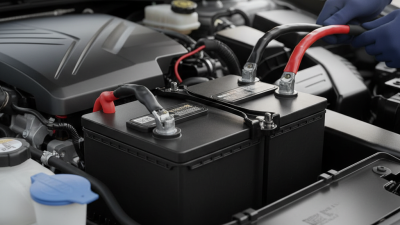
Mobile car batteries are essential for vehicle operation. They provide the necessary power to start engines and run electrical systems. A strong battery ensures reliability, particularly for mobile applications. According to industry reports, over 20% of roadside assistance calls are due to dead batteries. This highlights the importance of having a functioning battery.
Features of mobile car batteries include portability, lightweight design, and rapid charging capabilities. Most modern batteries are designed to withstand extreme weather conditions. A quality battery can last between 3 to 5 years, depending on maintenance and usage. However, around 30% of drivers neglect routine battery checks, risking unexpected failures.
Tips: Regularly inspect battery terminals for corrosion. Clean terminals to ensure good connections. Avoid leaving lights or electronics on when the engine is off, as this can drain the battery faster. Staying informed about your battery's health can prevent inconvenient situations. Testing the battery occasionally may seem tedious, but it can lead to peace of mind and improved vehicle performance.
Criteria for Selecting the Best Mobile Car Battery
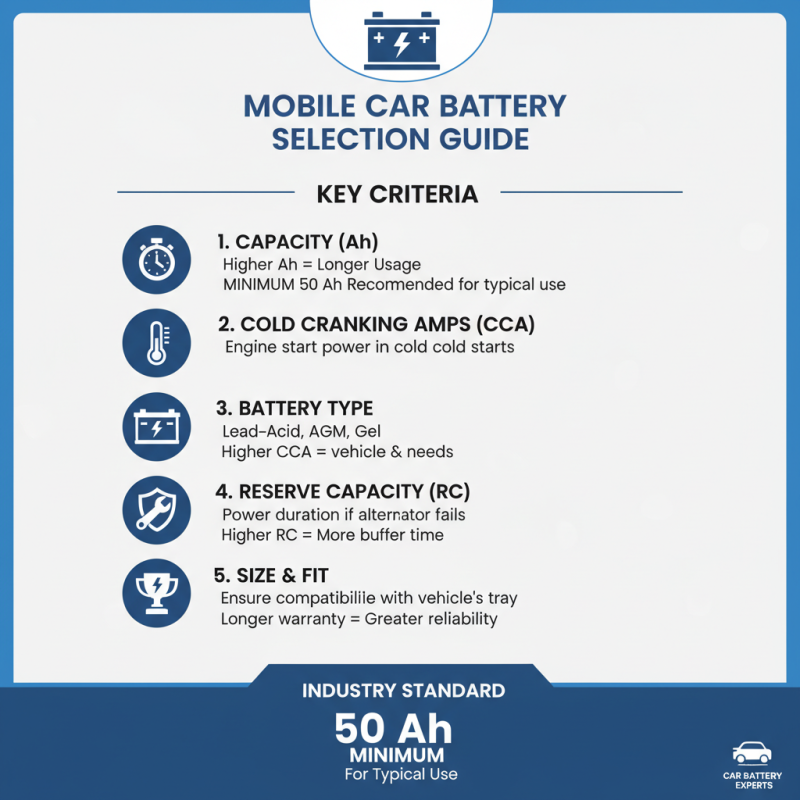
When selecting the best mobile car battery, it’s essential to consider several key criteria. First, look at the capacity measured in amp-hours (Ah). A higher Ah rating often means longer usage time. The industry standard indicates that a good mobile battery should ideally have a minimum of 50 Ah for typical use.
Another important factor is the cold cranking amps (CCA). This rating indicates how well the battery can start an engine in cold conditions. Data shows that a battery with at least 600 CCA is effective for most vehicles. Additionally, the lifespan of the battery is crucial for long-term performance. Most batteries last between three to five years under normal conditions.
Tip: Always check for a warranty. A longer warranty often suggests better reliability.
Lastly, weight plays a role in portability. Those batteries that are lightweight can offer easier transport, especially in emergencies. However, lighter batteries may lack the durability found in heavier models. Finding the right balance between weight and power output can be tricky.
Tip: Think about your car’s specific needs. An SUV may require different specifications than a compact car.
Top 10 Mobile Car Battery Brands and Models
When it comes to choosing a mobile car battery, various brands and models stand out in the market. Popular options include those with enhanced cold-cranking amps, which are crucial for performance in cold weather. Size and weight also matter; a lighter battery can improve your vehicle's efficiency. Keep in mind that not all batteries fit every car, so check compatibility.
Tips: Consider reading user reviews before making a decision. Real-world experiences can highlight potential issues you may not see in specifications. Some batteries, while cost-effective, may lack longevity.
Look out for models with a warranty. This can provide peace of mind when investing in a new battery. Maintenance is often overlooked. Regular checks on battery terminals and connections can prolong battery life. A clean connection ensures good performance. Don’t wait until your battery fails; proactive maintenance is key.
Comparative Performance Analysis of Selected Batteries
When choosing a mobile car battery, performance is key. A comparative performance analysis reveals varied results among available options. Temperature tolerance is crucial. Batteries handling extreme conditions outperform others. For instance, some models show a decline in efficiency at temperatures below 32°F.
Voltage stability plays a vital role, too. A reliable battery maintains voltage without spikes. Some batteries provide consistent power delivery, while others falter under load conditions. This disparity highlights the importance of checking voltage ratings. Reports show that nearly 25% of batteries fail during peak performance tests.
Weight may not seem critical but impacts overall vehicle efficiency. Lighter batteries enhance fuel economy, making them attractive to eco-conscious drivers. Yet, lighter doesn’t always mean better. Some lightweight options struggle with deep cycling. Thus, a balance between weight and performance should guide decisions. In every choice, lack of awareness about specific needs can lead to poor outcomes.
Top 10 Best Mobile Car Battery Options Performance Comparison
Tips for Maintaining and Extending Battery Life
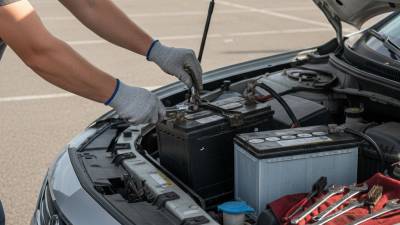
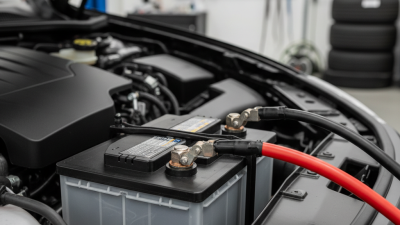
Maintaining your car battery is crucial for preventing unexpected breakdowns. One simple step is to regularly check the battery terminals. Clean them if you see corrosion. This helps ensure a good connection. Also, inspect the cables for any wear or fraying. A small problem can lead to bigger issues down the road.
Temperature changes can affect battery performance. In colder weather, batteries can lose power quickly. Keeping your vehicle in a garage or shaded area can help. Additionally, avoid short trips frequently. They don’t allow the battery to fully recharge. Longer drives are ideal for recharging and maintaining health.
Another key aspect is monitoring your battery’s age. Most batteries last around three to five years. After that, performance may decline. Consider replacing it proactively rather than waiting for failure. Check the battery regularly, and don’t hesitate to seek help if you notice any unusual signs. Extending battery life takes effort, but it pays off in reliability.
Top 10 Best Mobile Car Battery Options Available Today
| Battery Type |
Capacity (Ah) |
Cold Cranking Amps (CCA) |
Weight (lbs) |
Price Range ($) |
Warranty (Years) |
| Lead Acid |
75 |
650 |
40 |
100-150 |
2 |
| AGM |
80 |
700 |
45 |
150-200 |
3 |
| Lithium Ion |
100 |
800 |
30 |
200-300 |
5 |
| Gel |
70 |
600 |
43 |
90-120 |
2-4 |
| Starting/Stopping |
75 |
650 |
44 |
110-160 |
3 |
| Deep Cycle |
85 |
650 |
48 |
120-180 |
2-5 |
| High Performance |
78 |
700 |
46 |
130-170 |
3 |
| Cargo Battery |
90 |
750 |
50 |
140-200 |
4 |
| Compact Battery |
70 |
500 |
33 |
80-130 |
2 |
| Hybrid Battery |
85 |
700 |
42 |
150-220 |
3 |