What is the VW Amarok Battery and How to Replace It?
When it comes to maintaining your VW Amarok, understanding the VW Amarok battery is essential. A reliable battery ensures smooth performance and longevity of your vehicle. However, like all batteries, the VW Amarok battery doesn't last forever. Knowing when and how to replace it is crucial.
Many drivers overlook battery health until issues arise. A weak battery can lead to frustrating breakdowns. Signs of battery failure include dimming lights and slow engine cranks. Regular checks can save you from unexpected problems.
Replacing the VW Amarok battery might seem daunting. Yet, with basic tools and guidance, it can be done at home. Remember to focus on details during the replacement process. Incorrect installation could lead to further complications. Always take your time to ensure a proper fit.
What is the VW Amarok Battery and Its Specifications?
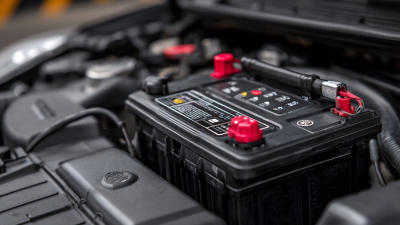
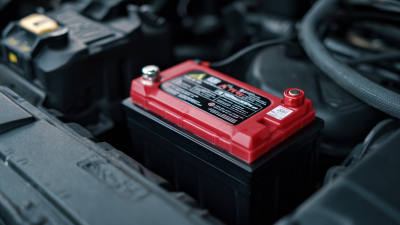
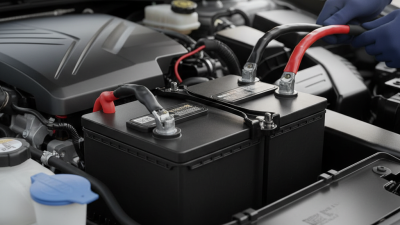
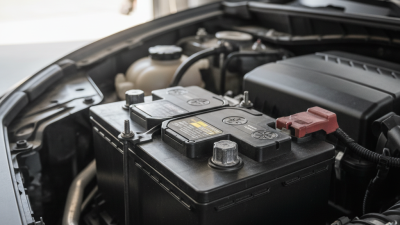
The VW Amarok battery is essential for powering the vehicle. This battery is typically a lead-acid type, offering reliable performance and durability. Knowing its specifications can help you choose the right replacement when needed. Most models feature a 12V battery with a capacity of around 75Ah. Some variations may exist, so always check your manual.
When replacing the battery, consider a few tips. First, ensure the vehicle is off and in a safe location. Use gloves and eye protection during the process. It’s important to disconnect the negative terminal first and then the positive terminal. This prevents accidental sparks.
Often, people overlook battery maintenance. Regular checks can prevent unexpected issues. Clean any corrosion from the terminals to ensure a good connection. If the battery is older than three years, check its performance regularly. Don’t hesitate to seek professional help if unsure about the replacement process. Having the right knowledge can save time and money.
Common Signs of Battery Failure in VW Amarok Vehicles
When it comes to the VW Amarok, recognizing battery failure is crucial. Many owners often overlook the signs, leading to unexpected breakdowns. One common indication is a slow engine crank. This typically means the battery's charge is lacking. According to industry data, over 25% of vehicle breakdowns are battery-related.
Another sign to watch for is dimming headlights. If your lights flicker or aren't as bright, the battery's voltage may be dropping. A properly functioning battery should maintain a steady output of 12.6 volts or more. When it drops below this threshold, it's time to investigate further.
Frequent jump-starts can also indicate battery issues. If drivers find themselves needing assistance multiple times a year, it could signal underlying problems. Research shows that batteries usually last three to five years, depending on usage and conditions. It’s essential to monitor the battery’s performance regularly. If these signs appear, proactive measures should be taken instead of waiting for complete failure.
Common Signs of Battery Failure in VW Amarok Vehicles
Step-by-Step Guide to Safely Replace the VW Amarok Battery
Replacing the battery in a VW Amarok is crucial for maintaining optimal vehicle performance. A typical battery lasts around three to five years, depending on usage and weather conditions. However, factors like temperature fluctuations can reduce this lifespan. Regular checks can help catch issues early. A high-quality battery ensures reliability, especially in colder climates, where battery performance can drop significantly.
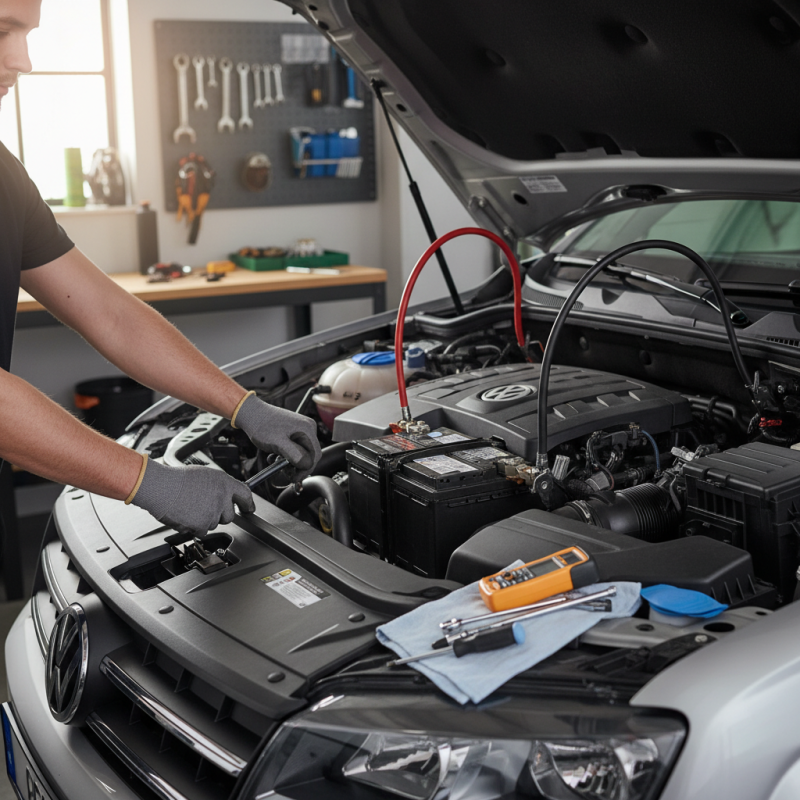
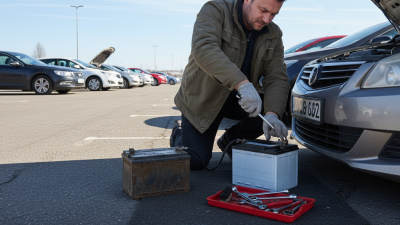
When it comes to replacement, safety is key. Start by gathering the necessary tools: a wrench, safety gloves, and goggles. Ensure the vehicle is turned off, with keys removed. Disconnect the negative terminal first to prevent any accidental short-circuiting. Then, remove the positive terminal. While replacing the battery, consider the connections. Corroded terminals can affect performance and should be cleaned. Install the new battery, ensuring a snug fit.
It’s important to properly dispose of the old battery. Many local recycling centers accept batteries, but not all. Check the regulations in your area. Mismanagement can lead to environmental hazards. A safer, smarter approach is always to stay informed and vigilant. Keeping your vehicle's battery in check is part of responsible maintenance.
What is the VW Amarok Battery and How to Replace It? - Step-by-Step Guide to Safely Replace the VW Amarok Battery
| Step |
Action |
Tools Required |
Safety Tips |
| 1 |
Turn off the ignition |
N/A |
Ensure the vehicle is in park |
| 2 |
Open the hood |
N/A |
Use gloves to avoid sharp edges |
| 3 |
Disconnect the negative terminal |
Wrench |
Be cautious of battery acid |
| 4 |
Disconnect the positive terminal |
Wrench |
Avoid letting tools touch both terminals |
| 5 |
Remove the battery hold-down clamp |
Socket set |
Lift carefully to avoid injury |
| 6 |
Lift out the old battery |
N/A |
Get help if the battery is heavy |
| 7 |
Install the new battery |
N/A |
Ensure proper orientation |
| 8 |
Reattach the battery hold-down clamp |
Socket set |
Check that it’s secure |
| 9 |
Reconnect the positive terminal |
Wrench |
Ensure the connection is tight |
| 10 |
Reconnect the negative terminal |
Wrench |
Avoid short-circuiting |
| 11 |
Close the hood |
N/A |
Ensure nothing is in the way |
Recommended Tools and Equipment for Battery Replacement
Replacing the battery in a vehicle is crucial for performance. The
VW Amarok's battery plays a key role in starting the engine and powering electronics.
To ensure a smooth replacement process, having the right tools and equipment is essential. A multi-tool socket set is important for battery terminal connections.
A battery wrench is also necessary. Don’t forget safety goggles and gloves to protect yourself.
Consider using a battery terminal cleaner. This helps avoid corrosion and maintains optimal contact. A battery tester can help assess the new battery's health before installation.
An industry report from the Automotive Battery Association (ABA) indicates that about 25% of vehicle breakdowns stem from battery issues.
Proper maintenance and timely replacement can help reduce these statistics.
Before starting, it's best to check if the battery is securely held in place. Sometimes, mounting brackets rust or weaken. Loose batteries can cause vibration, leading to premature failure.
This detail is often overlooked but can save drivers from future headaches. A well-equipped toolkit can make this task easier and prevent future mistakes.