Top 5 Ways to Fix a Flat Battery and Get Your Car Running Again
When faced with the frustrating issue of a flat battery, knowing the right steps to take can make all the difference in getting your car back on the road. According to battery expert, Dr. Emily Carter, "Understanding the signs of a flat battery and acting promptly can save you from a lot of trouble." Whether you’re rushing to work or heading out for a weekend drive, a flat battery can unexpectedly thwart your plans. This expertise highlights the importance of being well-prepared and informed about the best methods to remedy this common automotive dilemma.
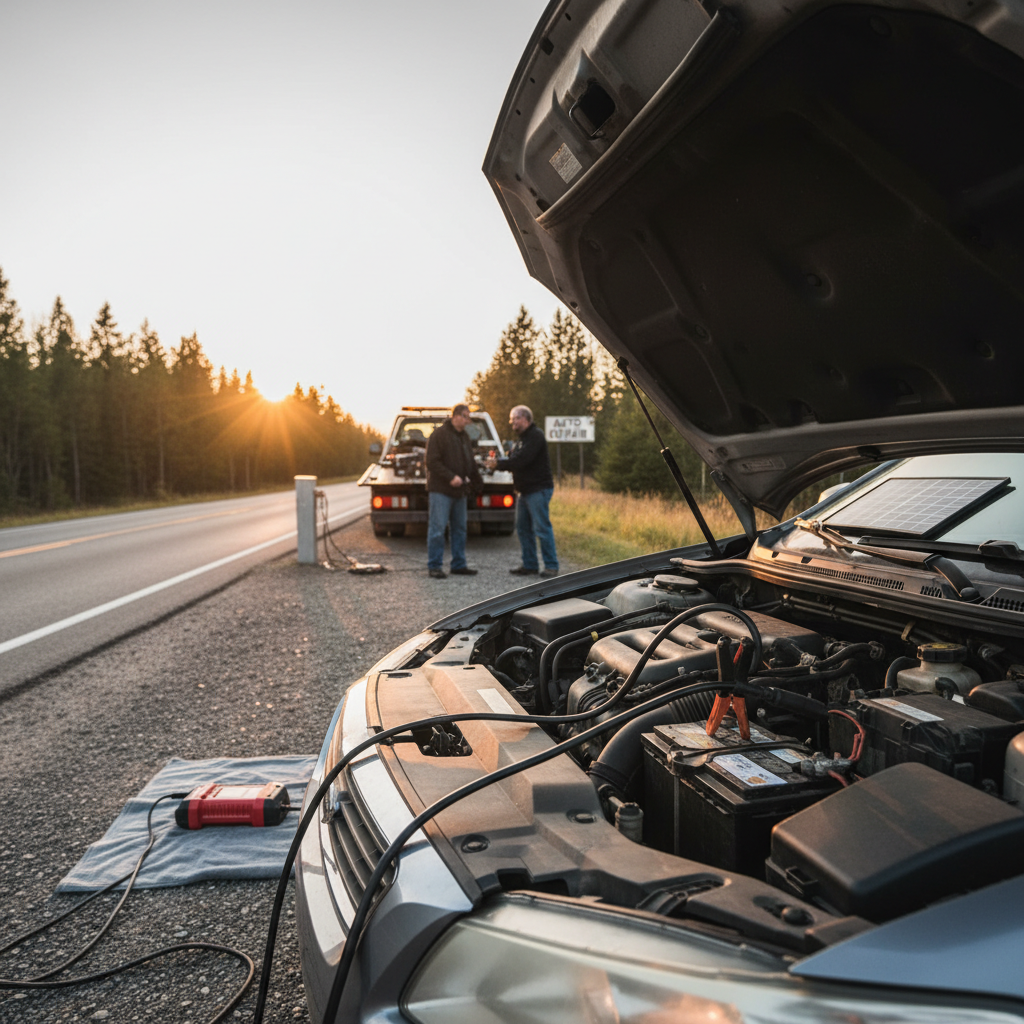
In this guide, we will explore the top five ways to fix a flat battery, ensuring that you’re equipped with practical solutions to regain your vehicle's functionality. From jump-starting techniques to preventive maintenance tips, each method offers a unique approach to tackling a dead battery situation. By following these guidelines, you can confidently address a flat battery issue and minimize the stress that comes with it. Let’s delve into these effective strategies that not only help you in the moment but also educate you on better battery management for the future.
Quick Battery Jump-Start Techniques for Immediate Power Restoration
A flat battery can leave drivers stranded, but with the right jump-start techniques, restoring power can be a quick task. According to recent data, nearly
50% of vehicle breakdowns are attributed to battery issues, making efficient emergency procedures essential for drivers.
Basic knowledge of how to jump-start a car can be a lifesaver, especially considering that industry experts recommend checking battery health regularly to prevent unexpected failures.
When faced with a flat battery, the first step is ensuring safety by parking in a well-lit area away from traffic, if possible.
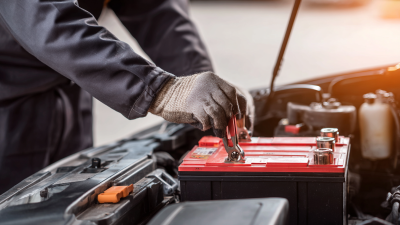
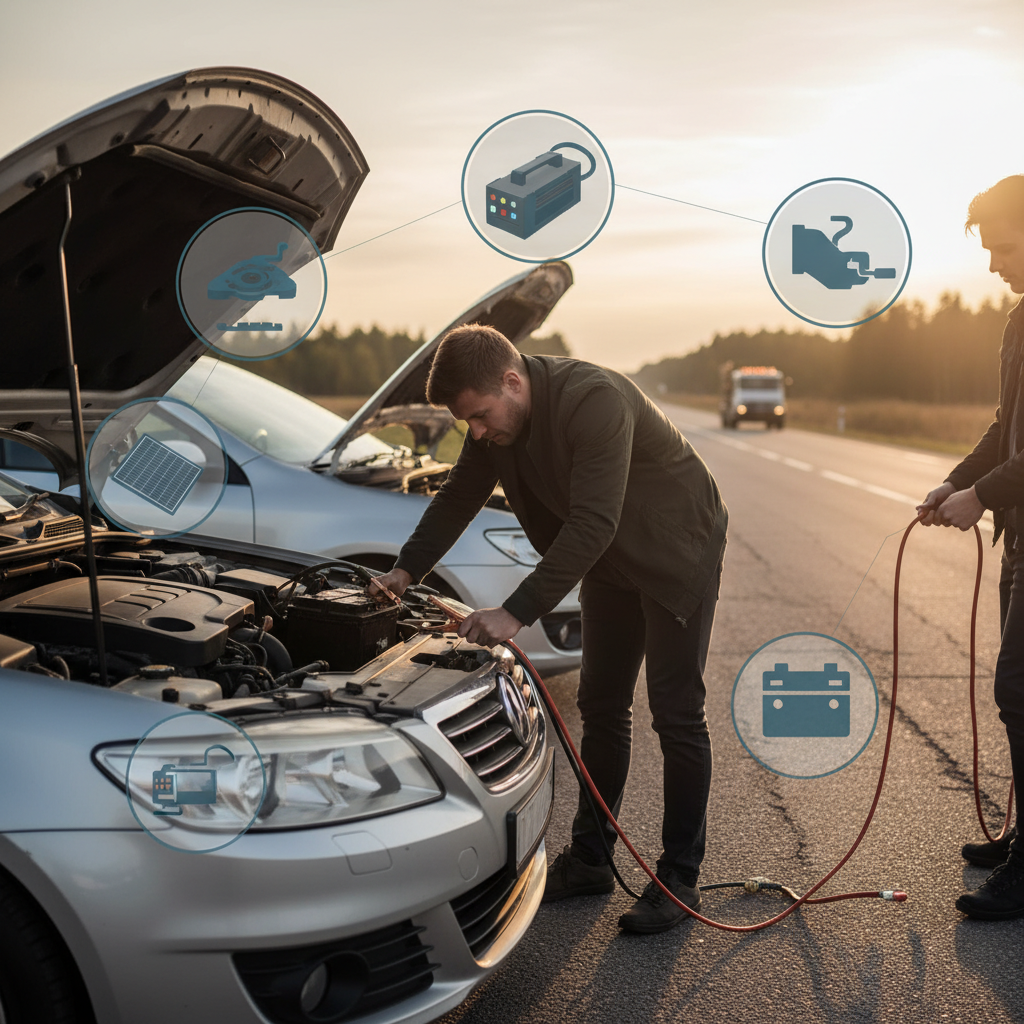
Connecting jumper cables to the dead battery and a functional battery requires precision—
red to positive on both batteries and
black to negative on the functioning battery, then clamping the other end to a grounded metal surface on the dead car.
This method follows guidelines from automotive experts, emphasizing that incorrect connections can lead to serious damage.
Interestingly, statistics reveal that the proper use of jump-start techniques can revive a stalled vehicle in over
70% of cases, highlighting the importance of knowing what to do when things go wrong.
Essential Tools You Need for Efficient Battery Troubleshooting
When dealing with a flat car battery, having the right tools at your disposal can significantly simplify the troubleshooting process. At the very least, you should have a set of jumper cables readily available. These cables are essential for jump-starting your vehicle using another car's battery, helping to revive your flat battery with ease. Ensure the cables are in good condition, as worn or damaged cables can lead to ineffective connections.
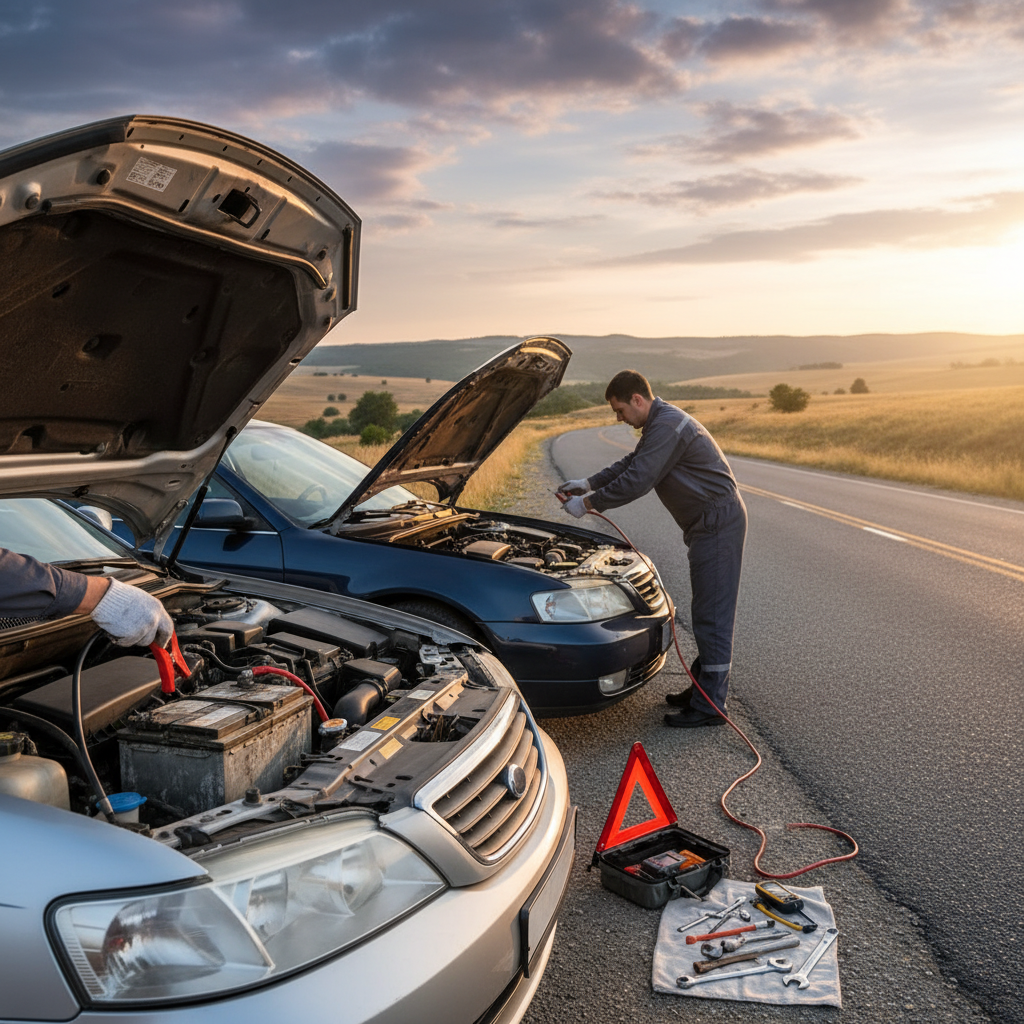
In addition to jumper cables, a multimeter is a useful tool for diagnosing battery issues. This device allows you to check the battery's voltage, helping you determine whether the problem lies with the battery itself or another component of the electrical system. A battery tester is also beneficial; it can assess the health of your battery to inform you if a replacement is necessary. Finally, consider having a portable battery charger on hand. This can be especially handy for those who frequently experience battery issues, enabling you to charge the battery at your convenience, without relying on another vehicle. With these tools, you can efficiently address battery problems and get back on the road.
Step-by-Step Guide to Inspecting and Testing Your Car Battery
When dealing with a flat battery, the first step is to inspect the battery terminals for any signs of corrosion or loose connections. Begin by turning off the vehicle and using a cloth to clean the terminals if they appear dirty. Ensure that the connections are tight, as loose terminals can prevent the battery from delivering power effectively. If corrosion is present, a mixture of baking soda and water can be used to clean the terminals, followed by a thorough rinse with water.
Next, testing the battery's voltage is crucial to determine its condition. Using a multimeter set to the DC voltage setting, touch the red probe to the positive terminal and the black probe to the negative terminal. A healthy, fully charged battery should read around 12.6 volts. If the reading is significantly lower, the battery may be discharged and require charging or, in some cases, replacement. Additionally, if the battery is older than three to five years, it's wise to consider its overall health and potential need for replacement, as battery performance can decline with age.
How to Safely Charge a Flat Battery Using a Battery Charger
Charging a flat battery can be a straightforward process if done safely and correctly. When using a battery charger, it's essential to select the right charger for your battery type. According to recent statistics, improper charging methods are a leading cause of battery-related fires, particularly with lithium-ion batteries. A report from the California Department of Fire Safety highlighted that misuse or incorrect charging of such batteries could lead to significant fire hazards, urging users to adhere strictly to manufacturer guidelines.
In light of the increasing regulations regarding lithium-ion battery safety, starting from 2024, all lithium batteries and chargers will require CCC certification. The implementation of these regulations reflects a growing concern about safety in the usage of rechargeable batteries not just in electric bikes, but across devices, including mobile power banks. This new oversight will ensure that consumers are protected against products that do not meet safety standards, emphasizing the importance of using certified products when charging batteries to prevent accidents and enhance reliability.
Preventive Measures to Avoid Future Flat Battery Issues
To prevent future flat battery issues, regular maintenance of your vehicle's battery is essential. Start by checking the battery terminals for corrosion and ensuring a snug connection. Cleaning the terminals with a mixture of baking soda and water can help maintain a good connection, ultimately prolonging the battery's life. Additionally, inspect the battery regularly for any signs of wear or damage, which can indicate the need for replacement before issues arise.
Another preventive measure is to practice good driving habits. Frequent short trips can prevent the battery from fully charging, leading to a flat battery over time. Try to combine errands or take longer drives to allow the battery to recharge completely. Additionally, using accessories such as headlights, air conditioning, and heated seats judiciously can reduce the overall load on the battery. Finally, investing in a smart battery charger can be beneficial, especially if your vehicle is not used frequently, as it maintains the battery’s charge during long periods of inactivity.