Top 10 Multi Pair Instrumentation Cable Manufacturers
Choosing a Multi Pair Instrumentation Cable manufacturer is not just a matter of comparing catalog prices. The cable must carry reliable signals through the actual conditions of an industrial site. Pair count, conductor size, insulation material, shielding, and drain-wire design all affect performance and installation. Small details matter.
This guide introduces ten manufacturers for buyers comparing product range, technical documentation, customization, and service. A useful comparison looks beyond a polished website. Check datasheets for operating temperature, voltage rating, conductor resistance, and shield coverage. Ask whether the listed construction matches your project specification, especially when cables will run near motors, variable-frequency drives, or other sources of electrical noise. These checks help narrow choices, but they cannot replace engineering review.
No single supplier fits every project. Some buyers need a broad stock range; others need a specific jacket, conductor configuration, or delivery schedule. Manufacturing capacity and regional support can also change the practical value of an otherwise suitable product. This overview is a starting point, not a substitute for verifying current specifications and sample performance. A shortlist can still miss important differences. That is worth remembering.
The manufacturers are presented to support an informed first comparison, not to declare a universal winner. Before purchasing, confirm the cable’s construction, documentation, and availability directly with the supplier. A careful review may take longer, but it can prevent costly mismatches between the drawing and the cable installed on site.
What Multi-Pair Instrumentation Cables Are and Where They Are Used
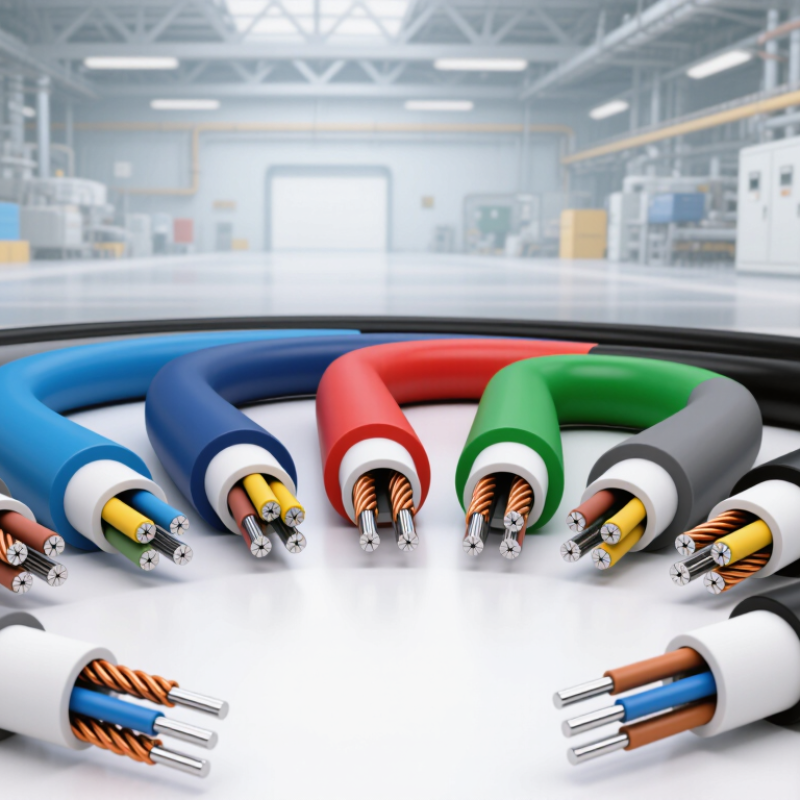
Multi-pair instrumentation cables carry several individually insulated conductor pairs within one outer sheath. Each twisted pair typically carries a low-level signal, with twisting helping reduce electrical noise picked up along the route. Depending on construction, an overall or individual shield can provide added protection from interference. The cable also simplifies installation by grouping related circuits under one jacket. It is not always the easiest choice. Dense bundles can be harder to trace unless pairs and terminations are clearly labeled. A small detail, but it saves time during commissioning and maintenance.
They are commonly used between field instruments and control rooms in process plants, water-treatment facilities, power stations, and manufacturing lines. A run might connect pressure transmitters, temperature sensors, flow meters, or valve-position feedback to monitoring equipment. Some installations need individual pair screening; others use an overall shield, depending on noise exposure and signal requirements. Routing cables away from high-current conductors often helps, even with shielding. Check the required conductor size, pair count, insulation rating, and outer jacket for site conditions. Heat, moisture, chemicals, and movement can change what is suitable. Datasheets guide selection, but actual tray space and termination practice deserve attention too. Field conditions can be messier than drawings suggest.
Key Standards and Features of Multi-Pair Instrumentation Cables
Multi-pair instrumentation cables carry low-level control and measurement signals, so construction details matter. Twisted pairs help reduce induced noise, while individual pair shields can limit crosstalk between circuits. An overall foil or braid shield offers another barrier. Check that the drain wire and shield arrangement suit the grounding plan; more shielding is not automatically better.
Conductor requirements may refer to IEC 60228, which classifies conductor construction and resistance. Where fire performance matters, project specifications may call for tests such as IEC 60332 for flame propagation, IEC 60754 for halogen acid gases, or IEC 61034 for smoke density. These are not blanket requirements. Confirm the applicable edition and test category against the installation specification. Small wording differences matter.
Look closely at pair identification, conductor size, insulation, jacket rating, and temperature range. On a crowded tray, clear numbering and a jacket that resists abrasion can save time during termination. Keep bend radius and pulling tension within the cable maker’s stated limits. Easy to overlook. A useful specification also states whether screens are required per pair, overall, or both. Site conditions vary, and a cable that performs well in a dry control room may not suit a damp outdoor route. Verify the datasheet and test records before purchase.
Criteria for Evaluating Multi-Pair Cable Manufacturers
Criteria for Evaluating Multi-Pair Cable Manufacturers
A reliable manufacturer should provide clear specifications for conductor size, pair count, insulation, shielding, and operating temperature. These details matter when cables run beside motors, pass through trays, or carry low-level signals over long distances. Grand View Research estimated the global wire and cable market at USD 202.05 billion in 2023, with projected growth through 2030. This broad market figure is not a quality score, but it underlines why buyers should compare technical evidence, not just price.
Ask for test reports covering conductor resistance, insulation integrity, capacitance, and shield continuity. Check that sample results match the published datasheet, and confirm how production batches are traced. A manufacturer should also explain its testing methods and applicable standards, such as IEC 60228 for conductor characteristics. Look closely at pair identification and twist consistency; small variations can complicate installation and signal performance. Certifications are useful, but they do not replace cable-specific test records. No checklist is perfect. I would still request a sample reel before a large order.
Tips: Compare like with like. Confirm the same conductor size, shielding, and test conditions across quotations. Ask how the manufacturer handles nonconforming batches, and keep the answer in writing.
Profiles of Ten Leading Multi-Pair Instrumentation Cable Manufacturers
Top 10 Multi Pair Instrumentation Cable Manufacturers
Profiles of Ten Leading Multi-Pair Instrumentation Cable Manufacturers
These ten manufacturer profiles compare practical strengths, rather than relying on marketing claims. The review considers pair counts, conductor sizes, insulation materials, shielding, and documented test performance. Some suppliers focus on demanding process environments; others offer broad cable ranges for general industrial installations. A useful profile also notes customization options, lead times, and the clarity of technical support. A neat datasheet is helpful, but it cannot prove how a cable performs after years beside motors or in a damp tray.
Market context matters, but broad figures need careful interpretation. Grand View Research valued the global wire and cable market at USD 202.4 billion in 2023 and forecast a 4.5% compound annual growth rate from 2024 to 2030. This figure covers many cable categories, not instrumentation cable alone. It signals a large, evolving sector, but does not identify the best supplier for a specific project. Compare manufacturer claims against current datasheets and independent test documentation. Check conductor resistance, capacitance, operating temperature, and shielding details against the installation’s actual requirements.
Tips: Request a sample and verify its markings before approval. Check how the shield is terminated. Small details matter. A profile may look complete, yet omit field feedback; that gap deserves attention.
Comparing Manufacturers by Product Range, Quality, and Global Reach
Top 10 Multi Pair Instrumentation Cable Manufacturers
Comparing manufacturers means looking beyond catalog size. A useful shortlist covers different pair counts, conductor sizes, insulation materials, shielding options, and jacket types. Check whether each supplier provides clear datasheets and can adapt cable construction to the installation environment. A broad range matters, but only when specifications are easy to verify. Small details count.
Quality is easier to assess through evidence than confident claims. Review test reports, material traceability, dimensional tolerances, and stated operating temperatures. Ask how samples are inspected and how production changes are documented. No comparison is perfect; published information may not reveal every factory practice. Global reach also involves more than shipping. Regional technical support, reliable lead times, and consistent documentation can make a real difference when projects cross borders.
Tips: Compare the same cable specifications across suppliers. Request a sample and inspect its markings, shielding, and jacket finish. Confirm delivery timelines in writing. A polished catalog is useful, but it cannot replace a practical review. One overlooked requirement can change the choice.