Top Tips to Stop Start Car Battery Issues for a Smooth Ride?
The evolution of automotive technology has led to the increasing use of stop start car battery systems. These systems can reduce fuel consumption by approximately 5-10%, according to industry reports. However, they also introduce unique challenges for drivers. Many face unexpected battery failures, dampening the benefits of fuel efficiency.
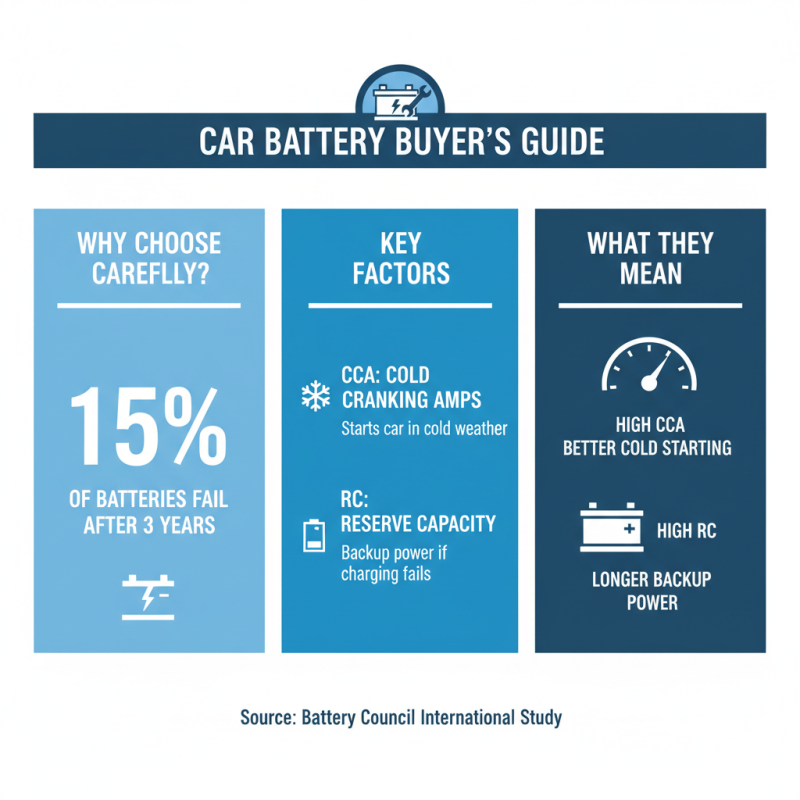
Statistics reveal that 30% of stop start car batteries fail prematurely. This failure often stems from improper maintenance and lack of awareness. Understanding the intricacies of these batteries is crucial for a smooth driving experience. Regular checks and awareness of battery health can prevent inconvenient breakdowns.
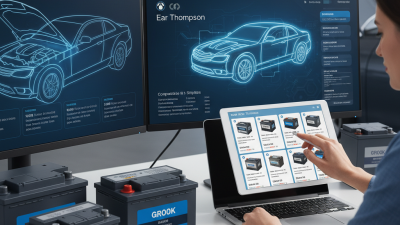
Investing in reliable stop start car batteries is essential. Drivers should pay attention to environmental factors, such as temperature extremes, which can affect battery performance. Additionally, opting for high-quality batteries can significantly enhance longevity, ensuring a seamless and efficient ride.
Common Symptoms of Car Battery Issues You Should Know
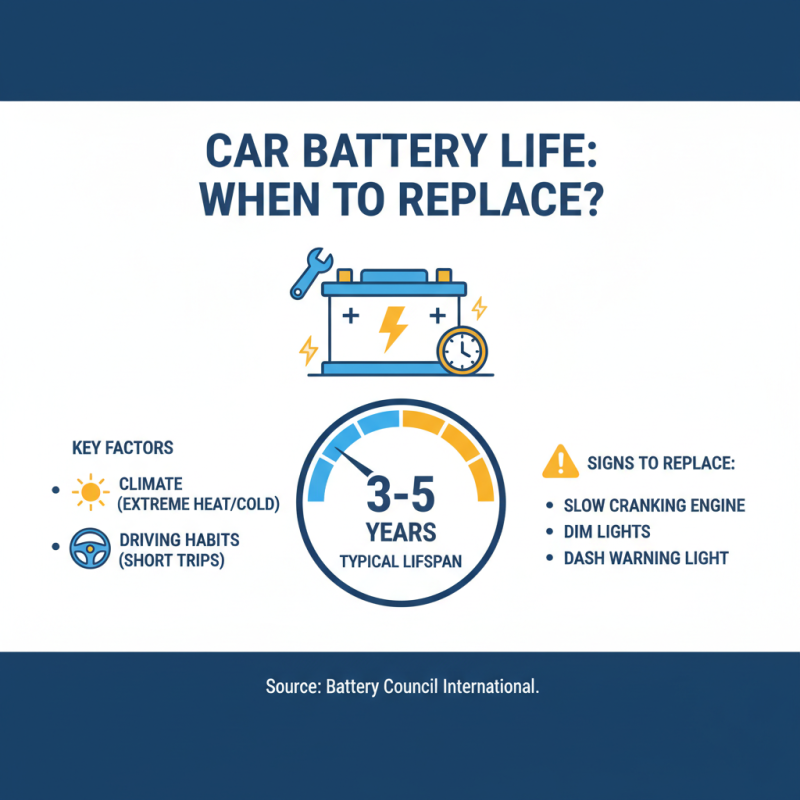
Car battery issues can show up in various ways. A struggling engine to start is a common symptom. You might notice slow cranking when you turn the key. Sometimes, the dashboard lights may flicker or dim. These signs often hint at a weakening battery.
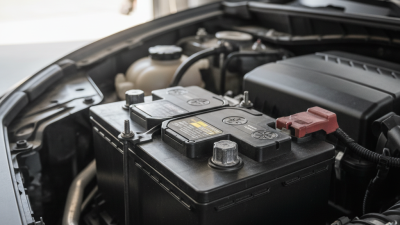
Another indicator is corrosion on battery terminals. A white, chalky substance can build up around connections. This buildup can hinder proper electrical flow. Pay attention to any unusual smells as well. A rotten egg odor may signal a leaking battery.
You might also experience electrical problems. Dimming headlights or malfunctioning power windows are red flags. If the battery consistently dies overnight, something is clearly wrong. Ignoring these warnings may lead to more serious issues. Regular checks can prevent major headaches down the road.
Understanding How Extreme Weather Affects Your Car Battery Performance
Extreme weather has a significant impact on car battery performance. Studies show that very high and low temperatures can reduce battery efficiency. For instance, a report by the Battery Council International indicates that cold weather can reduce a battery's capacity by up to 60%. This means that your battery will struggle to start the engine, especially in freezing conditions.
Hot weather presents its own challenges. High temperatures accelerate the chemical reactions inside the battery. This can lead to greater evaporation of the electrolyte, reducing battery life. In fact, a study from the American Automobile Association found that a battery exposed to heat can last up to 30% shorter than one kept in moderate temperatures. Drivers often overlook these factors until it's too late, resulting in unexpected breakdowns.
Maintaining your car battery in extreme weather is essential. Regular checks are crucial, especially before seasonal changes. Adding battery maintenance to your routine can make a noticeable difference. For example, cleaning terminals and ensuring a secure connection can prevent premature failures. Monitoring the battery's age is vital too. Most batteries last three to five years, depending on use and climate. Being proactive is key to avoiding frustrating start issues.
Essential Maintenance Tips to Extend Your Battery Life
Car battery maintenance is crucial for a smooth ride. Studies show that poorly maintained batteries can lead to unexpected failures, often in critical situations. Keeping your battery in top shape can enhance longevity and reliability. Here are some essential tips to help extend your battery life.
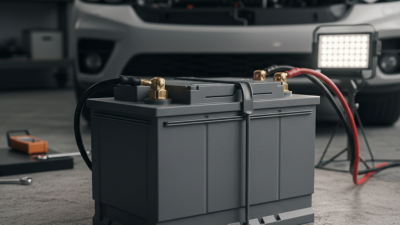
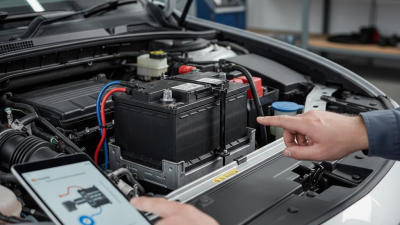
Regularly check your battery connections. Loose or corroded cables can cause charging issues. A simple inspection can save you from an inconvenient breakdown. Clean the terminals annually and ensure they are tight. Use a mixture of baking soda and water to remove corrosion effectively.
Avoid
short trips. Frequent short drives prevent your battery from fully charging. According to industry reports, short trips can reduce battery life by over 30%. Aim for longer drives when possible. This helps the battery maintain its charge efficiently. Consider
investing in a battery maintainer if your car sits idle for long periods.
Lastly, monitor your battery's age. Batteries typically last 3-5 years. After that, they may become unreliable. Conduct regular checks, especially as they age. This proactive approach can save time and hassle on the road. Remember, a
little maintenance goes a long way to prevent headaches later on.