What is an SUV Battery? Understanding Types, Lifespan, and Maintenance Tips
An SUV battery is a crucial component that powers various features and systems in sport utility vehicles, ensuring they operate smoothly and efficiently. Unlike conventional car batteries, SUV batteries are designed to meet the higher energy demands of these larger vehicles, which often include advanced technology and additional electrical features. Understanding the different types of SUV batteries available in the market is essential for owners who want to ensure optimal performance and longevity.
The lifespan of an SUV battery can vary significantly depending on several factors, including usage patterns, climate, and maintenance practices. Proper care and timely maintenance are vital in extending the life of an SUV battery, preventing unexpected breakdowns, and ensuring the vehicle's reliability. In this article, we will delve into the specifics of SUV batteries, examining their types, average lifespan, and essential maintenance tips to help you make informed decisions regarding your vehicle’s power source. Whether you are a new SUV owner or looking to enhance your existing knowledge, this guide aims to provide valuable insights into the world of SUV batteries.
What Defines an SUV Battery? Key Features and Specifications
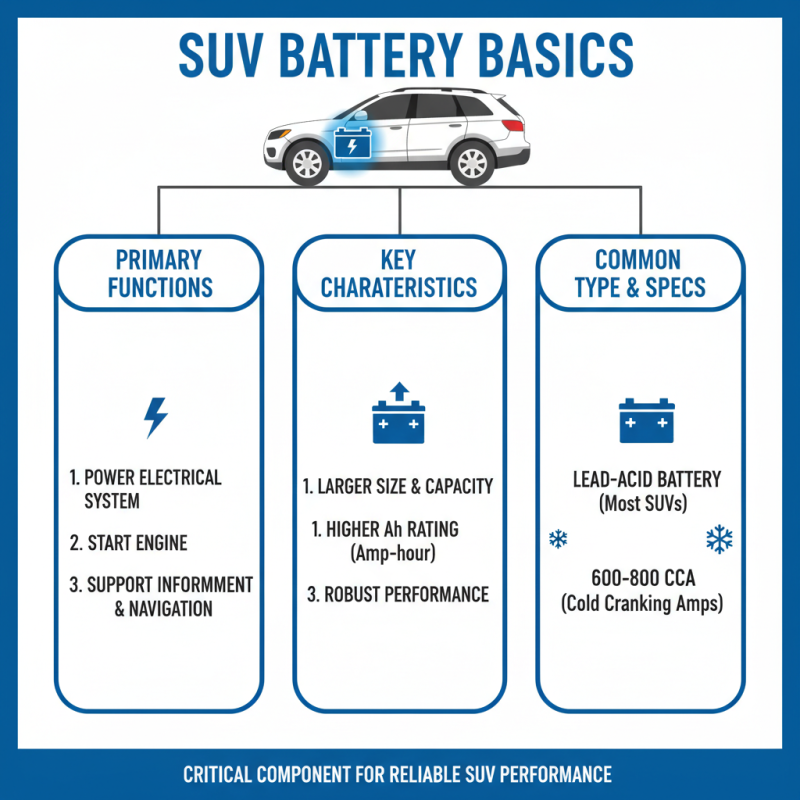
An SUV battery is a critical component that powers the vehicle's electrical system, starting the engine and supporting various functions like infotainment and navigation systems. Defined primarily by its size, capacity, and type, an SUV battery typically has a larger amp-hour (Ah) rating compared to standard passenger vehicle batteries. Studies indicate that most SUVs utilize lead-acid batteries, which commonly feature a rating between 600 to 800 cold cranking amps (CCA), providing robust performance under varying temperature conditions.
In recent years, there has been a noticeable shift towards lithium-ion batteries in some SUV models, driven by a growing emphasis on efficiency and longer lifespan. Lithium-ion batteries can offer up to three times the energy density of conventional lead-acid batteries, leading to enhanced fuel efficiency and reduced weight. According to the U.S. Department of Energy, while traditional lead-acid batteries last approximately 3-5 years, advancements in technology mean that lithium-ion options can easily last 8-10 years with proper maintenance. Key specifications to consider when evaluating an SUV battery include reserve capacity, which determines how long the battery can power a vehicle's electrical systems when the engine isn't running, and the warranty period, which can indicate the manufacturer's confidence in their product's longevity. Understanding these features is essential for making informed choices about battery maintenance and replacement in SUVs.
Types of SUV Batteries: A Comprehensive Overview
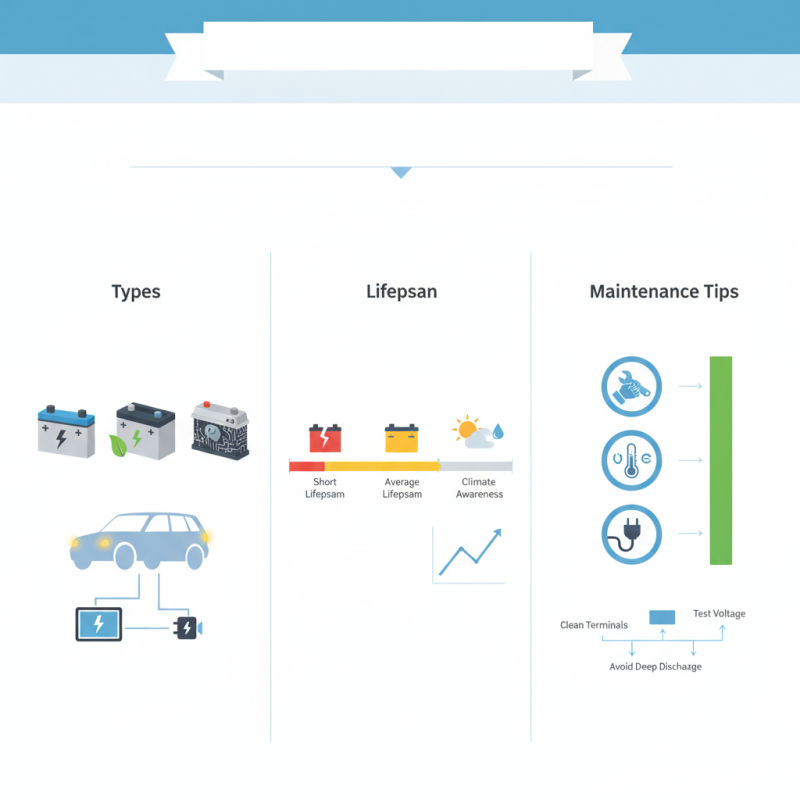
When it comes to SUV batteries, the type you choose can significantly affect your vehicle's performance and efficiency. Typically, there are three main types of batteries used in SUVs: lead-acid, AGM (Absorbent Glass Mat), and lithium-ion. Lead-acid batteries are the most conventional and are favored for their affordability and reliability. According to the Battery Council International, around 60% of vehicles on the road still utilize these batteries due to their long-standing history and proven performance.
On the other hand, AGM batteries have gained popularity in recent years, especially in modern SUVs equipped with advanced electronics and start-stop systems. They are designed to withstand deeper discharges and provide a higher power output, making them ideal for SUVs that demand more from their power sources. A report by the International Energy Agency indicates that AGM batteries are expected to dominate the automotive market, due to their superior cycling capabilities and low self-discharge rates, expanding their usage in premium and high-performance vehicles.
Lastly, lithium-ion batteries, though less commonly used in traditional SUVs, are becoming more prevalent in electric SUVs and hybrids. They offer high energy density and longer lifespan, contributing to the overall efficiency of these vehicles. According to a study by the Automotive Battery Association, lithium-ion batteries have demonstrated a lifespan of approximately 8-15 years, depending on usage and maintenance practices, making them an attractive option for environmentally conscious consumers looking to reduce their carbon footprint. Understanding these types of SUV batteries is crucial in making informed decisions for vehicle maintenance and performance.
Understanding the Lifespan of SUV Batteries: Factors and Expectations
The lifespan of an SUV battery can vary significantly based on multiple factors, including the type of battery, driving habits, and maintenance practices. Generally, a well-maintained SUV battery can last between three to five years. Factors such as extreme temperatures, frequent short trips, and the age of the battery can influence its overall longevity. Heat can accelerate the corrosion of battery components, while excessive cold can hinder its ability to deliver power effectively.
To maximize the lifespan of your SUV battery, consider implementing a few simple maintenance tips. First, make it a habit to check the battery terminals for corrosion and clean them regularly. Ensure the connections are tight to avoid power loss. Additionally, if you frequently use your SUV for short trips, aim to take longer drives occasionally to allow the battery to fully recharge. Finally, keep an eye on your battery’s age; if it’s nearing the three-year mark, consider scheduling a professional inspection to assess its condition. Taking these steps can help extend your battery's life and improve your vehicle's overall performance.
Essential Maintenance Tips for Extending Your SUV Battery Life
To extend the lifespan of your SUV battery, regular maintenance is crucial.
Begin by inspecting battery terminals for corrosion, which can impede electrical connections. A mixture of baking soda and water can often effectively clean the terminals.
Ensure that the connections are tight to avoid any power loss that could affect your vehicle's performance.
Additionally, keeping your SUV battery fully charged is vital. Short trips can prevent the battery from reaching its optimal charge, leading to premature wear.
Whenever possible, consider using a battery maintainer during longer periods of inactivity, especially in extreme weather conditions.
Properly maintaining the electrolyte levels in non-sealed batteries is also important.
Check these levels regularly and top them off with distilled water if necessary, as this helps in maintaining the battery’s efficiency and longevity.
Signs Your SUV Battery Needs Replacement: Warning Indicators to Watch For
When it comes to understanding the health of your SUV battery, it's essential to recognize the warning signs that indicate it may be time for a replacement. According to industry reports, an SUV battery typically lasts between three to five years, but factors like climate, driving habits, and maintenance can significantly impact this lifespan. One of the first indicators of a deteriorating battery is slow engine cranking, where you may notice a hesitation in the engine's ignition response. This can often be attributed to weakened battery cells which no longer hold a sufficient charge.
Other warning signs include the presence of corrosion around battery terminals, which can impede electrical flow. Visual inspections often reveal a white, powdery substance around connections, indicating that the battery may be leaking acid. Additionally, if your SUV's electrical accessories—such as headlights, dashboard lights, or the radio—flicker or behave erratically, it may signal that the battery is struggling to provide adequate power. Industry surveys indicate that approximately 30% of vehicle breakdowns are linked to battery issues, emphasizing the importance of being mindful of these warning indicators. Regular checks and maintenance can help extend battery life and ensure your vehicle remains reliable on the road.
What is an SUV Battery? Understanding Types, Lifespan, and Maintenance Tips - Signs Your SUV Battery Needs Replacement: Warning Indicators to Watch For
| Battery Type |
Lifespan (Years) |
Maintenance Tips |
Warning Indicators for Replacement |
| Lead-Acid |
3-5 |
Regular checks, keep terminals clean, ensure proper charge |
Slow engine crank, dim headlights, warning light on dashboard |
| Absorbent Glass Mat (AGM) |
4-7 |
Check for leaks, keep charged, use compatible charger |
Swelling or bulging, corrosion on terminals, reduced power |
| Lithium-Ion |
8-10 |
Avoid deep discharge, store in cool place, check for updates |
Battery management system warning, overheating during charge |
| Nickel-Metal Hydride (NiMH) |
5-7 |
Keep terminals clean, avoid extreme temperatures, ensure proper charging |
Decreased vehicle performance, warning lights, difficulty starting |