Stop Start Car Battery Benefits for 2026 Models Why Switch?
The automotive industry is rapidly shifting towards more efficient technologies. Among these innovations is the stop start car battery, a crucial component for modern vehicles. For 2026 models, this technology promises enhanced fuel efficiency and reduced emissions.
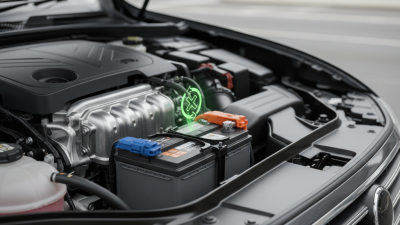
Stop start car batteries play a key role in optimizing engine performance. They allow engines to shut off during idle periods, like at traffic lights, and restart instantly. This feature conserves fuel and minimizes wear on the engine. In an era where sustainability matters, such advancements are invaluable for reducing carbon footprints.
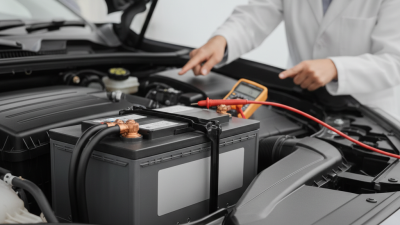
However, there are challenges that come with these batteries. Some drivers may find the constant starting and stopping disconcerting. Additionally, these batteries require specific maintenance practices to ensure longevity. Understanding these nuances is essential for maximizing the benefits of stop start technology.
Benefits of Stop Start Technology in 2026 Car Models
Stop start technology represents a significant advancement in automotive engineering. In 2026 car models, this feature enhances efficiency and reduces emissions. By automatically shutting off the engine during idle times, such as at traffic lights, vehicles conserve fuel. This leads to a noticeable decrease in fuel consumption over time. Drivers may find this especially useful in urban environments where stop-and-go traffic is common.
While the technology shows impressive benefits, some drivers may experience minor challenges. For example, the automatic restart of the engine can feel abrupt. It may take time for certain drivers to adjust to these changes. Additionally, the system's performance can vary depending on external conditions. Understanding these nuances is crucial for a smooth transition to a more sustainable driving experience.
There are also long-term financial advantages to consider. While initial costs may rise, the savings in fuel can offset these expenses. Furthermore, government incentives may support the adoption of stop start systems. As 2026 models continue to evolve, drivers should weigh both the benefits and potential drawbacks.
Comparison of Stop Start Batteries vs. Traditional Car Batteries
Stop-start technology is transforming the automotive landscape. For 2026 models, switching to stop-start batteries offers clear advantages. These batteries are designed to manage the frequent engine restarts, improving fuel efficiency by up to 10% in city driving. This reduction in fuel consumption can significantly lower CO2 emissions, enhancing sustainability. Data from the International Council on Clean Transportation indicates that vehicles equipped with stop-start systems can reduce urban greenhouse gas emissions by approximately 15%.
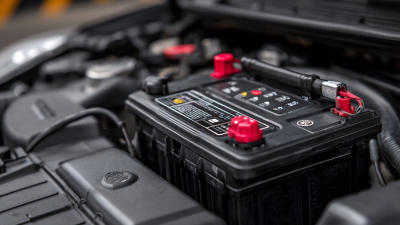
Comparing stop-start batteries to traditional car batteries reveals key differences. Traditional batteries primarily support starting the engine and powering accessories. They often struggle with the demanding cycling inherent in stop-start systems. Research shows that stop-start batteries typically utilize absorbent glass mat (AGM) technology, enhancing their capacity to handle the cycles of operation. Their lifespan can exceed that of conventional batteries by up to 50%, which is critical for long-term reliability.
Despite these benefits, there are limitations to consider. The initial cost of stop-start batteries may be higher, and not all vehicles benefit equally from this technology. Additionally, some drivers may need to adjust driving habits to maximize advantages. Thus, while the technology shows promise, ongoing evaluation and adaptation are essential for widespread acceptance.
Environmental Impact of Stop Start Systems in Modern Vehicles
The environmental footprint of modern vehicles is a growing concern. Stop-start systems in cars significantly reduce emissions. These systems cut off the engine when the vehicle stops, reducing fuel consumption. When the driver accelerates again, the engine restarts seamlessly. This technology minimizes pollution in urban areas, especially during traffic jams. It also contributes to less greenhouse gas emission overall.
However, there are challenges to consider. The batteries used for stop-start systems endure more stress than traditional ones. Frequent shut-off and restart cycles can lead to quicker battery wear. This means that while the immediate environmental benefits are clear, there may be a need for more robust battery technology. Research continues to improve these systems. The aim is to enhance both efficiency and longevity. Transitioning to stop-start systems is a step in the right direction, but it's vital to address these drawbacks.
Cost Savings Associated with Stop Start Battery Technology
The introduction of stop-start car battery technology in 2026 models brings significant cost savings. This innovation allows vehicles to shut off the engine during idle periods. It conserves fuel, reduces emissions, and enhances overall efficiency. As gas prices remain volatile, drivers will appreciate the financial relief provided by this system.
Relying on stop-start batteries can also decrease wear and tear on the engine. Frequent starts and stops can lead to significant mechanical strain. By minimizing engine on-time, this technology promotes a longer lifespan for key vehicle components. It’s a practical approach for those concerned about maintenance costs.
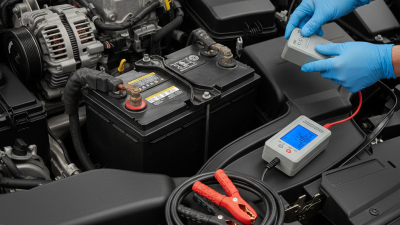
When considering a switch, think about your driving habits. If you often find yourself in urban settings, stop-start technology can make a notable difference. Understand how your vehicle responds to stop-start functions, as it may take some adjustment. Regularly check your battery's health. Not all batteries handle the stop-start system equally well. This knowledge can lead you to make informed choices.
Future Trends in Automotive Battery Technology for 2026 Models
The automotive landscape is rapidly evolving, particularly in the realm of battery technology for 2026 models. One key trend involves the integration of advanced stop-start systems. These systems improve fuel efficiency and reduce emissions by automatically shutting off the engine during idling. As manufacturers work to enhance these features, advancements in battery technology will be crucial. Enhanced lead-acid and lithium-ion batteries can cater to the demands of these systems, providing quicker responses and longer lifespans.
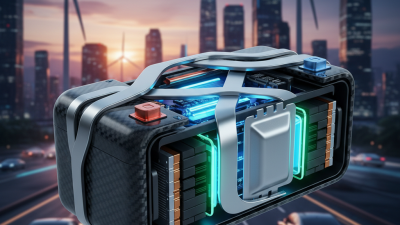
Another trend is the focus on solid-state batteries. Unlike traditional lithium-ion batteries, solid-state variants offer higher energy densities and improved safety. Their unique construction minimizes risks of leaks and combustibility. This shift could significantly impact the driving range and charging times for future vehicles. However, the road to widespread adoption is not without challenges. Vendors must address cost and manufacturing scalability. As the industry pushes forward, collaboration among players will be critical.
As we move closer to 2026, the industry's approach to battery technology will shape the way vehicles perform and operate. Embracing innovative solutions will provide both opportunities and hurdles. With every advancement, there are questions to ponder. Are we fully prepared for these changes? How will consumer habits adapt? The answers are as crucial as the technologies themselves.