What Is a Stop Start Battery and How Does It Work?
A stop start battery is designed for vehicles that frequently switch the engine off at traffic lights, junctions, or in slow-moving traffic. Unlike a conventional starter battery, it must deliver repeated bursts of power without losing reliability. It also supports electrical equipment while the engine is stopped. That pause matters.
The system works through several coordinated parts. When the vehicle stops, the engine control unit checks conditions such as battery charge, cabin temperature, brake pressure, and engine warmth. If the conditions are suitable, it shuts the engine down. Pressing the accelerator, releasing the brake, or engaging the clutch triggers a restart. The battery supplies energy to the starter motor, while the alternator restores charge during driving and braking.
In practical use, the difference can be felt at a busy intersection. The engine becomes quiet, dashboard systems remain active, and the engine restarts within seconds. However, a stop start battery is not simply a stronger version of a standard battery. Absorbent Glass Mat and Enhanced Flooded Battery designs handle cycling differently, so the correct replacement depends on the vehicle manufacturer’s specifications. Using the wrong type may cause poor performance or premature failure.
The explanation sounds simple, but real-world behavior is less tidy. Cold weather, short trips, heavy electrical loads, and an aging battery can prevent the system from activating. That does not always indicate a fault. Manufacturer service information and professional battery testing provide the safest guidance. Drivers should also remember that fuel savings vary with traffic, weather, and driving habits. Stop-start technology can be useful, though its benefits are often smaller than advertisements suggest.
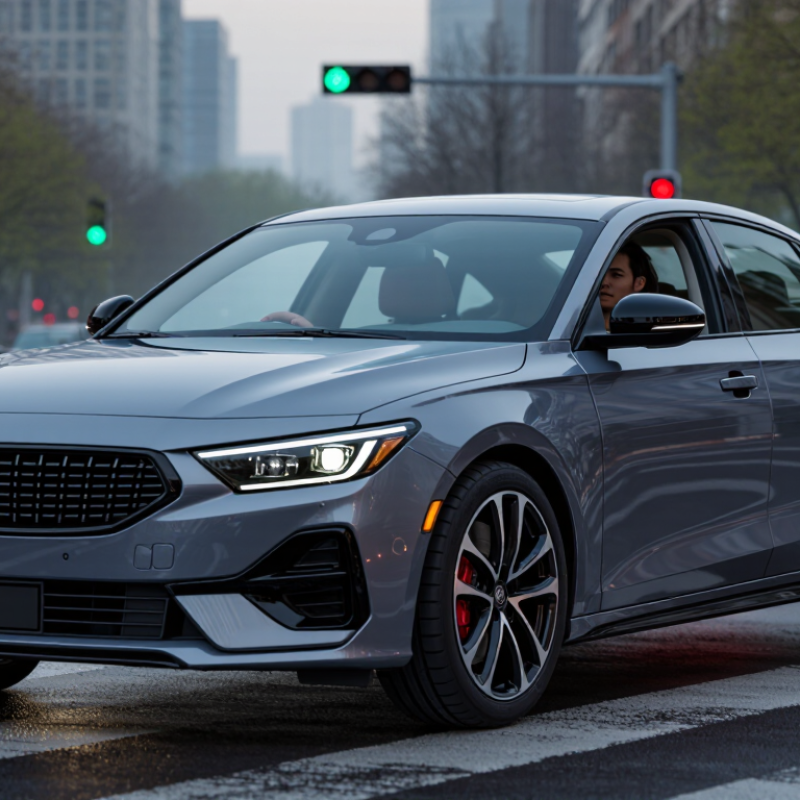
What Is a Stop-Start Battery?
A stop-start battery is a vehicle battery designed for frequent engine restarts. Unlike a conventional battery, it may restart the engine dozens of times during one urban journey. It also powers lights, climate controls, and safety systems while the engine is temporarily off. Most systems use enhanced flooded batteries or absorbed glass mat batteries. These designs accept charge quickly and tolerate repeated cycling better. They are not interchangeable in every vehicle. The charging system, battery sensor, and control software must match.
The U.S. Department of Energy reports that idling can consume up to 0.5 gallons of fuel per hour, which explains the appeal of stop-start systems.
The Battery Council International 2023 National Recycling Rate Study reports a 99% recycling rate for lead-acid batteries in the United States.
However, fuel savings depend on traffic, temperature, and driving habits. That figure supports the battery’s established recovery network, but it does not remove maintenance concerns. Short trips can prevent full recharging. Cold mornings expose weakness quickly.
A technician should test battery capacity, charging voltage, and the battery monitoring sensor before replacement. A small mistake matters. One overlooked setting may disable the system or create warning lights.
Personally, I would not judge battery health from starting performance alone; modern stop-start batteries can appear normal until their reserve capacity has already declined.
How Stop-Start Batteries Work
A stop-start battery is designed for vehicles that regularly switch the engine off at traffic lights and restart it within seconds. Unlike a conventional starting battery, it must handle many more charge and discharge cycles. It also supports lights, climate controls, and electronics while the engine is temporarily stopped.
When the vehicle slows, sensors monitor speed, brake pressure, engine temperature, battery charge, and cabin demand. If conditions are suitable, the control system stops fuel delivery and shuts down the engine. The battery then supplies electricity to essential systems. When the driver releases the brake or presses the accelerator, the starter motor receives power and quickly restarts the engine. The process feels simple, but several sensors and control units must respond at the same moment.
Charging is equally important. The alternator may reduce output during acceleration and increase it during braking or coasting. This helps recover energy and protects fuel economy. Enhanced flooded batteries or absorbed glass mat batteries are commonly used because they tolerate frequent cycling better. However, battery performance still depends on temperature, driving distance, and electrical load. Short trips can leave the battery undercharged. That is easy to overlook. In practice, a weak battery may cause the stop-start function to disable itself, which is a protective response rather than an immediate fault. Technicians should test the battery with equipment that matches its design, not rely only on voltage readings. Expect some variation. Real-world traffic is less predictable than laboratory testing.
What Is a Stop-Start Battery and How Does It Work?
A stop-start battery is designed to power the vehicle’s electrical systems while the engine is temporarily off and to deliver repeated high-current engine restarts. The chart shows representative voltage changes during one stop-start event in a typical 12-volt vehicle electrical system.
When the vehicle stops, the engine switches off and the battery supports accessories such as lighting, climate control and infotainment. During cranking, voltage briefly drops because the starter motor draws substantial current. After the engine restarts, the alternator raises system voltage to recharge the battery. Enhanced flooded and absorbent glass mat batteries are commonly designed for this repeated cycling duty.
Main Types of Stop-Start Batteries
What Is a Stop-Start Battery and How Does It Work?
A stop-start battery powers a vehicle when the engine shuts off at traffic lights. It also restarts the engine quickly when the driver releases the brake. Unlike a standard battery, it handles frequent cycling, vibration, and repeated electrical loads. In daily driving, the difference becomes clear during busy city traffic.
Main Types of Stop-Start Batteries
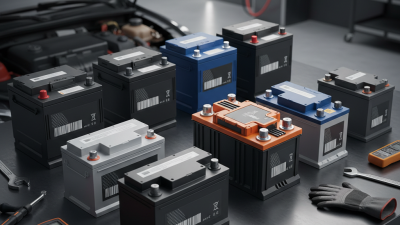
Enhanced Flooded Batteries, or EFBs, are designed for basic stop-start systems. They offer stronger cycling ability than conventional flooded batteries. EFBs suit vehicles with moderate electrical demand and regular urban driving.
Absorbent Glass Mat batteries, called AGMs, provide higher performance. Their electrolyte is held in glass separators, which improves resistance to vibration and deep cycling. AGMs support vehicles with heavier electrical loads, regenerative braking, and advanced comfort systems.
Choosing the wrong type can cause poor starting, shortened battery life, or charging problems. This detail is often overlooked.
Tips: Check the vehicle’s original battery technology before replacement. Do not downgrade an AGM system to an EFB without technical approval. Measure battery voltage, charging performance, and resting current. A battery may appear healthy yet fail after several short trips. Keep terminals clean and firmly secured. Very cold weather exposes weak batteries quickly. When uncertain, consult a qualified technician and follow the vehicle manufacturer’s service data.
Battery Maintenance and Replacement Considerations
A stop-start battery supports repeated engine restarts in traffic. It also powers lights, screens, and safety systems while the engine is temporarily off. Unlike a conventional battery, it handles frequent charging and discharging cycles.
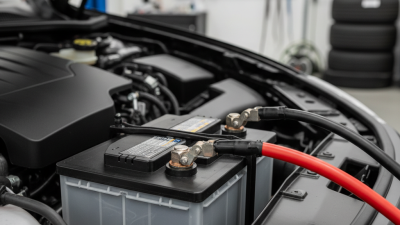
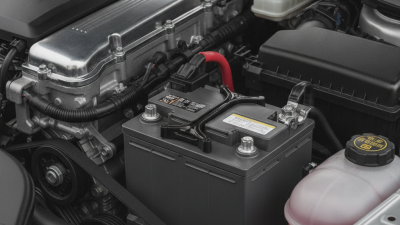
Battery maintenance deserves careful attention. Inspect the terminals for white or green corrosion, and check that the case has no swelling or cracks. A loose connection can imitate a weak battery. Keep the terminals clean and dry. Short journeys may prevent full recharging, especially in cold weather. A workshop load test is more reliable than judging battery health by starting speed alone. I have seen batteries start an engine normally, then fail days later. That experience is easy to underestimate.
Tips: Check the battery before winter. Avoid leaving lights or accessories on. Ask for a charging-system test during servicing. If the stop-start function stops working, do not assume the battery is the only cause.
Replacement timing depends on climate, driving habits, and electrical demand. Many batteries last three to five years, but harsh heat can shorten that period. Use the correct battery type and capacity listed for the vehicle. Some vehicles need battery monitoring-system calibration after replacement. Without it, charging may be inaccurate and battery life may suffer. Replacement is not always complicated, but the specification must be exact. Even a small mismatch can affect starting performance and stop-start operation.