How to Stop and Start a Car Battery Effectively for Best Performance
In today’s automotive landscape, the integration of stop start car battery systems has become increasingly vital for enhancing vehicle efficiency and reducing environmental impact. According to a report by MarketsandMarkets, the global automotive battery market is projected to reach $87.6 billion by 2025, driven largely by advancements in stop-start technology. This innovation not only contributes to fuel savings—by shutting off the engine during idle periods—but also plays a crucial role in lowering carbon emissions, aligning with global regulatory standards for sustainability.
Furthermore, a study by the International Council on Clean Transportation revealed that implementing stop start technology can improve fuel efficiency by up to 10% in urban driving conditions. This is particularly relevant as more cities impose stringent emission regulations, prompting manufacturers to adopt enhanced battery solutions to meet compliance. Therefore, understanding the best practices for stopping and starting a car battery is essential for maximizing performance, longevity, and operational efficiency. By honing in on effective strategies for maintaining stop start car battery systems, automotive professionals and consumers alike can ensure optimal performance in their vehicles while contributing positively to the environment.
Understanding Car Battery Basics for Optimal Performance
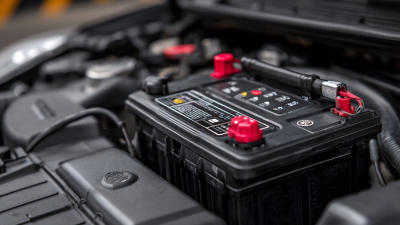
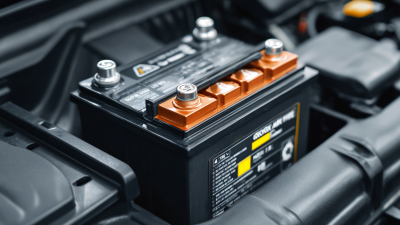
Understanding the fundamentals of car batteries is crucial for ensuring optimal performance and longevity. A car battery serves as the core component that provides electrical energy for starting the engine and powering electrical systems. Typically, a standard lead-acid battery has a lifespan of 3 to 5 years, but factors such as temperature fluctuations and charging habits can greatly influence this duration. According to a report by the Battery Council International, approximately 25% of batteries fail due to improper maintenance, highlighting the importance of understanding the basics of battery care.
To enhance your battery's performance, it is essential to implement a few straightforward tips. Regularly check the battery terminals for corrosion and clean them to ensure efficient electrical flow. Moreover, maintaining a full charge is vital; a battery that is frequently discharged below 50% can shorten its lifespan significantly. Research from the University of Michigan notes that batteries maintained at optimal charge levels can last up to 30% longer than those that are not.
Lastly, temperature management plays a critical role in battery health. Extreme heat can accelerate battery aging, while excessive cold can hinder its ability to start the engine. It's advisable to park your vehicle in a shaded area or use a battery insulation wrap to safeguard against temperature extremes. By adopting these practices, you can significantly improve the performance and lifespan of your car battery.
Steps to Safely Disconnect a Car Battery
When it comes to working with a car battery, safety is paramount. To safely disconnect a car battery, start by ensuring the vehicle is turned off and parked on a level surface. Engage the parking brake and wear safety gloves and goggles to protect yourself from potential acid splashes. Begin with the negative terminal—using a wrench, loosen the nut and gently remove the cable. This step is crucial as it minimizes the risk of short-circuiting. After disconnecting the negative terminal, proceed to the positive terminal following the same method.
Tips: Always ensure that you do not touch both terminals simultaneously with a metal tool, as this could create a spark or short circuit. Also, keep the battery terminals clean and free from corrosion, as this can affect the connection quality and battery performance.
Once the battery is disconnected, you can proceed with your intended maintenance or replacement tasks. When reattaching the battery, remember to connect the positive terminal first followed by the negative terminal. This approach helps to reduce the chance of accidents or shorts and ensures optimal battery performance. Finally, check all connections and ensure they are tightened securely before starting your vehicle.
How to Stop and Start a Car Battery Effectively for Best Performance - Steps to Safely Disconnect a Car Battery
| Step |
Description |
Safety Tips |
Tools Needed |
| 1 |
Turn off the engine and remove the key. |
Ensure the vehicle is parked in a well-ventilated area. |
N/A |
| 2 |
Locate the battery and identify the terminals. |
Check for corrosion on terminals. |
Flashlight |
| 3 |
Disconnect the negative terminal first. |
Use insulated tools to avoid shorts. |
Wrench / Socket set |
| 4 |
Disconnect the positive terminal. |
Do not touch any metal parts while doing this. |
N/A |
| 5 |
Remove the battery safely from the vehicle. |
Lift with your legs to avoid strain. |
Gloves |
| 6 |
To reconnect, start with positive terminal. |
Make sure the battery is stable before connecting. |
Wrench / Socket set |
| 7 |
Reconnect negative terminal last. |
Avoid touching metallic parts during connection. |
N/A |
How to Effectively Reconnect a Car Battery
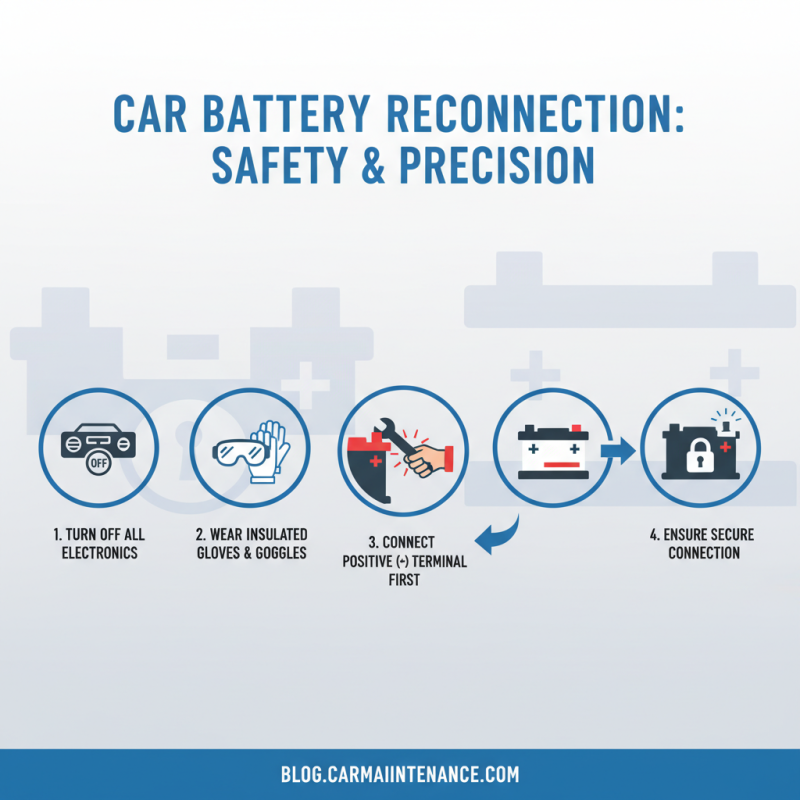
When it comes to effectively reconnecting a car battery, safety and precision are paramount. Start by ensuring that all electronic components in the vehicle are turned off to prevent any electrical surges or short circuits. Wearing insulated gloves and goggles can protect you from any accidental sparks or battery acid. Begin the reconnection process by first connecting the positive terminal of the battery, ensuring that it is securely fastened to avoid any potential disconnection while driving.
After securing the positive terminal, proceed with the negative terminal. This step is crucial as it helps to ground the battery, minimizing the risk of electrical shock. Make sure the connection is tight and free from corrosion, which can hinder performance. Once both terminals are securely in place, it's a good practice to double-check that any tools used during the process are removed from the engine bay, allowing for a clutter-free environment. With the battery properly reconnected, you can now turn the ignition and ensure that everything is functioning smoothly.
Tips for Testing Battery Voltage and Health
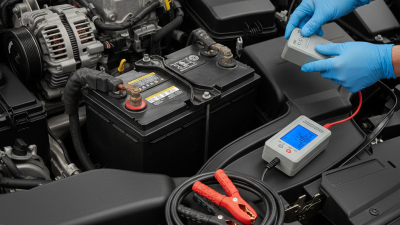
Testing the voltage and health of your car battery is essential for ensuring optimal performance. Start by using a multimeter to measure the battery voltage. To do this, set the multimeter to the DC voltage setting and connect the red lead to the positive terminal and the black lead to the negative terminal of the battery. A healthy, fully charged battery typically shows a voltage between 12.6 to 12.8 volts. If the reading is significantly lower, this could indicate that the battery is discharged and may need charging or even replacement.
In addition to measuring voltage, it’s important to check the battery’s overall health. Visual inspections can reveal signs of corrosion around the terminals or leaking fluids, both of which can compromise performance. Additionally, consider conducting a load test with a battery tester. This involves simulating the battery's performance under load to see if it can maintain adequate voltage. A well-functioning battery should not drop below 9.6 volts during this test. Regularly testing your battery’s voltage and conducting health checks ensures that your vehicle starts reliably and performs efficiently.
Best Practices for Maintaining Battery Performance
Maintaining car battery performance is crucial for ensuring that your vehicle runs smoothly and reliably. According to the Battery Council International, approximately 25% of all roadside breakdowns are caused by battery-related issues, which emphasizes the importance of proper battery care. Regular inspections and maintenance can significantly extend the lifespan of a battery, which typically lasts between three to five years. This includes checking for corrosion, ensuring clean and tight connections, and monitoring fluid levels in non-sealed batteries.
Using a battery maintainer can also enhance performance, especially for vehicles that are not driven regularly. A study by the Electric Power Research Institute highlights that maintaining a battery at a full charge can increase its life expectancy by up to 30%. Moreover, keeping the battery clean and free of debris helps the vehicle's electrical system function efficiently, reducing the risk of a sudden failure. Implementing these best practices ensures that drivers can rely on their vehicle's battery, preventing unexpected trips to the mechanic and enhancing overall vehicle safety.
Car Battery Performance Over Time