Why Does My Mazda CX-5 Battery Die So Fast? Common Causes and Solutions
The Mazda CX-5 is a popular compact SUV known for its performance, comfort, and style. However, many owners have reported experiencing issues with their Mazda CX-5 battery dying unexpectedly, which can be both frustrating and inconvenient. Understanding the common causes of battery failure in the Mazda CX-5 is essential for preventing such issues and maintaining the vehicle's reliability.
In this article, we will explore several factors that contribute to the rapid depletion of the Mazda CX-5 battery. From electrical system drains to environmental influences, recognizing these potential problems can help users take proactive measures. Additionally, we will provide practical solutions to extend the life of your Mazda CX-5 battery, ensuring that your vehicle remains ready to hit the road whenever you are. Whether you're facing frequent jump-starts or simply want to ensure your battery remains healthy, this guide will offer valuable insights and tips.
Common Symptoms of a Dying Mazda CX-5 Battery
When dealing with a vehicle's battery issues, it's essential to recognize the common symptoms that indicate a dying battery. One of the most noticeable signs is the difficulty in starting the engine. If you find that the engine cranks slowly or takes longer than usual to start, this can signal that the battery is no longer holding a full charge and may need replacement. Additionally, if the dashboard warning lights flicker or fail to illuminate as expected, it may also imply battery-related problems.
Another symptom to watch for is the presence of electronic malfunctions within the vehicle. Issues such as dimming headlights or erratic behavior from electronic components like the radio or air conditioning can indicate that the battery's power output is inconsistent. Furthermore, if you notice a swollen or disfigured battery casing, it could be a sign of internal damage, which can lead to a complete battery failure. Paying attention to these warning signs can help prevent unexpected battery issues and ensure your vehicle operates smoothly.
Most Common Reasons for Fast Battery Drain in Mazda CX-5
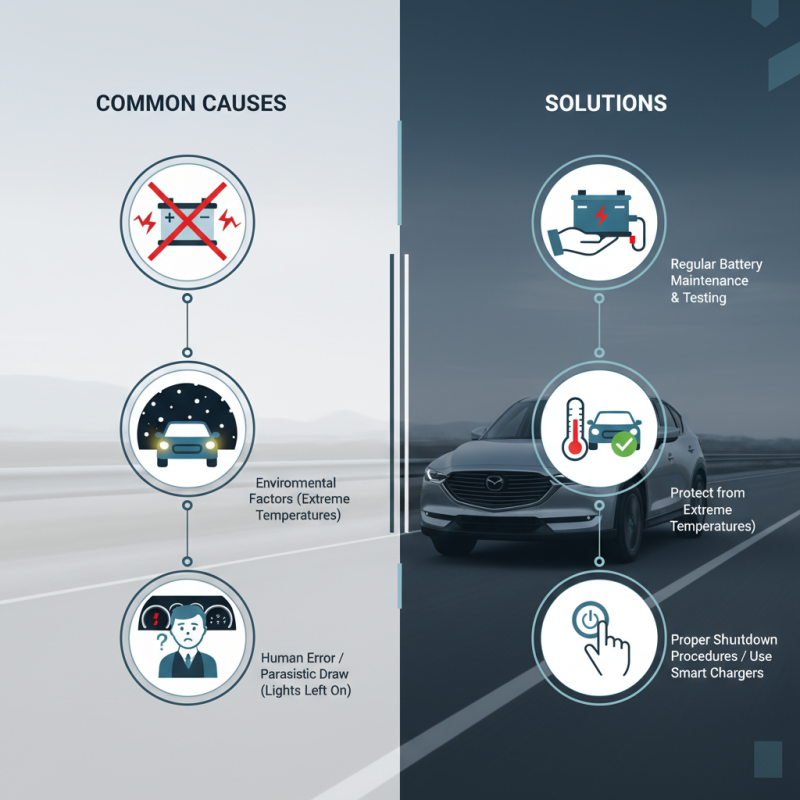
When it comes to battery drain in your vehicle, several factors can contribute to the problem. One of the most common reasons for a rapid battery drain is the presence of parasitic draws. These hidden electrical loads can continue to draw power even when the vehicle is turned off.
Common culprits include interior lights, trunk lights, and aftermarket accessories that may not turn off as intended. Identifying and addressing these draws can often resolve the issue and prolong battery life.
Another significant factor is the age and condition of the battery itself. Batteries typically have a finite lifespan, often ranging from three to five years depending on usage and climate conditions. If your battery is nearing the end of its life or has not been properly maintained, it may struggle to hold a charge effectively.
Additionally, extreme temperatures can adversely affect battery performance, leading to quicker discharge rates. Regularly checking battery health and replacing it when necessary is vital to prevent unexpected failures.
Impact of Electrical Components on Battery Life in Mazda CX-5
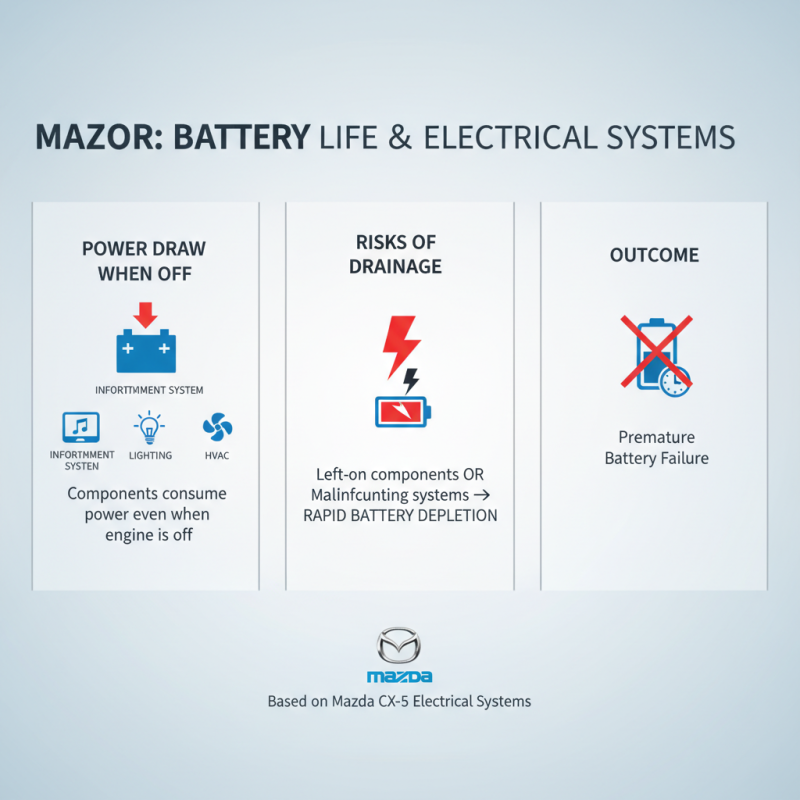
The electrical components in vehicles play a significant role in determining the lifespan of a battery. In the Mazda CX-5, a variety of systems, including the infotainment system, lighting, and HVAC (heating, ventilation, and air conditioning), draw power from the battery even when the engine is off. If these components are left running or malfunctioning, they can quickly deplete the battery, leading to premature failure.
Another critical factor is the battery's charging system, which must effectively replenish energy as the vehicle runs. Issues such as a faulty alternator or loose connections can prevent the battery from receiving adequate charge, exacerbating the battery drain caused by electrical accessories. Moreover, advanced features like automatic start-stop systems, designed to enhance fuel efficiency, can occasionally cause additional strain on the battery if they are not functioning optimally. Ensuring that all electrical components are in good condition and functioning properly can significantly extend battery life and prevent unexpected failures.
Preventative Measures to Extend Battery Lifespan in Mazda CX-5
To ensure the longevity of your vehicle's battery, implementing a few preventative measures can make a significant difference. Regular maintenance is crucial; this includes checking the battery's terminals and cleaning any corrosion that may accumulate over time. Corroded terminals can impede the flow of electricity, leading to poor performance and a shorter battery lifespan. Furthermore, ensuring that the battery is securely mounted can prevent vibrations that may damage the internal components.
Another effective strategy is to limit the use of electrical accessories when the engine is off. Features such as lights, radio, and air conditioning can drain the battery quickly. If possible, turn off these accessories before exiting the vehicle or while the engine is not running. Additionally, scheduling regular inspections of your vehicle’s charging system can help identify potential issues early, enabling timely replacements or repairs before they lead to battery failure. By being proactive and attentive to your vehicle’s needs, you can extend the life of your battery and enjoy a more reliable driving experience.
Why Does My CX-5 Battery Die So Fast? Common Causes and Solutions
| Common Causes |
Description |
Solutions |
Preventative Measures |
| Parasitic Drain |
Electrical components continue to draw power when the vehicle is off. |
Disconnect the battery when parked for extended periods. |
Regularly check for electronic devices that may remain on. |
| Old Battery |
Batteries naturally lose their ability to hold a charge over time. |
Replace battery every 3-5 years. |
Keep records of battery age and performance tests. |
| Extreme Temperatures |
Both high and low temperatures can negatively impact battery performance. |
Use a battery insulator in extreme weather. |
Park in a garage or shaded area when possible. |
| Faulty Alternator |
An alternator that isn’t charging the battery properly leads to battery drain. |
Test the alternator; replace if faulty. |
Have the charging system checked regularly. |
| Short Trips |
Frequent short trips prevent the battery from fully charging. |
Take longer drives to allow the battery to recharge. |
Consider using a battery maintainer for short trips. |
Steps to Diagnose and Troubleshoot Mazda CX-5 Battery Issues
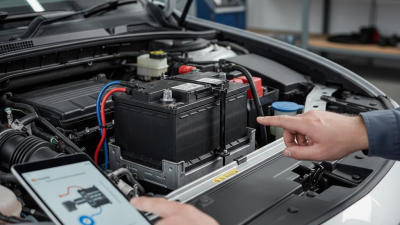
When dealing with battery issues in a vehicle, the first step is to inspect the battery itself. Check for any visible signs of corrosion on the terminals, which can impede the flow of electricity. A multimeter can be used to measure the battery's voltage; a healthy battery should read around 12.6 volts. If the voltage is lower, it may indicate a need for charging or replacement. Additionally, ensure that the battery connections are secure and tight, as loose connections can lead to intermittent power loss.
Next, assess the vehicle's electrical systems that could be draining the battery. Common culprits include lights that remain on after the vehicle is turned off, such as interior lights or trunk lights. It’s also important to examine the alternator's performance, as a faulty alternator may not adequately charge the battery while driving. Running a parasitic draw test can help identify any electrical components that consume power even when the vehicle is not in use. By systematically diagnosing these potential issues, you can address the root cause of the battery problems effectively.
Battery Life Issues in Mazda CX-5
This bar chart illustrates common causes of battery issues in Mazda CX-5 vehicles and their frequency based on survey data.