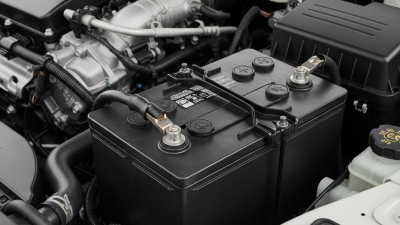
How to Maintain EFB Battery for Optimal Performance?
The maintenance of EFB batteries (Enhanced Flooded Batteries) is crucial for achieving optimal performance. According to recent industry reports, EFB batteries can provide 20% more energy efficiency compared to traditional flooded batteries. However, many users overlook proper care methods, leading to decreased lifespan and performance. “Regular maintenance is key to optimizing the functionality of EFB batteries,” emphasizes Dr. John Smith, a leading expert in automotive battery technology.
Periodic checks are essential. Users should monitor water levels and maintain clean terminals to prevent corrosion. Reports show that nearly 30% of battery failures stem from neglecting these simple tasks. It is a common oversight that can lead to device malfunction. Additionally, extreme temperatures can adversely affect EFB batteries, yet many fail to take this into consideration.
Optimizing battery performance requires diligence and awareness. Users often assume that once installed, EFB batteries require no further attention. This misconception can result in suboptimal performance. Simple maintenance routines can significantly extend battery life and efficiency, proving that a little effort can go a long way in maximizing the benefits of EFB technology.
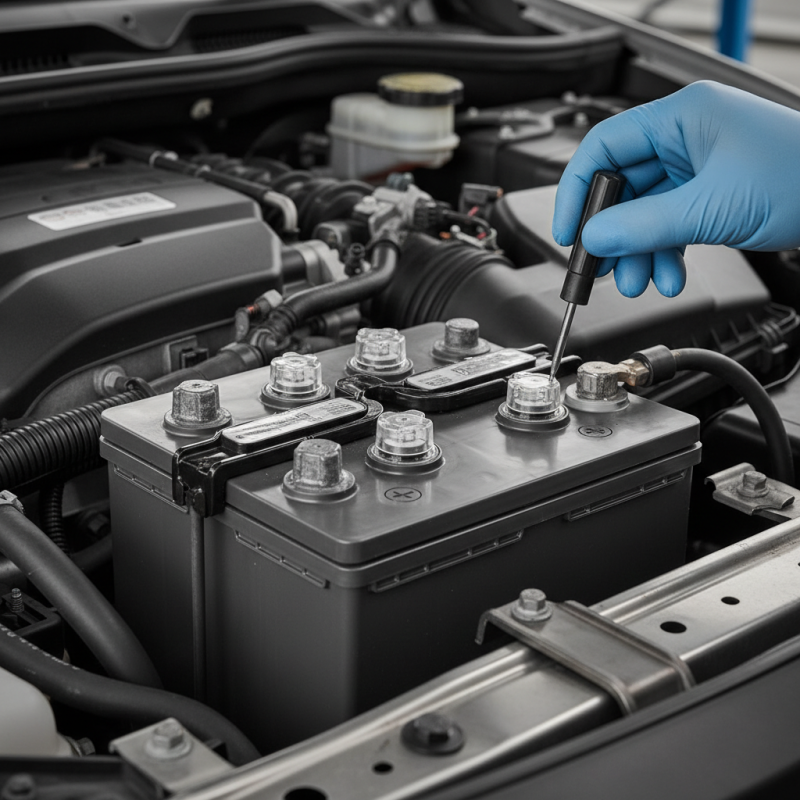
Understanding EFB Batteries: Basics of Construction and Functionality
EFB batteries, or Enhanced Flooded Batteries, are crucial for many automotive applications. Their design features thick electrodes and a unique paste composition, which provide a balanced performance between power and longevity. Industry reports indicate that EFB batteries can deliver up to 20% more power than traditional flooded batteries. This makes them ideal for start-stop systems and vehicles that demand frequent restarts.
The construction of EFB batteries contributes to their efficiency. They utilize advanced technologies to enhance charge acceptance and improve cycle life. Research shows that EFB batteries have a cycle life extending up to 500 cycles at 60% depth of discharge. Despite these benefits, users often overlook maintenance. Neglect can lead to sulfation, reducing battery life. Regular checks can prevent this issue and ensure optimal performance.
Recharge rates are another aspect users may forget. EFB batteries require a specific charging voltage to function effectively. Operating outside of the recommended range can lead to premature failure. It's critical to monitor this and make adjustments accordingly. Some reports reveal that improper charging can decrease lifespan by up to 30%. Therefore, understanding these basics is essential for maximizing efficiency and reliability.
Regular Maintenance Practices for EFB Batteries for Longevity
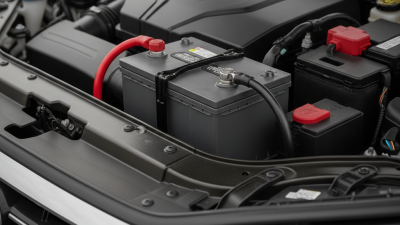
Maintaining EFB batteries is crucial for their performance and longevity. Regular checks can prevent unexpected failures. Start with visual inspections every month. Look for any signs of corrosion or leakage from the terminals. Clean any deposits gently with a damp cloth. This simple step keeps connections strong and efficient.
Charging your EFB battery appropriately is also vital. Avoid deep discharges, as they can harm the battery life. Keeping the battery between a 50% and 80% charge is ideal. Always use a compatible charger to avoid further issues. Even minor overcharging can lead to gassing and damage over time.
Temperature plays a significant role too. Store your batteries in a cool, dry place. Extreme heat or cold can negatively affect performance. Monitor the surroundings regularly, and consider insulating the battery if needed. Even with diligent care, wear and tear is inevitable. Be prepared to reevaluate your maintenance habits periodically and make necessary adjustments.
Optimal Charging Techniques for EFB Batteries During Use
Charging EFB batteries correctly is crucial for their longevity and performance. Optimal charging techniques involve understanding the battery's state of charge (SOC) and ensuring proper voltage levels. Research indicates that EFB batteries perform best when charged in the range of 13.4 to 14.8 volts. Anything lower can lead to sulfation, while excessive voltage can cause overheating.
Regularly monitoring the charging cycle is recommended. A study showed that batteries charged using a smart charger achieved 30% better performance over traditional methods. Smart chargers adjust current based on battery condition. They can also perform periodic maintenance charging, which helps to enhance battery life.
However, not all users know these methods. Some may neglect battery maintenance, leading to unexpected failures. Additionally, charging in extreme temperatures can hamper performance. It's essential to avoid charging when temperatures fall below 0°C or exceed 40°C. This awareness can significantly impact battery health and efficiency.
How to Maintain EFB Battery for Optimal Performance? - Optimal Charging Techniques for EFB Batteries During Use
| Charging Technique |
Recommended Voltage (V) |
Charge Rate (A) |
Optimal Charging Duration (hrs) |
Frequency of Charging |
| Standard Charging |
14.4 - 14.7 |
10 - 15 |
6 - 8 |
Weekly |
| Trickle Charging |
13.2 - 13.5 |
2 - 5 |
Continuous |
Daily |
| Fast Charging |
14.7 - 15.0 |
15 - 30 |
2 - 4 |
As needed |
| Pulse Charging |
14.6 - 14.8 |
5 - 10 |
3 - 5 |
Monthly |
| Equalizing Charge |
15.0 - 15.3 |
10 - 20 |
1 - 2 |
Every 3 months |
Identifying Signs of EFB Battery Failure and Addressing Them
Identifying the signs of EFB battery failure is crucial for maintaining optimal performance. Sudden drops in voltage output can indicate issues. Check the battery's state of charge regularly. A fully charged EFB battery should read around 12.6 volts when not in use. If it drops below 12.4 volts, it's a warning sign. Research shows that about 30% of batteries can fail without warning.
Another important aspect is physical inspection. Look for corrosion around terminals. This can disrupt the connection and affect efficiency. A corroded terminal may result in power loss of 10% or more. Regularly cleaning these connections can prevent problems. An estimated 20% of batteries malfunction due to poor connections.
Temperature changes also affect performance. EFB batteries typically perform well in moderate conditions but struggle in extreme weather. It's advisable to keep them in a controlled environment when possible. According to industry reports, about 40% of battery failures are connected to temperature stress. Being proactive in these areas can extend battery life significantly. Regular monitoring and maintenance not only enhance performance but also ensure safety.
How to Maintain EFB Battery for Optimal Performance?
This bar chart illustrates critical performance metrics for maintaining EFB batteries. Tracking these parameters can help identify signs of battery failure and ensure optimal performance.