10 Essential Tips to Stop Start Your Car Battery Efficiently?
The "stop start car battery" technology is revolutionizing the automotive industry. According to a recent report by the International Energy Agency, over 45% of new cars in Europe now incorporate this feature. This advancement significantly improves fuel efficiency and reduces emissions. However, it also presents unique challenges for vehicle owners.
Industry expert Dr. Emily Chen, a leading researcher in automotive battery technology, emphasizes, “Understanding the maintenance of stop start car batteries is crucial for optimal performance.” Many drivers underestimate the importance of proper care. Neglecting battery health can lead to frequent failures, especially in stop-start systems where battery efficiency is paramount.
Common issues arise from not recognizing when the battery requires attention. Regular checks and proper charging routines are vital to avoid being stranded. After all, the success of the stop start technology hinges on a resilient battery. Awareness is key, and a proactive approach can ensure these batteries perform optimally for years to come.
Tips for Identifying Signs of a Failing Car Battery
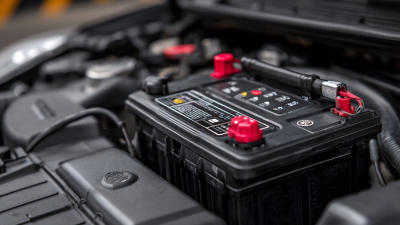
A car battery is vital for your vehicle's performance. Identifying signs of a failing battery can save you from being stranded. Poor engine cranking is a clear indicator. If your engine struggles to start or makes a slow, labored sound, check that battery. It may be time for a replacement.
Another sign is visible corrosion. This often appears as a white powder on terminals. If you see this, don’t ignore it. Clean it off carefully. A bad smell, like rotten eggs from the battery area, points to a problem. This might indicate a leaking battery.
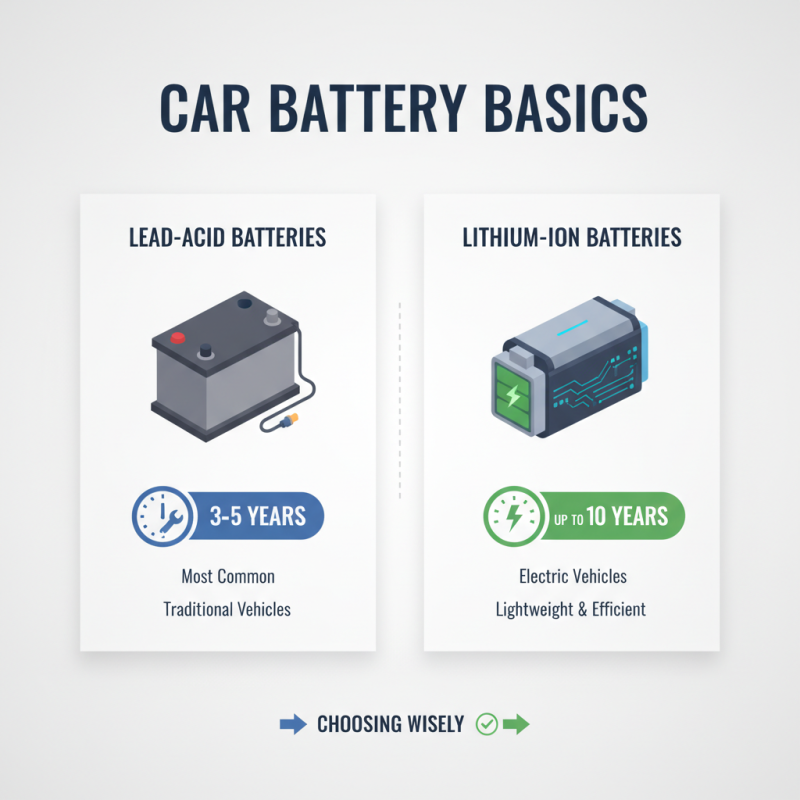
Keep an eye on dashboard warning lights, too. The dashboard can reveal a lot. A battery light or an electrical system warning needs immediate attention. Lastly, monitor your battery’s age. Most batteries last about three to five years. Regular checks can prevent surprises. Don’t wait until it’s too late.
Step-by-Step Guide to Jump-Starting Your Car Safely and Effectively
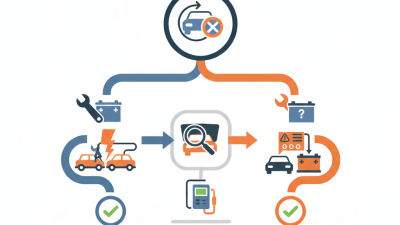
Jump-starting a car battery can be a daunting task for many. However, with the right approach, it can be done safely and effectively. Begin by locating jumper cables and another vehicle with a functional battery. These cables are usually red and black. It's essential to keep them untangled for easy access.
Next, park the working vehicle close to your car, ensuring the hoods are within reach. Safety is crucial. Wear gloves. Ensure both vehicles are off before you connect the cables. Attach the red cable to the positive terminal of the dead battery first. Then, connect the other end to the working battery. The black cable goes on the negative terminal of the working battery, and the opposite end should be connected to an unpainted metal surface on the dead vehicle. This prevents sparks near the battery.
Once everything is connected, start the working vehicle and let it run for a few minutes. Sometimes, the dead battery does not respond immediately. You may need to wait longer. Remember, the situation can feel overwhelming. If the car doesn’t restart, double-check your connections. It's easy to make mistakes under pressure. Once the car starts, remove the cables in reverse order and drive for a while to recharge your battery. Always reflect on your experience; each attempt provides valuable lessons.
10 Essential Tips to Stop Start Your Car Battery Efficiently
| Tip Number |
Tip |
Description |
| 1 |
Check Battery Health |
Regularly check for corrosion and ensure terminals are clean. |
| 2 |
Keep Jumper Cables Handy |
Always have a set of jumper cables in your vehicle. |
| 3 |
Know How to Use Jumper Cables |
Familiarize yourself with the correct steps for jump-starting. |
| 4 |
Position the Vehicles |
Make sure the vehicles are close enough for cables to reach. |
| 5 |
Turn Off All Electrical Components |
Switch off headlights, radio, and HVAC before jump-starting. |
| 6 |
Connect Cables in the Right Order |
Red to dead battery, then red to donor battery; black last. |
| 7 |
Start the Donor Vehicle |
Let it run for a few minutes to charge the dead battery. |
| 8 |
Try Starting the Dead Vehicle |
If it doesn’t start, wait a bit and try again. |
| 9 |
Disconnect Cables Carefully |
Remove cables in the reverse order they were connected. |
| 10 |
Visit a Mechanic |
If issues persist, have a professional check your battery. |
Best Practices for Maintaining Car Battery Health Over Time
Car batteries are vital for your vehicle’s performance. Keeping them healthy is essential to avoid unexpected failures. Follow these best practices to maintain your car battery over time.
Regularly check battery terminals for corrosion. Dirty connections can cause power issues. If you see white or green buildup, clean it with a mixture of baking soda and water. Make sure to disconnect the battery first for safety. This simple step can extend battery life significantly.
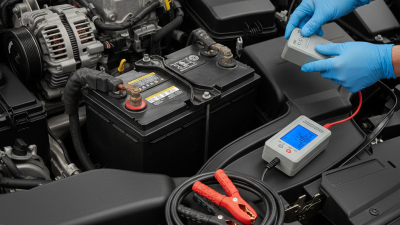
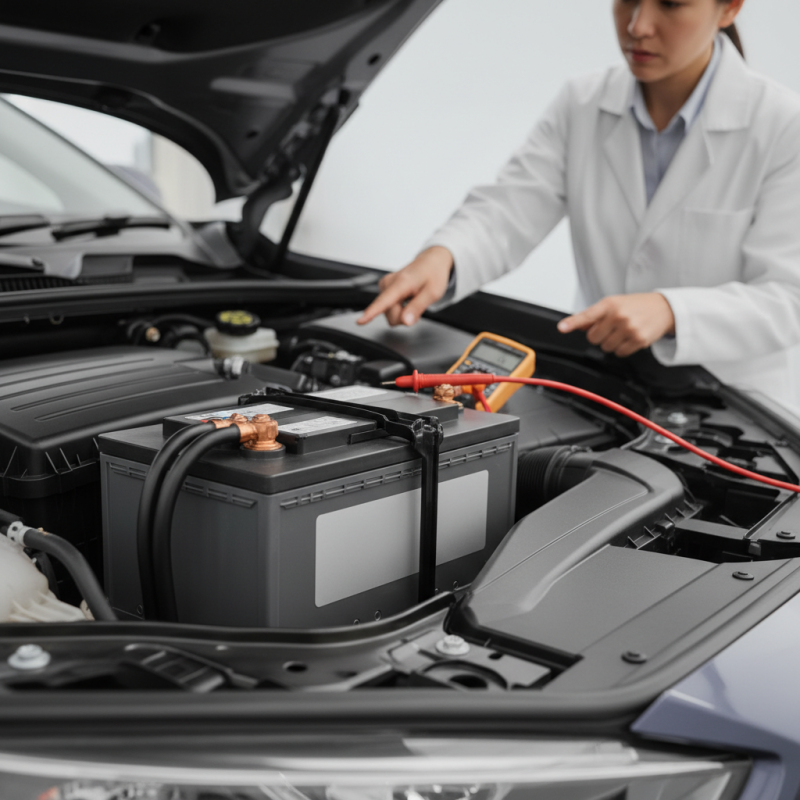
Monitoring your battery's charge is crucial. Use a multimeter to check its voltage regularly. A healthy battery should read around 12.6 volts. If it drops below 12.4 volts, consider charging it. If issues persist, it might be time for a replacement. Ignoring battery health can leave you stranded.
Finally, climate plays a big role in battery longevity. Extreme temperatures can drain your battery faster. If you know you won’t be using your car for a while, consider removing the battery. Store it in a cool, dry place to avoid damage. Taking these steps can prevent future headaches and keep your battery performing well.
Common Misconceptions About Car Battery Usage and Efficiency
Many people have misconceptions about car battery usage and efficiency. One common belief is that leaving your lights on will drain your battery quickly. While this is true, many factors affect how fast a battery loses its charge. The age of the battery, temperature, and electrical load play significant roles.
It’s easy to overlook these details. Regular maintenance is key. Here are a few tips to help. Inspect your battery terminals for corrosion. Clean them with a mixture of baking soda and water. This simple step can improve contact and help your battery perform better.
Another misconception is that all batteries are the same. In reality, they vary in capacity and durability. It’s essential to understand what your vehicle needs. Check your owner’s manual for specifications. Choosing the right battery type can enhance efficiency significantly.
Lastly, many assume that a jump start resolves all issues. In truth, frequent jump-starting can indicate deeper problems. Reflect on your battery’s health. Take note of any signs of weakness, like slow engine cranking. Regular checks can prevent unpleasant surprises and ensure you stay on the road.
10 Essential Tips to Stop Start Your Car Battery Efficiently
This chart represents the effectiveness of 10 essential tips for efficiently stopping and starting your car battery. Each tip is evaluated based on its success in improving battery performance.