How to Choose the Right 12V Car Battery?

Choosing the right 12v car battery is more than matching a price or brand name. It affects starting reliability, electronic stability, and everyday driving confidence. A weak battery may crank slowly on a cold morning, while an incorrectly sized unit can strain the charging system.

S&P Global Mobility reported that the average age of vehicles in the United States reached 12.6 years in 2024. Older vehicles often need careful battery selection because cables, terminals, and charging components may already show wear. The Battery Council International identifies lead-acid batteries as a major technology for automotive starting, lighting, and ignition systems. Meanwhile, AAA commonly places battery service life around three to five years, although heat, vibration, short trips, and poor maintenance can reduce it.

Small details matter. Check the vehicle manual, battery group size, cold-cranking amps, reserve capacity, terminal layout, and warranty terms. Start with the manufacturer’s specification. Then compare real operating conditions. A vehicle used for frequent short journeys may need different attention than one driven steadily on highways.

The strongest battery is not always the best choice. Higher CCA does not automatically guarantee longer life. I have found that many buying guides overlook battery age, installation quality, and charging voltage. That omission deserves a second look. A reliable decision combines professional testing, verified specifications, climate awareness, and practical driving experience. This guide explains those factors clearly, helping drivers choose a dependable battery without paying for capacity their vehicle cannot use.
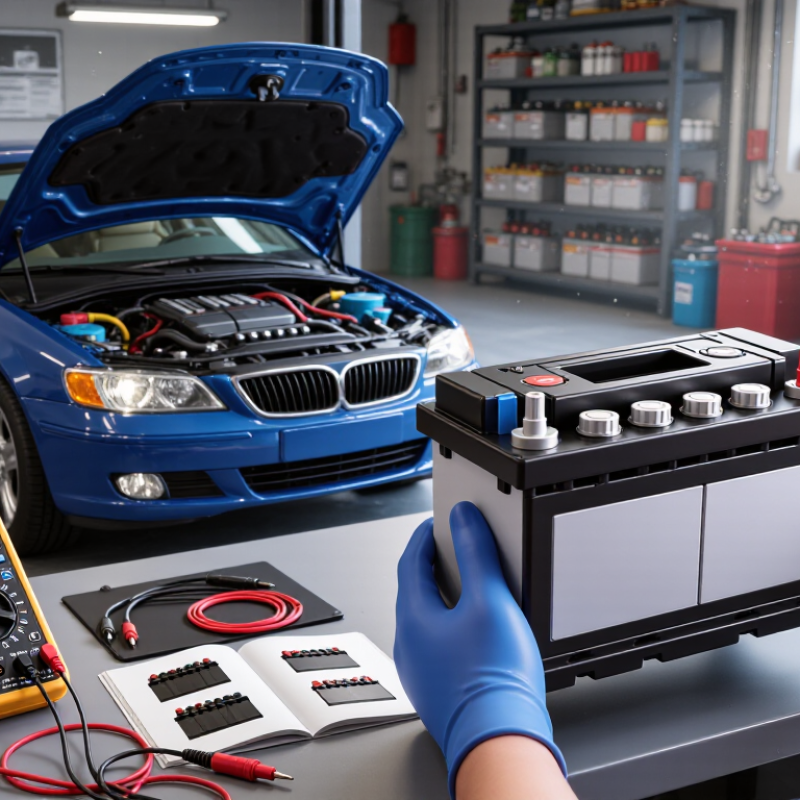
How to Choose the Right 12V Car Battery?

Understand the Role and Specifications of a 12V Car Battery

A 12V car battery is more than a small power box under the hood.

It stores electrical energy and delivers a strong burst to the starter motor. It also supports lights, safety systems, and electronics when the engine is off. The alternator recharges it while driving, but it does not repair a worn battery. Cold mornings expose weakness. A healthy battery normally measures about 12.6 volts when fully charged and resting. A much lower reading may indicate discharge, aging, or a charging problem.

Specifications should match the vehicle, not just the voltage.

Cold cranking amps show how well the battery starts an engine in low temperatures. Ampere-hours describe stored capacity, although this figure is not the only selection guide. Check the required battery size, terminal position, hold-down method, and reserve capacity. A battery with higher numbers is not automatically suitable.

It may have the wrong dimensions or charging requirements. Some modern vehicles also need battery-management system registration after replacement. That detail is easy to miss. It can affect charging performance and battery life. Before buying, compare the vehicle manual with the old battery label, then test the charging system. I would not rely on appearance alone; a clean case can still hide weak internal plates. Consider driving habits too. Short trips may prevent full recovery, while frequent long drives place different demands on the battery.
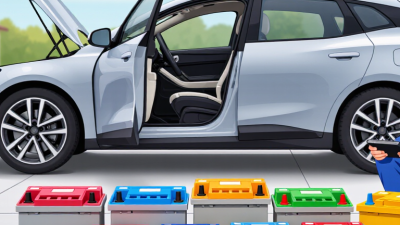
Match Battery Size, Terminal Layout, and Vehicle Requirements

How to Choose the Right 12V Car Battery?

Match Battery Size, Terminal Layout, and Vehicle Requirements

Choosing a 12V car battery starts with fit, not price. Check the owner’s manual or the existing battery label for the correct size code, capacity, and cold-cranking rating. Measure the battery tray if the label is unclear. A battery can fit the space but still fail if its hold-down bracket does not align. That small mistake can cause movement, vibration, and premature damage.

Terminal layout matters just as much. Stand facing the battery from the cable side and note whether the positive terminal sits left or right. Cable lengths are limited. Reversed terminals may prevent installation or create a serious short-circuit risk. Check terminal shape and post height too. I have seen replacement batteries that looked identical but could not accept the vehicle’s cable clamps properly.

Your vehicle may require more than a standard flooded battery. Start-stop systems often need a compatible enhanced battery type, while diesel engines and cold climates may demand higher starting power. Follow the vehicle manufacturer’s specifications rather than guessing from engine size alone. Inspect the charging system if the previous battery failed early. A weak alternator can damage a new battery within months. Use eye protection during inspection, and ask a qualified technician when the layout or battery technology is uncertain. Recheck the measurements before ordering; convenience can make people overlook one final detail.

Compare Battery Types, Performance Ratings, and Climate Suitability

Choosing a 12V car battery is less about the biggest number and more about matching the vehicle’s demands. Flooded lead-acid batteries suit many conventional cars and usually cost less. EFB batteries handle frequent starting better. AGM batteries offer stronger cycling performance and vibration resistance, useful for start-stop systems and heavy electrical loads. However, fitment still matters. A larger battery can damage cables, hold-downs, or ventilation arrangements.

Compare ratings under the same testing standard. SAE J537 measures Cold Cranking Amps at -18°C for 30 seconds, with a minimum terminal voltage of 7.2 volts. CCA matters in winter, but it does not measure reserve energy. Reserve Capacity shows how long a battery can support a load after charging stops. The Battery Council International Battery Replacement Data Book stresses correct case size, polarity, and application matching. These details are easy to ignore. That is a costly mistake. Climate also changes the choice. AAA’s 2019 winter guidance reports that batteries may lose about 60% of their starting strength at 0°F (-18°C), while engines demand more starting power.

Tips: In cold regions, prioritize adequate CCA and a recent manufacturing date. In hot regions, check heat-resistant construction and warranty terms. High temperatures accelerate battery aging. Ask for the testing standard. Do not compare CCA with an unnamed rating. A higher figure is not automatically safer. Charging voltage, cable condition, and parasitic drain can still undermine performance. I would check those issues before blaming the battery.

Check Battery Age, Warranty, Quality, and Maintenance Needs

Choosing the right 12V car battery starts with checking its age. A battery may look clean but still be near the end of its service life. Look for the manufacturing date on its case or label. Many batteries perform best when replaced before repeated starting problems appear. Do not rely only on appearance.

Warranty length can reveal how confidently a manufacturer supports its product. Read the full warranty terms, including replacement limits and required maintenance records. A longer warranty is useful, but it does not always mean better quality. Check the battery’s cold-cranking rating, reserve capacity, and fit for your vehicle. The specifications should match the vehicle manual, not a guess from an online listing.

Tips: Test the battery before winter. Clean white or green corrosion from the terminals carefully. Keep the connections tight. If your car sits unused for weeks, use a suitable maintainer. Check the fluid level only if the battery is designed for inspection; sealed batteries should not be opened. I once replaced a battery too quickly because slow starting seemed obvious. A simple voltage test showed the charging system was the real problem. That mistake was costly. Have the battery and alternator tested together, especially after dim headlights, repeated clicking, or a dashboard warning. Quality also includes sturdy terminals, secure casing, and clear safety information. A cheaper battery may work, but poor fit can cause vibration damage.

How to Choose the Right 12V Car Battery? - Check Battery Age, Warranty, Quality, and Maintenance Needs

Selection Factor Typical Data or Recommended Range What to Check Why It Matters
Battery voltage 12 V nominal; a fully charged lead-acid battery normally measures about 12.6–12.8 V after resting. Confirm that the vehicle requires a 12 V starting battery and compare the resting voltage with a voltmeter. The correct voltage is essential for safe starting and compatibility with the vehicle’s charging system.
Battery group size and physical fit Must match the vehicle’s specified case dimensions, terminal layout, hold-down method, and venting arrangement. Measure length, width, and height; check positive-terminal position and the retaining bracket. A battery with the wrong size or terminal position may not fit securely or may cause cable and short-circuit risks.
Cold-cranking amps (CCA) Passenger-car batteries commonly provide approximately 400–800 CCA, but the vehicle manufacturer’s specification takes priority. Match or exceed the required CCA shown in the owner’s manual or on the original battery. CCA indicates the battery’s ability to deliver starting current in cold conditions. More is not always better if fitment or charging requirements differ.
Reserve capacity (RC) Many passenger-car batteries provide roughly 60–120 minutes of reserve capacity, depending on size and design. Use the vehicle specification when available, especially for vehicles with high electrical loads. Higher reserve capacity can provide more operating time for essential electrical systems if the alternator is not supplying power.
Battery technology Flooded lead-acid: common and economical; EFB: designed for some start-stop systems; AGM: suitable for many vehicles with advanced start-stop or high electrical loads. Replace the original technology unless the vehicle manufacturer specifically approves an upgrade or alternative. Charging profiles, vibration resistance, cycling ability, and energy demands vary between battery technologies.
Battery age at purchase Prefer a battery manufactured within approximately 6 months of purchase when possible. Read the manufacturing or shipment date code and request a recent production unit. Lead-acid batteries gradually self-discharge during storage. Extended storage without proper charging can reduce available capacity.
Expected service life Many conventional batteries last about 3–5 years; EFB and AGM batteries often last about 3–6 years, depending on use and climate. Consider replacement testing from the third year onward, especially in hot climates or with frequent short trips. Temperature, vibration, charging performance, driving patterns, and electrical loads strongly affect battery life.
Warranty coverage Automotive replacement-battery warranties commonly cover about 2–5 years, often with a free-replacement period followed by prorated coverage. Review the full warranty terms, claim process, testing requirements, exclusions, and coverage by date of purchase. A longer warranty can reduce ownership risk, but its value depends on the actual replacement conditions and service terms.
Maintenance requirement Maintenance-free sealed designs need no routine water refill; serviceable flooded batteries may require electrolyte-level checks. Check whether the battery is sealed, whether venting is required, and whether the vehicle has a battery-management system. The correct maintenance procedure prevents electrolyte loss, corrosion, leakage, and avoidable charging problems.
Operating climate Hot climates accelerate corrosion and water loss; cold climates increase the current required for starting. Choose the manufacturer-recommended CCA and inspect the battery more frequently in extreme temperatures. Climate affects both starting performance and long-term battery durability.
Driving pattern Frequent trips shorter than about 20 minutes may not fully replace the energy used during starting. Consider periodic charging with a compatible smart charger if the vehicle is mainly used for short trips or sits unused. Repeated partial charging can cause chronic undercharge and shorten the battery’s useful life.
Condition before installation The case should be undamaged, clean, dry, and free from swelling, cracks, or leaking electrolyte. Inspect the case, terminals, labels, and protective packaging before accepting the battery. Physical damage can indicate internal failure, leakage, unsafe handling, or reduced service life.
Charging-system compatibility The alternator and battery-management system must support the selected battery type and charging requirements. Follow the vehicle service instructions; some vehicles require battery registration or electronic system reset after replacement. Incorrect charging or failure to register a new battery can lead to premature wear, warning lights, or reduced start-stop operation.

Note: Specifications vary by vehicle, engine size, climate, and electrical equipment. Always confirm the required battery size, CCA, technology, and installation procedure in the vehicle owner’s manual.

Install the Battery Safely and Confirm Proper Vehicle Operation

Choosing the right 12V car battery starts with the vehicle manual and the old battery’s specifications. Check voltage, physical dimensions, terminal layout, capacity, and starting performance. A battery that fits the tray may still have the wrong polarity or insufficient output. Confirm the replacement before opening the package.

Install it with the engine off, keys removed, and the area well ventilated. Wear eye protection and insulated gloves. Disconnect the negative cable first, then the positive cable. Lift the battery carefully, because it may weigh more than expected. Place the new battery firmly in the tray. Connect positive first and negative last. Keep metal tools away from both terminals. I still recheck polarity, even when the markings look obvious. A rushed installation can appear correct and fail later.

Tips: Clean corrosion with a suitable battery brush, but do not force damaged terminals. Tighten the hold-down securely without crushing the case. After installation, start the vehicle and check warning lights, headlights, horn, and dashboard functions. With a multimeter, verify charging voltage while the engine runs, following the vehicle manual because modern systems vary. Listen for unusual clicking or slow cranking. If warning messages remain, or the battery will not stay secure, stop driving and ask a qualified technician to inspect the installation.