Why Choose a Heavy Duty Car Battery for Your Vehicle Needs?
Choosing the right battery for your vehicle is essential. Many drivers overlook the benefits of a heavy duty car battery. This choice can significantly impact your vehicle's performance and reliability.
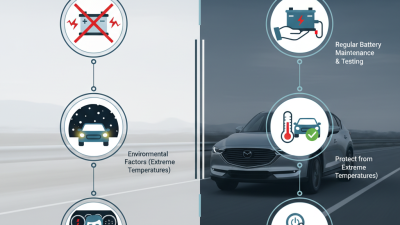
A heavy duty car battery offers increased power and durability. It's designed to handle more demanding conditions. For example, if you frequently drive in extreme temperatures or use your vehicle for heavy loads, this battery will serve you well. It provides a strong starting power in cold weather and withstands the rigors of daily use.
However, some might question if they really need this type of battery. Regular batteries may seem sufficient at first glance. But consider the long-term benefits of reliability and performance. Investing in a heavy duty car battery can prevent future issues. It supports better engine starts and extends the life of your vehicle. Assess your driving habits before making a decision.
Benefits of Heavy Duty Car Batteries for Reliability and Performance
When it comes to vehicle performance, the choice of a car battery can significantly impact reliability. Heavy duty car batteries are designed to withstand challenging conditions. They possess thicker plates and higher capacity, which helps in long-lasting performance. This means they can handle more starts and provide consistent energy even in extreme temperatures.
In addition, heavy duty batteries excel in situations requiring extra power. For example, if you drive in off-road conditions or frequently use electrical accessories, these batteries are particularly beneficial. They deliver reliable cranking power and can recover faster compared to standard batteries. However, some users might find these batteries bulkier and heavier, which can be a downside.
Choosing a heavy duty battery might involve higher upfront costs. Yet, the investment can lead to fewer replacements over time. You may encounter maintenance aspects that require attention too. Despite these challenges, the benefits of reliability and consistent performance often outweigh the drawbacks. This decision requires careful consideration based on individual driving habits.
Key Features of Heavy Duty Car Batteries to Consider for Vehicles
When selecting a heavy-duty car battery, key features can greatly influence performance and longevity. One important aspect to consider is the battery's cold cranking amps (CCA). CCA is crucial for starting engines in cold temperatures. A heavy-duty battery typically offers a CCA rating of at least 600 amps. This allows your vehicle to start reliably, even in harsh weather conditions.
Another vital feature is reserve capacity (RC). This indicates how long the battery can run on its own without the engine. Many heavy-duty batteries provide an RC of over 120 minutes. This is essential in situations where the alternator fails. In real scenarios, some users face issues with batteries lacking adequate reserve capacity, resulting in inconvenience.
Additionally, durability should not be overlooked. Heavy-duty batteries often come equipped with thicker plates and improved materials. According to industry reports, these batteries can last up to 50% longer than standard options. However, maintenance and care are critical. Users often fail to monitor charging levels, which can lead to premature battery failure. Being proactive about maintenance is essential for optimizing battery life.
Why Choose a Heavy Duty Car Battery for Your Vehicle Needs? - Key Features of Heavy Duty Car Batteries to Consider for Vehicles
| Feature |
Description |
Benefits |
| High Cold Cranking Amps (CCA) |
Refers to the battery's ability to start the engine in cold conditions. |
Ensures reliable starting in low temperatures. |
| Deep Cycle Capability |
Designed to discharge and recharge many times without damaging the battery. |
Ideal for vehicles with high accessory loads, like RVs and boats. |
| Vibration Resistance |
Enhanced construction to withstand shocks and vibrations. |
Increases lifespan in rugged driving conditions. |
| Maintenance-Free Design |
Sealed design that requires no water topping up. |
Convenient for users with minimal maintenance requirements. |
| Higher Reserve Capacity |
The amount of time the battery can run without recharging. |
Provides power for accessories when the engine is off. |
Comparing Heavy Duty and Standard Car Batteries: An Overview
When considering car batteries, a heavy duty option may stand out. These batteries offer greater power, durability, and reliability compared to standard ones. They are ideal for demanding conditions, like extreme weather or heavy towing. Heavy duty batteries often have thicker plates, which enhance their performance and longevity.
Some people overlook battery maintenance, but it is essential. Regularly check battery terminals for corrosion. Clean them if necessary. A well-maintained battery can last significantly longer.
If your vehicle demands extra power, heavy duty batteries are worth exploring. They can handle increased electrical loads without strain. Choose a battery that fits your vehicle's specific needs. Power requirements can vary depending on accessories and usage patterns. Not all vehicles require heavy duty options, so always assess before purchasing.
Installation and Maintenance Tips for Heavy Duty Car Batteries
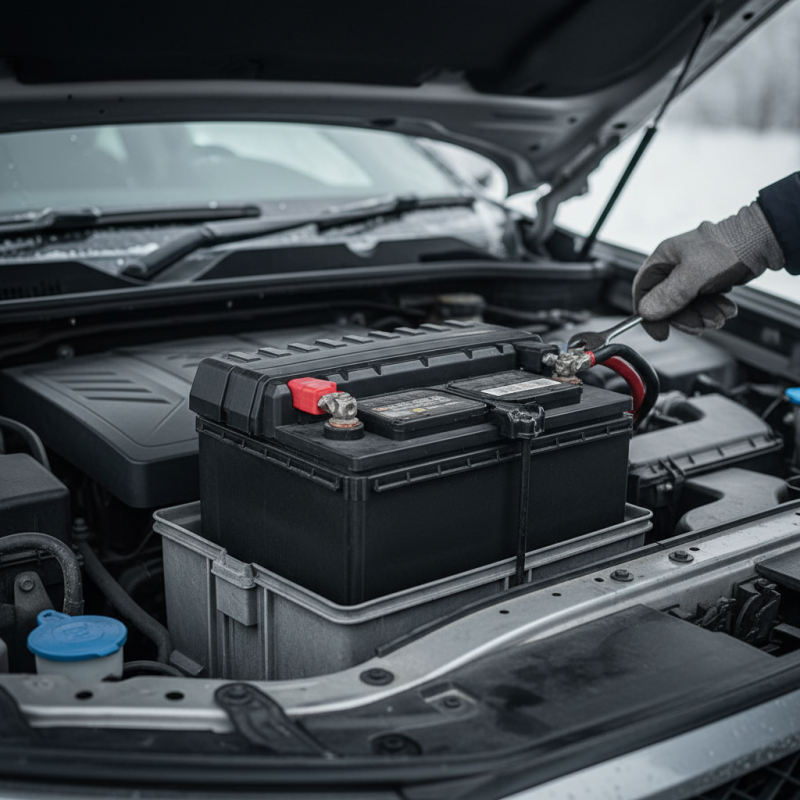
When considering heavy-duty car batteries, proper installation is crucial. Most installations require at least two people for safety. Improper handling can lead to severe malfunctions. A recent study shows that 30% of battery failures stem from issues during installation. Ensure all connections are tight and corrosion-free. Use protective gloves and goggles to avoid accidents.
Regular maintenance keeps your heavy-duty battery functioning well. Checking fluid levels monthly is vital. However, many drivers overlook this simple task. Studies reveal that around 25% of car owners ignore it. Cleaning terminals also helps increase battery life. A mixture of baking soda and water can dissolve corrosion. Yet, be careful not to overdo it; too much cleaning can damage the terminals.
Monitoring battery health is often neglected. Charging systems should be inspected regularly. Indicators like dimming lights signal potential issues. Ignoring them may lead to delayed breakdowns. Consult your vehicle manual for specific guidelines. Heavy-duty batteries work best in extreme conditions but require attention. Awareness of these factors ensures reliability and longevity.
Heavy Duty Car Batteries Performance Comparison
This chart compares the performance metrics of various heavy-duty car batteries. The key metrics are Cold Cranking Amps (CCA), which indicate the battery's ability to start an engine in cold temperatures, and Reserve Capacity (RC), which shows how long the battery can power essential electrical systems if the alternator fails.
When to Replace Your Car Battery: Signs and Recommendations
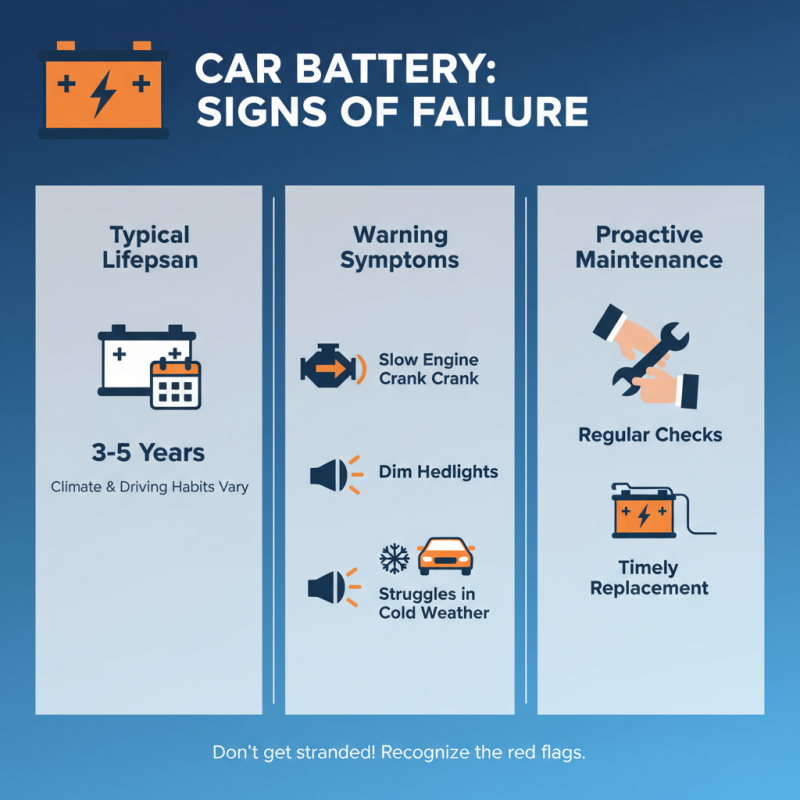
When it comes to car batteries, recognizing the signs of a failing battery can save you frustration. A car battery typically lasts between three to five years. However, factors like climate and driving habits can impact its lifespan. Watch for symptoms such as slow engine cranking or dim headlights. If your car struggles to start in cold weather, that's a red flag.
Another sign is corrosion on the battery terminals. If you see a white, ashy substance, it's time to check it out. Weak batteries often show slower response times when using electronics. An unexpected click instead of a start is not normal. Frequent jump-starts can be a sign of deeper issues.
Being proactive about battery care can prevent future issues. Regular inspections are essential. Yet, many overlook this basic maintenance step. The best time to replace the battery is before it fails. Don't wait for a crisis moment. Look out for the signs and avoid being stranded.