How to Choose a Good Car Battery for Your Vehicle Needs?
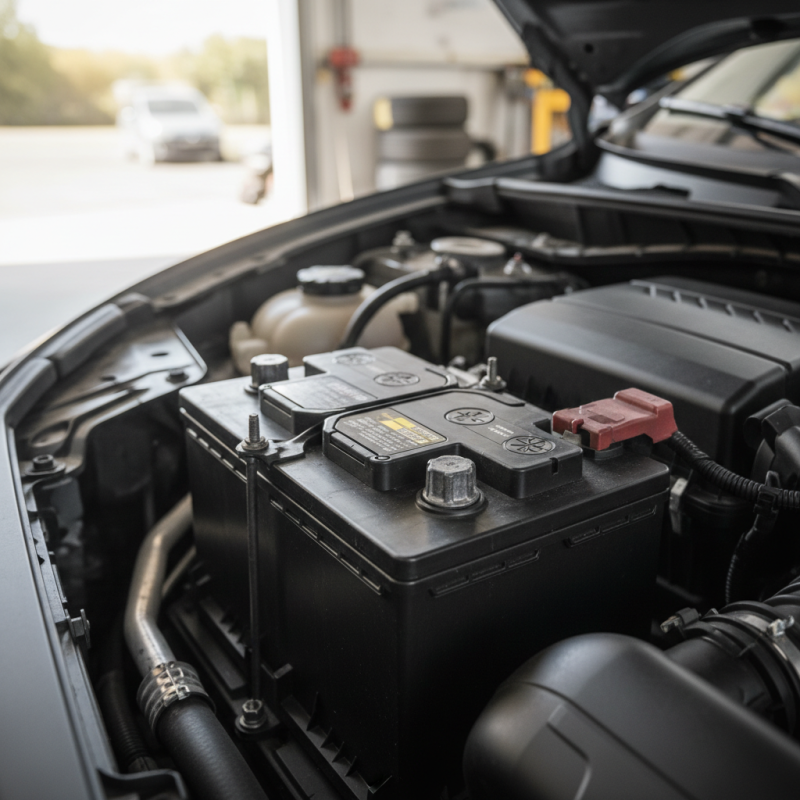
Choosing a good car battery is essential for any vehicle owner. A reliable battery ensures your car starts smoothly and operates efficiently. However, many factors influence your decision. Not all batteries are created equal.
Understanding your vehicle's specific needs can be daunting. Consider factors like size, power output, and warranty. A good car battery should match your car's requirements. You might feel overwhelmed by all the options available. Each battery type has its strengths and weaknesses.
Some batteries may seem perfect at first glance. But, they might not perform well in extreme temperatures. Reflecting on your driving habits can also guide you. Ask yourself about your daily usage and routes. This will help you select a battery that truly meets your needs.
Understanding Your Vehicle's Power Requirements
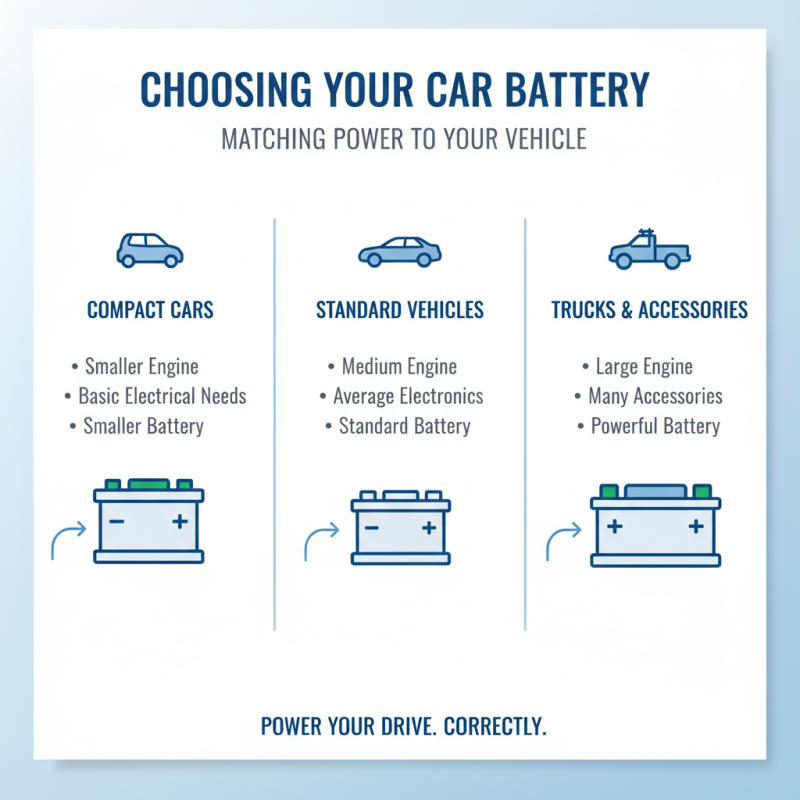
When choosing a car battery, it’s crucial to understand your vehicle's power needs. Every vehicle has specific requirements based on its engine size, electrical system, and usage. For instance, a compact car may only need a smaller battery, while a truck with many accessories will require something more powerful.
Consider the cold cranking amps (CCA) of the battery. CCA measures how well a battery can start an engine in cold temperatures. Higher CCA ratings mean better performance in winter. Additionally, amp-hours (Ah) indicate how long a battery can provide a specific current. Knowing these figures helps gauge what will work best.
Look for details on your current battery. If it struggles or often needs recharging, it may reflect a mismatched choice. This might indicate that the battery’s capacity does not align with your vehicle's needs. Upgrading to a model with higher specifications can solve performance issues. Always double-check compatibility with your vehicle’s manual to avoid costly mistakes.
Types of Car Batteries and Their Features
When choosing a car battery, understanding the types available is crucial.
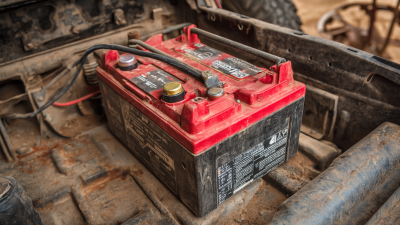
Lead-acid batteries are the most common. They are affordable and reliable. They function well in a range of temperatures. However, they can be heavy and have a shorter lifespan, lasting about three to five years.
According to industry reports, these batteries make up approximately 60% of the market.
Another option is absorbent glass mat (AGM) batteries.
These are sealed batteries with better longevity, typically lasting up to seven years. AGM batteries are ideal for vehicles with high electronic demands. They are also more resistant to vibrations and can perform in extreme conditions.
However, they are pricier, which can be a drawback for budget-conscious buyers.
Lithium-ion batteries are becoming popular, particularly in electric vehicles. They are lightweight and have a longer lifespan, often exceeding ten years.
Despite their benefits, they can be expensive and might not be suitable for all vehicles.
Industry data shows that lithium-ion batteries have seen significant growth, capturing about 25% of the market.
Consider performance needs and budget constraints when choosing.
Factors to Consider When Choosing a Battery
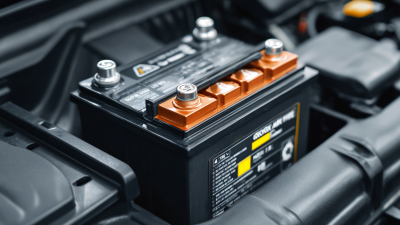
When choosing a car battery, several factors play a crucial role. The first thing to consider is the battery's size. It needs to fit well in your vehicle's battery tray. If it’s too large or too small, it won't work effectively. Check your owner's manual for the correct dimensions.
Next, consider the battery's cold cranking amps (CCA). This measurement indicates how well the battery can start your engine in cold conditions. A higher CCA is better for winter climates. On the other hand, if you live in a warmer area, you might not need as high a CCA. Think about your local weather conditions often.
Another factor is the battery's lifespan. Typically, a good car battery lasts around three to five years. Look for warranties that offer at least a three-year guarantee. Some people overlook this, thinking all batteries will last. Regular maintenance can extend a battery's life. Remember, checking terminals for corrosion is essential, but many forget this step in their routine.
How to Choose a Good Car Battery for Your Vehicle Needs?
| Factor |
Description |
Importance |
| Battery Type |
Select between lead-acid, AGM, or gel cell types based on your needs. |
High |
| Cold Cranking Amps (CCA) |
The ability of a battery to start an engine in cold temperatures. |
Very High |
| Reserve Capacity (RC) |
Time a battery can sustain a load before voltage drops. |
Medium |
| Size and Compatibility |
Ensure the battery physically fits in your vehicle. |
High |
| Battery Life |
Review the expected lifespan and warranty duration. |
High |
| Price |
Consider your budget and compare features versus cost. |
Medium |
Assessing Battery Performance and Longevity
Battery performance is crucial for vehicle reliability. According to the Battery Council International, a well-maintained lead-acid battery can last between three to five years. However, various factors affect this lifespan. For instance, exposure to extreme temperatures can significantly reduce battery efficiency. Heat is particularly damaging; it can evaporate the battery's electrolyte, leading to premature failure.
It’s not just longevity to consider. Performance metrics, like cold cranking amps (CCA), are vital in cold climates. A battery with a higher CCA rating starts engines more reliably in low temperatures. A report by the American Automobile Association indicates that batteries lose about 35% of their cranking power at 32°F. Choosing a battery with suitable ratings for your climate and usage can prevent frustration during a cold morning.
Users often overlook maintenance checks. Corroded terminals and loose connections can lead to operational issues. Regular inspection can be tedious but is essential for optimal performance. Neglecting small problems can lead to bigger, more costly issues later. Ultimately, every vehicle owner should prioritize understanding these factors to ensure dependable battery performance.
Battery Performance and Longevity Comparison
This chart compares the average lifespan of different types of car batteries. As shown, Lithium Ion batteries tend to last the longest, while Lead Acid batteries have the shortest lifespan. Choosing the right battery type based on longevity can significantly impact your vehicle's performance.
Installation and Maintenance Tips for Car Batteries
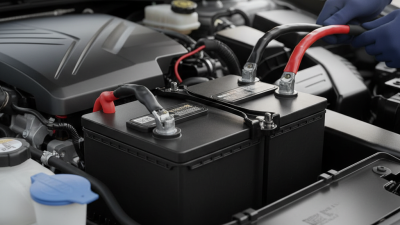
When it comes to car batteries, installation and maintenance are key. A good battery is vital for reliable vehicle performance. Start by ensuring you have the right tools. Basic tools include wrenches and safety gloves.
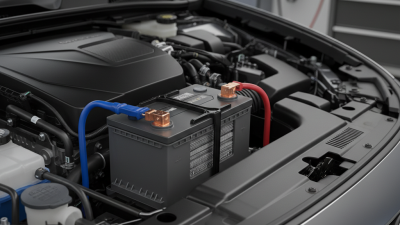
Before installation, clean the terminals and connections. Dust and corrosion can hinder performance. Make sure to wear gloves to avoid any acid irritation. When you install the battery, connect the positive terminal first. This helps avoid accidental shorts. Double-check all connections after installing. Loose connections can lead to battery failure.
Regular maintenance can extend your battery's life. Check fluid levels if your battery has removable caps. You may need to add distilled water. Keeping the battery clean is also important. Use a mixture of baking soda and water to clean the terminals.
Tips: Inspect your battery every few months. Look for signs of corrosion and leaks. If your battery is more than three years old, it might need testing. Be proactive to prevent breakdowns.