Why Choose EFB Car Battery for Your Vehicle Needs?
In the evolving landscape of automotive technology, the choice of a car battery is crucial for optimal vehicle performance. Industry expert Dr. James Carter, a renowned battery specialist, emphasizes, "An EFB car battery enhances efficiency and reliability for modern vehicles." This statement underscores the growing popularity of EFB car batteries among vehicle owners.
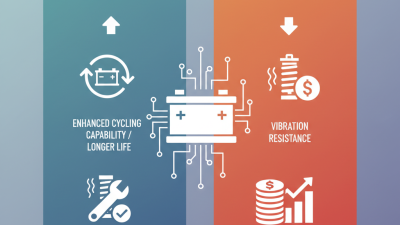
EFB, or Enhanced Flooded Battery, offers unique advantages over traditional batteries. They have improved cycling capabilities and are designed for start-stop systems common in newer cars. Their ability to withstand deep discharges makes them a reliable choice for various driving conditions. Yet, some users still question their long-term performance.
It's essential to understand that not all EFB car batteries are created equal. Variations in quality and specifications can impact reliability. As consumers weigh their options, they should consider a brand's reputation and warranty offerings. This decision is significant; an ill-informed choice can lead to unexpected failures. Hence, investing time in research is vital for ensuring vehicle readiness.
Advantages of EFB Car Batteries Over Traditional Lead-Acid Batteries
EFB car batteries offer several advantages over traditional lead-acid batteries. They provide better energy efficiency, which leads to improved performance in various vehicle types. With higher charge acceptance, EFB batteries can recover quickly after being drained. This means they recharge faster and are ready for action sooner.
In terms of lifespan, EFB batteries typically last longer than conventional ones. They can endure deep cycling, which is beneficial for vehicles with high energy demands. This durability translates to cost savings over time. However, some users may find these batteries slightly heavier, which could affect overall vehicle weight.
Another factor to consider is temperature sensitivity. EFB batteries perform well in extreme conditions. Yet, they might not be as effective in very cold environments compared to other options. Overall, EFB batteries stand out for their efficient energy use and longevity but require careful consideration based on specific vehicle needs.
EFB Technology: Understanding Enhanced Flooded Battery Features
EFB technology, or Enhanced Flooded Battery, has become increasingly popular in the automotive sector. This technology is designed to offer improved performance and durability compared to traditional flooded batteries. According to industry reports, EFB batteries can outperform standard designs by providing up to 30% more cycling stability. This means they can handle more charge and discharge cycles, making them suitable for vehicles with high energy demands.
One key feature of EFB batteries is their ability to sustain a higher state of charge. This reduces the risk of sulfation, a common problem in conventional lead-acid batteries. With a lower self-discharge rate, EFB batteries maintain their charge longer when not in use. Research indicates that users can expect a lifespan of around 4-6 years under regular conditions. However, some owners might find that performance varies based on driving habits and environmental conditions. Regular maintenance and checks can help optimize battery life.
While EFB batteries offer numerous advantages, they can sometimes fall short in extreme temperature conditions. In freezing weather, their performance may decline. A recent study highlighted that EFB batteries can lose up to 15% of their efficiency in cold climates. Vehicle owners should consider these factors, as not all EFB models may meet the needs of every driver. Understanding these limitations is crucial for making an informed decision.
Performance Metrics: EFB Car Batteries in Extreme Weather Conditions
When it comes to extreme weather conditions, EFB car batteries demonstrate commendable performance. Studies show that they offer improved cold cranking amps (CCA), outpacing conventional batteries in frigid temperatures. A report from the Battery Council International indicates that EFB batteries can provide up to 30% more starting power in sub-zero conditions. This capability ensures that your vehicle starts reliably, even during harsh winters.
In addition to cold weather performance, EFB batteries excel in heat as well. High temperatures can cause battery failure, yet EFB technology is designed to withstand thermal stress. A recent analysis revealed that EFB batteries maintain efficiency at temperatures exceeding 100°F, reducing the risk of overheating. This reliability is crucial for drivers in hotter climates where battery degradation is common.
However, it's essential to consider that while EFB batteries excel in extreme conditions, they may require proper maintenance. Regular checks and good charging practices can enhance their longevity. Some users report decreased performance after prolonged periods without use. Thus, a little attention to your EFB battery can yield significant benefits, particularly when facing temperature extremes.
Performance Metrics: EFB Car Batteries in Extreme Weather Conditions
| Weather Condition |
Starting Power (CCA) |
Reserve Capacity (RC - Minutes) |
Cycle Life (Cycles) |
Temperature Range (°C) |
| Hot Weather |
500 CCA |
120 minutes |
300 cycles |
-10 to 50 |
| Cold Weather |
600 CCA |
110 minutes |
250 cycles |
-30 to 20 |
| Moderate Weather |
550 CCA |
130 minutes |
350 cycles |
-10 to 40 |
Cost-Effectiveness: EFB Longevity and Maintenance Compared to Alternatives
When considering car batteries, EFB (Enhanced Flooded Battery) technology stands out due to its impressive longevity. EFB batteries are known for their robust performance in various conditions. They can endure frequent charge and discharge cycles, making them ideal for modern vehicles that rely on advanced electronics.
Cost-effectiveness is a key advantage of EFB batteries. They typically require less frequent replacement than other types, which can lead to savings over time. Their durability means lower maintenance costs as well. However, one must weigh initial costs against long-term benefits. While EFBs may have a higher upfront price, their lifespan often justifies the investment.
EFB batteries also offer reliable power supply under different driving conditions. They perform well in both hot and cold climates. This versatility enhances their value compared to alternatives. Yet, users should monitor battery health regularly. Ignoring signs of wear can lead to unexpected failures. Familiarizing oneself with battery maintenance is crucial for ensuring maximum efficiency and reliability.
Cost-Effectiveness of EFB Car Batteries Compared to Alternatives
Market Trends: Increasing Adoption of EFB Batteries in the Automotive Industry
The automotive industry is increasingly leaning towards Enhanced Flooded Batteries (EFB) for various reasons. These batteries stand out due to their superior performance in start-stop applications. They offer better deep cycling capabilities and quicker recharge times compared to conventional batteries. As electric and hybrid vehicles gain traction, EFB batteries are becoming essential components in the automotive landscape.
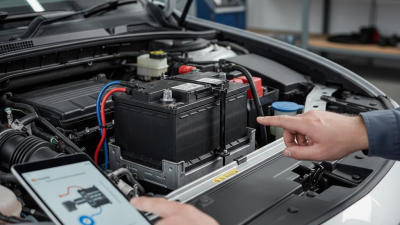
Tips to consider when selecting EFB batteries: Ensure they meet your vehicle's specific requirements. Check specifications carefully. Not all EFB batteries are made the same. Furthermore, consider local climate conditions. Extreme temperatures can affect battery performance. Regular checks can provide insights into your battery's health.
Another trend is the shift towards sustainability in battery production. EFB batteries are designed to be more eco-friendly, utilizing recycled materials. This appeals to environmentally conscious consumers. However, not every manufacturer prioritizes sustainability. Do your research about the production methods. Engage with local experts or automotive technicians for informed choices. They can guide you towards reliable options and prevent potential pitfalls in battery lifetime and performance.