What to Do When Your Car Battery Stops Starting Your Vehicle
When you encounter an issue with your vehicle's stop start car battery, it can be a frustrating experience, especially when you're in a hurry. The stop start technology in modern vehicles is designed to enhance fuel efficiency by automatically shutting off the engine when the car is idling, then restarting it when you need to move again. However, this technology places additional strain on your car battery, potentially leading to a situation where your battery fails to start the vehicle. Understanding what to do when your car battery stops starting your vehicle is crucial for every driver.
First, it's important to identify the symptoms of a failing stop start car battery. You might notice warning lights on the dashboard, a sluggish start, or the engine not turning over at all. These signs indicate that your battery may no longer be able to support the demands of your vehicle’s systems. A proactive approach is to conduct regular battery checks and maintenance to prevent such issues from arising. If you're faced with a non-starting vehicle, knowing the right steps to take can save you time and get you back on the road more quickly. From jump-starting the battery to considering a replacement, knowing your options is essential for any driver dealing with a stop start car battery failure.
Understanding Symptoms of a Dead Battery
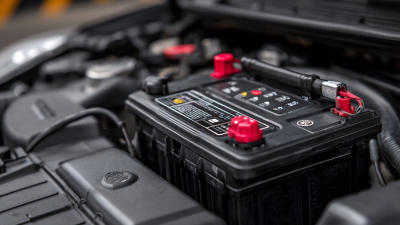
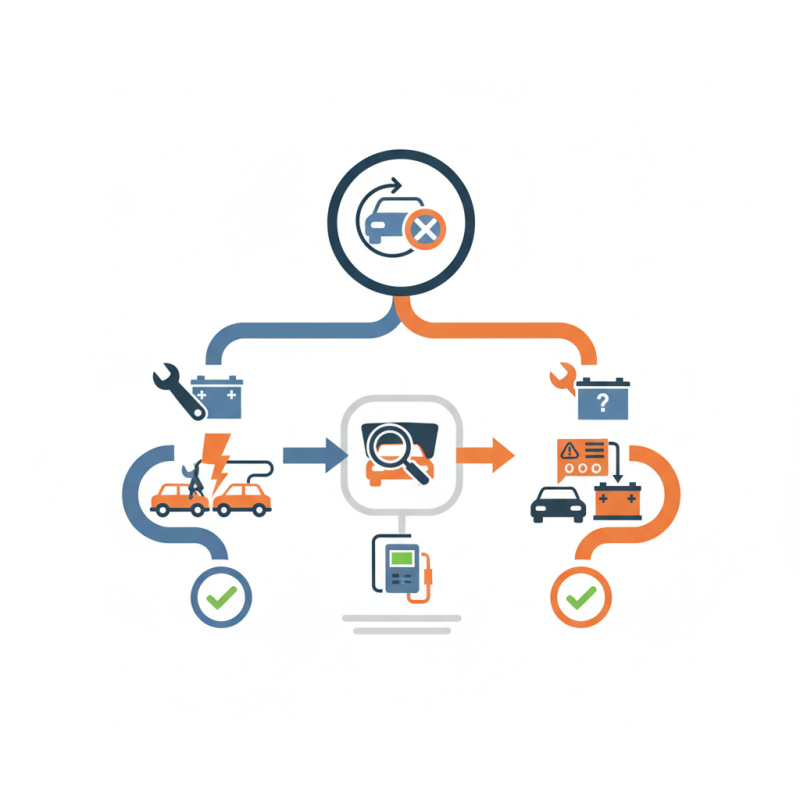
When your car battery stops starting your vehicle, it can be a frustrating experience. Understanding the symptoms of a dead battery is crucial in preventing this common issue. Common indicators include dimming headlights, slow engine crank, and warning lights on your dashboard. According to the Battery Council International, nearly 30% of automotive batteries in use today are over three years old, increasing the risk of failure. Ignoring these symptoms can lead to a complete battery failure, leaving you stranded.
To prevent battery issues, regular maintenance is essential. Keep your battery terminals clean and ensure they are tightly connected. Additionally, consider testing your battery at least once a year, especially if it’s more than three years old. If you notice any signs of corrosion around the battery, it’s advisable to address the issue promptly to avoid further complications.
Tips: Always carry jumper cables in your vehicle for emergencies. If you experience a dead battery, check for other potential issues like a faulty alternator. Remember, staying proactive can save you time and frustration in the long run.
Symptoms of a Dead Car Battery
Checking for Basic Issues Before Replacement
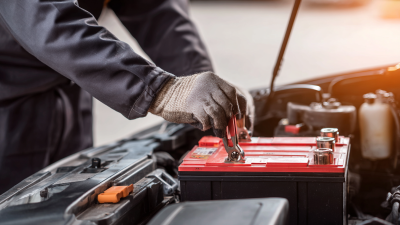
When your car battery fails to start your vehicle, it’s essential to check for basic issues before considering a replacement. First, examine the battery terminals for any signs of corrosion. Corroded terminals can inhibit the flow of electricity, preventing your vehicle from starting. If you see white or greenish buildup on the terminals, carefully clean them with a mixture of baking soda and water, ensuring a secure connection afterward.
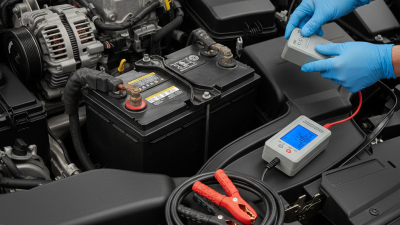
Next, take a moment to inspect the battery itself for any visible damage, such as cracks or leaks. A compromised battery may not hold a charge and could require replacement. Additionally, make sure that the battery is properly secured in its mount, as jostling could disconnect the terminals during operation. Testing the battery's voltage with a multimeter can further clarify if the battery is the culprit; a healthy battery typically shows a reading of 12.6 volts or more. By addressing these basic checks, you can effectively rule out minor issues before proceeding to the more costly decision of replacing the battery.
What to Do When Your Car Battery Stops Starting Your Vehicle - Checking for Basic Issues Before Replacement
| Issue |
Possible Cause |
Suggested Action |
Estimated Cost |
| Car Won't Start |
Dead Battery |
Jumpstart the Battery |
$0 (if using jumper cables) |
| Slow Engine Crank |
Weak Battery |
Test Battery Voltage |
$10-$20 |
| Dashboard Warning Light |
Battery Needs Replacement |
Check Battery Health |
$0-$30 |
| Lights Dim When Starting |
Faulty Alternator |
Inspect Alternator Functionality |
$100-$300 |
| No Response When Turning Key |
Bad Starter |
Check Starter Connection |
$100-$400 |
Steps to Jump-Start Your Car Battery
If your car battery has stopped starting your vehicle, jump-starting it can be a quick solution. To begin, you'll need another vehicle with a functional battery and a set of jumper cables. First, park the working vehicle close enough to your car so the cables can reach both batteries. Ensure both vehicles are turned off before connecting the cables to avoid any electrical issues.
Next, attach the red jumper cable to the positive terminal of the dead battery, followed by the other end to the positive terminal of the working battery. Then, connect the black jumper cable to the negative terminal of the working battery and attach the other end to an unpainted metal surface on your car, away from the battery. Start the working vehicle and let it run for a few minutes before attempting to start your car. If successful, remove the cables in reverse order, being careful that they do not touch each other or fall into the engine compartment. This method can save you time and stress when faced with a dead battery.
When to Replace Your Car Battery
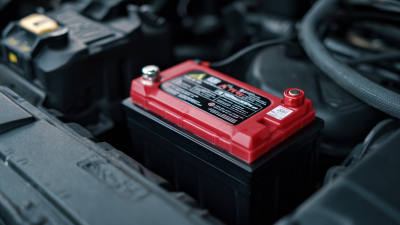
When it comes to a car battery that no longer starts your vehicle, recognizing the signs that indicate a replacement is necessary is crucial. One of the most evident signs is when your engine cranks slowly or struggles to start; this often means the battery's capacity is failing. Additionally, if you notice that your headlights dim or flicker while idling, this can also be a strong indication that the battery is on its last legs.
Typically, car batteries have a lifespan of 3 to 5 years, but factors such as extreme temperatures or frequent short trips can shorten this duration. It’s advisable to have your battery tested regularly, especially if you’ve experienced any starting issues. Other indicators that warrant a replacement include corrosion on battery terminals, swelling of the battery case, or if you've needed to jump-start your vehicle repeatedly.
If any of these symptoms are present, visiting a professional for a battery check and replacement is a proactive step that can prevent unexpected breakdowns.
Preventive Measures to Extend Battery Life
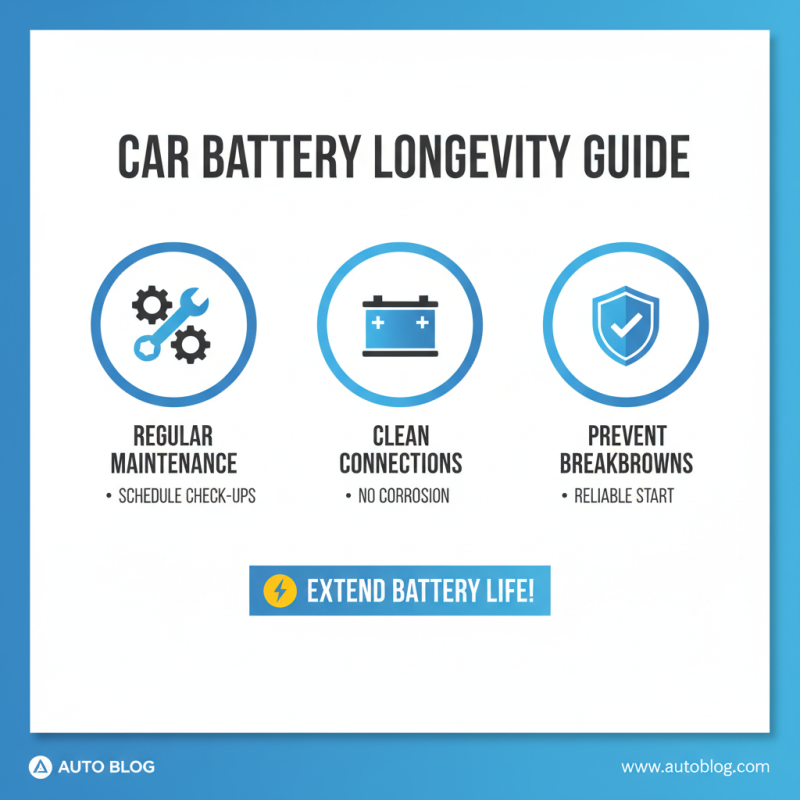
When a car battery fails, it can be a frustrating experience, but implementing preventive measures can help extend its lifespan and save you from unexpected breakdowns. Regular maintenance is key; keeping your battery terminals clean and free from corrosion promotes better conductivity and helps your vehicle start more reliably.
**Tips:** Ensure you check your battery's water levels periodically if it is not a maintenance-free type. Additionally, look out for any signs of wear and tear, such as bulging or cracks, which could indicate it's time for a replacement.
Another effective strategy to prolong battery life is to limit short trips. Frequent short trips can prevent the battery from fully charging, leading to reduced lifespan. Make it a habit to drive your vehicle on longer trips at least once a week, allowing the alternator to recharge the battery effectively.
**Tips:** Consider investing in a battery maintainer or trickle charger if your vehicle is often parked for extended periods. This device will keep your battery at an optimal charge level, ensuring it’s always ready to go when you need it.