10 Best Ways to Fix a Flat Battery Quickly and Easily
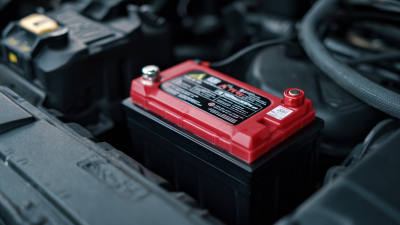
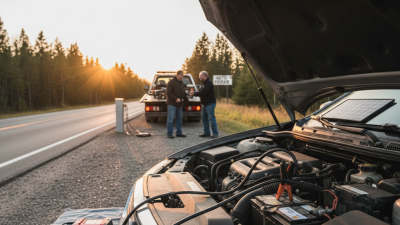
A flat battery can turn a simple journey into a frustrating ordeal, affecting millions of drivers worldwide. According to the International Energy Agency, battery-related issues are among the leading causes of vehicle breakdowns, accounting for approximately 30% of roadside assistance calls. With the increasing reliance on vehicles for daily commuting, understanding how to quickly address a flat battery is essential for maintaining mobility and minimizing downtime.
In recent years, advancements in battery technology have contributed significantly to vehicle performance and efficiency. However, despite the improvements, flat batteries continue to pose challenges. The National Highway Traffic Safety Administration reports that over 1.5 million vehicles are immobilized due to battery failures each year, highlighting the importance of having effective strategies to address this common problem. From jumper cables to portable jump starters, knowing the top methods for quickly and easily fixing a flat battery can save time and money.
In this article, we explore the "Top 5" ways to remedy a flat battery, providing practical tips and insights that every driver should be familiar with. By implementing these strategies, you can enhance your preparedness and ensure that a flat battery doesn’t derail your plans or compromise your safety on the road.
Understanding Different Types of Flat Batteries and Common Causes
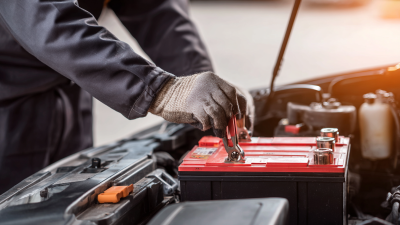
Flat batteries are a common issue that can stem from various causes, and understanding these underlying reasons is crucial for effective solutions. According to a report by the Battery Association of America, roughly 60% of automobile battery failures are attributed to a lack of maintenance or age-related wear.
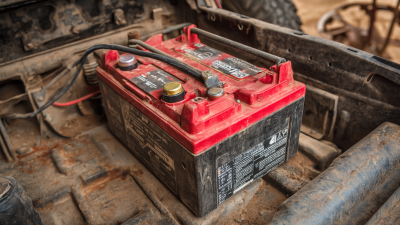
 Lead-acid batteries, the most prevalent type in vehicles, typically last between three to five years, after which their performance diminishes significantly due to sulfation and corrosion. This emphasizes the importance of regular inspections and the timely replacement of aging batteries.
Other factors leading to flat batteries include extreme weather conditions and electrical system failures. The National Renewable Energy Laboratory indicates that battery performance can degrade by about 20% in temperatures below 32°F (0°C). Additionally, parasitic drain—caused by malfunctioning electrical components or systems—can silently drain a battery over time. Understanding these causes empowers battery owners to take preventive measures, such as maintaining optimal battery health and ensuring proper function of vehicle electrical systems, ultimately reducing the incidence of flat batteries.
Essential Tools You Need for Quick Battery Recovery
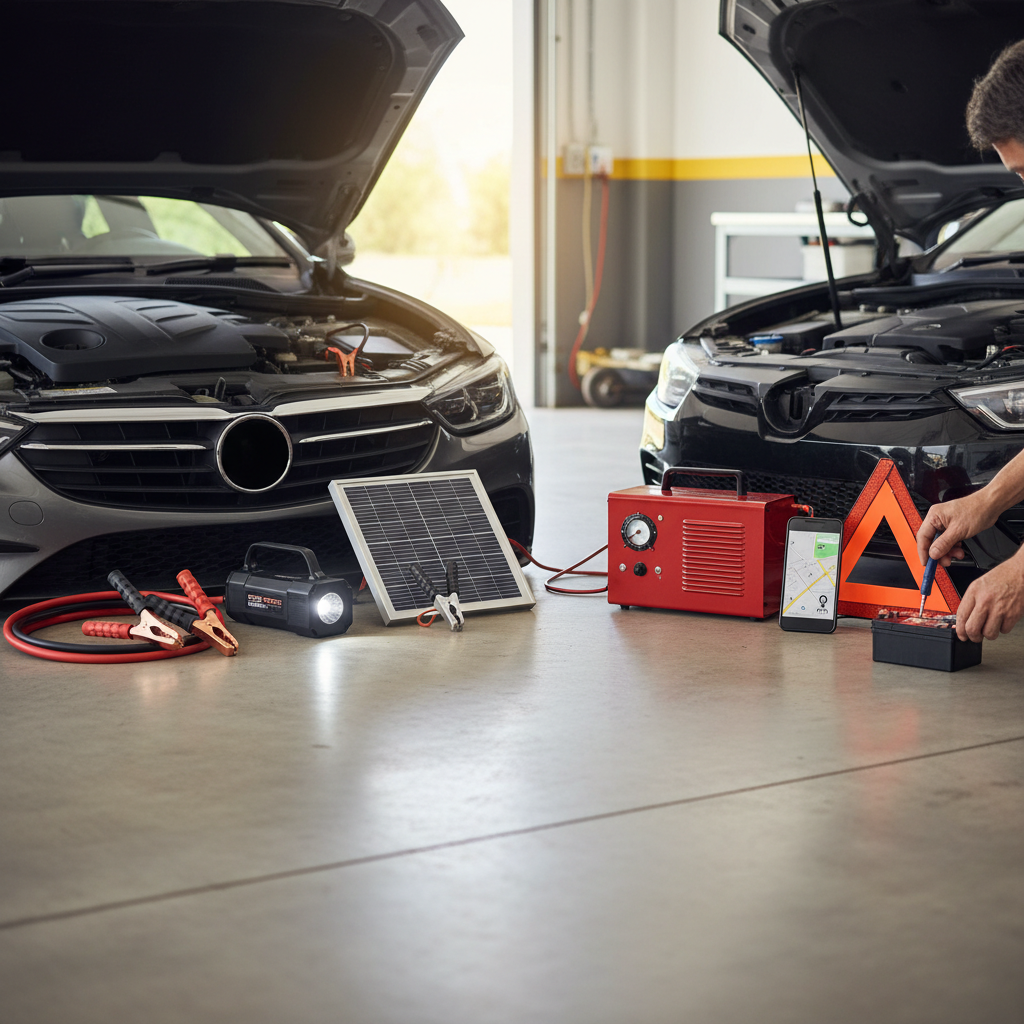
When dealing with a flat battery, having the right tools at your disposal can make all the difference. Essential items include jumper cables, a portable jump starter, and a multi-tool.
Jumper cables are crucial for connecting your battery with another vehicle or a power source, allowing you to harness the energy from a working battery. A portable jump starter, on the other hand, offers convenience and independence, enabling you to jump-start your vehicle without needing another car. This tool not only saves time but also reduces reliance on others, making it a must-have for emergencies.
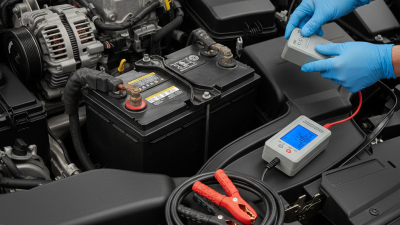
In addition to these primary tools, a battery charger can be invaluable for longer-term battery health. A smart battery charger can maintain your battery effectively and provide a slow charging option, which is gentler on the battery. Other essential items include a voltmeter, which can help you assess the battery's condition, and a set of gloves to protect your hands while handling potentially hazardous materials. Proper preparation and the right tools ensure that you can respond swiftly when a flat battery situation arises, causing minimal disruption to your day.
Step-by-Step Guide to Jump-Starting a Flat Battery Safely
Jump-starting a flat battery can be a straightforward process if you follow the right steps.
Begin by ensuring you have a pair of jumper cables and a functioning vehicle with a charged battery.
Position both vehicles close enough for the cables to reach but avoid any contact between them.
Before connecting the cables, turn off all electrical components in both cars, including headlights, radios,
and air conditioning.
Next, connect the red positive cable to the positive terminal of the dead battery,
followed by the other end to the positive terminal of the charged battery. Then, attach the black negative cable
to the negative terminal of the charged battery. For the other end of the black cable, find a grounded metal point on the vehicle with the flat battery,
such as a bolt or unpainted metal surface, rather than connecting it directly to the battery. This step minimizes the risk of sparks.
Once the cables are securely connected, start the engine of the functioning vehicle and let it run for a few minutes before attempting to start
the one with the flat battery. After a successful jump, remove the cables in the reverse order of connection, and ensure to keep the jumped vehicle
running to help recharge the battery.
Using Portable Battery Chargers: Tips for Effective Recharging
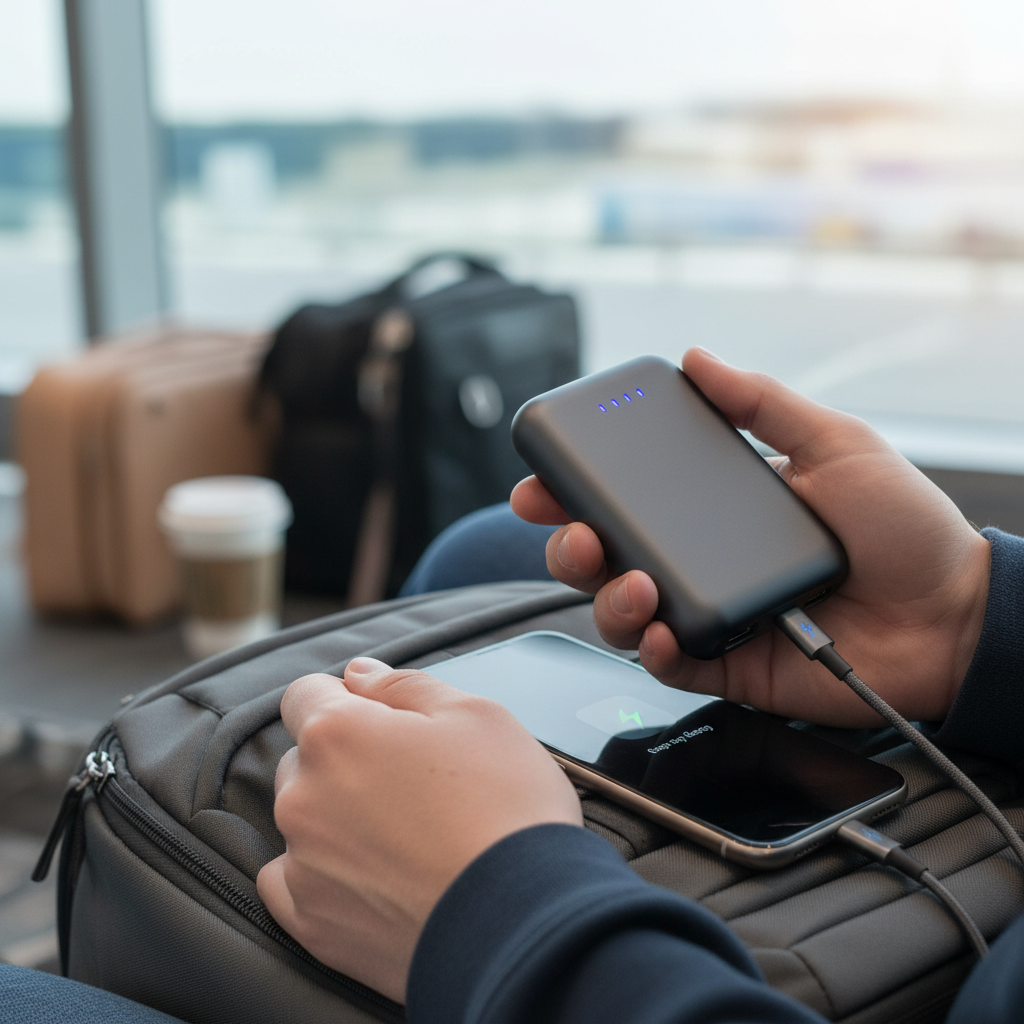
When dealing with a flat battery, using a portable battery charger can be a game-changer. These compact devices provide a convenient and effective way to recharge your battery on the go. To maximize the effectiveness of your portable charger, it's important to choose one with sufficient capacity for your device. Look for a charger that offers at least 10000mAh to ensure multiple charges without needing a recharge itself. Additionally, consider one with multiple output ports, which allows you to charge more than one device simultaneously, saving you valuable time when you're in a hurry.
Another key tip for effective recharging is to ensure your portable charger is fully charged before use. Regularly check its status and recharge it when necessary, so it’s always ready when you need it. Furthermore, make use of quality cables that can handle the charging speed of your portable charger, as low-quality cables might slow down the charging process or lead to inefficiencies. Finally, familiarize yourself with the charger's features, such as any quick charge options it may have, to ensure you're getting the most out of it during your emergency battery situations.
Preventative Measures to Avoid Future Flat Battery Situations
To avoid future flat battery situations, it is crucial to adopt preventative measures that enhance battery life and efficiency. Regular maintenance of battery systems, such as ensuring proper charging practices while monitoring state of charge (SOC), plays a vital role. Utilizing advanced technologies like machine learning can aid in accurately estimating the SOC under varied load profiles, thus preventing unexpected failures. This proactive approach not only extends battery longevity but also ensures optimal performance during critical usage.
Moreover, awareness of environmental factors is essential. For instance, extreme temperatures can significantly impact battery performance, leading to potential flat scenarios. Employing high-quality rechargeable batteries and ensuring they are kept in appropriate conditions can mitigate risks. Additionally, keeping an eye on the battery's health through routine inspections and using appropriate charging devices will further reduce the likelihood of encountering flat batteries in the future.
10 Best Ways to Fix a Flat Battery Quickly and Easily