10 Best Solutions for a Flat Car Battery You Need to Know
In the world of automotive maintenance, a flat car battery can be one of the most frustrating issues for drivers. According to industry expert Dr. Lisa Thompson, a renowned automotive engineer, "Understanding the common causes and solutions for a flat car battery is crucial for any vehicle owner." This insight underscores the importance of being prepared and knowledgeable about how to handle battery-related problems effectively.
Flat car batteries can stem from various factors, such as leaving headlights on, extreme weather conditions, or simply the age of the battery. These issues not only hinder the functionality of a vehicle but also pose potential safety risks. Knowing the best solutions to address a flat car battery empowers drivers to take immediate action, ensuring they are not left stranded and can maintain the longevity of their vehicle’s battery life.
In light of this, we have compiled the 10 best solutions for a flat car battery that every car owner should be aware of. From preventative measures to emergency fixes, these strategies will not only help you in times of need but also enhance your overall understanding of vehicle maintenance and battery care.

Understanding the Causes of a Flat Car Battery
A flat car battery is a common issue that can arise from several underlying causes. One of the primary factors contributing to battery depletion is a lack of regular usage. When a vehicle sits idle for an extended period, the battery naturally discharges. This is particularly prevalent in regions with extreme temperatures, where the battery’s chemical reactions may slow down or accelerate, leading to rapid energy loss.
Another significant cause of a flat car battery is electrical drain caused by components left on when the car is not in use. Interior lights, radios, or even dashboard computers can drain the battery if they are not turned off after the engine has been shut down. Additionally, aging batteries are more susceptible to failure, as their capacity to hold a charge diminishes over time. Regular maintenance, such as checking connections and ensuring clean terminals, can mitigate these issues and prolong battery life, ultimately helping drivers avoid the frustration of a flat car battery.
Signs Your Car Battery is Failing
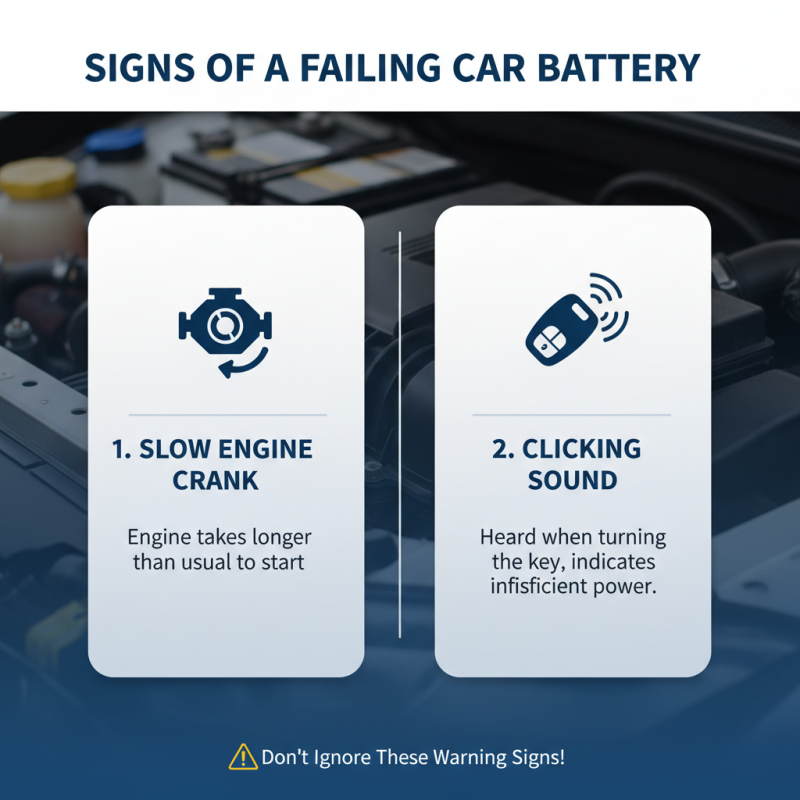
A failing car battery can often be detected through a variety of signs that should not be ignored. One of the most common indicators is a slow engine crank. If you notice that your engine takes longer than usual to start, it may be a warning that your battery is struggling to maintain its charge. Additionally, if you hear a clicking sound when you turn the key, it suggests that the battery is not supplying enough power to start the vehicle.
Another telltale sign of a failing battery is dim or flickering headlights. If your headlights appear noticeably weaker, especially when idling, it’s a clear signal that the battery may not be holding a sufficient charge. Corroded battery terminals can also indicate trouble; white, ashy deposits around the terminal connections can impede the flow of electricity, leading to battery failure. Finally, frequent electrical issues with other components in your vehicle, such as power windows or the radio cutting out unexpectedly, can point to an underlying battery problem. Being aware of these signs can help you address battery issues before they leave you stranded.
Step-by-Step Guide to Jump Starting Your Car
When faced with a flat car battery, knowing how to jump-start your vehicle can save you time and hassle. Begin by gathering the necessary tools: a set of jumper cables and a functioning vehicle with a charged battery. Ensure both vehicles are parked close enough that the cables can reach each battery without being stretched or pinched. Safety is crucial, so make sure both cars are turned off and remove any potential hazards nearby.
Start by connecting the red cable to the positive terminal of the dead battery first, followed by the other end of the red cable to the positive terminal of the charged battery. Next, attach the black cable to the negative terminal of the charged battery. Finally, connect the other end of the black cable to a grounding point on the vehicle with the dead battery. This could be a metal part of the car's frame, ensuring that there’s no connection to the battery itself to avoid sparks. Once everything is connected, start the engine of the working vehicle and allow a few minutes for the dead battery to charge. After a short time, attempt to start the car with the flat battery.
Once the vehicle starts, remove the cables in reverse order to how they were connected, ensuring that you first disconnect the black cable from the grounding point, followed by the other ends. It's advisable to let the revived vehicle run for at least 15 minutes to help recharge the battery further. If the car does not start after several attempts, it may indicate a more serious issue that requires professional assistance.
Exploring Alternative Solutions for Battery Recovery
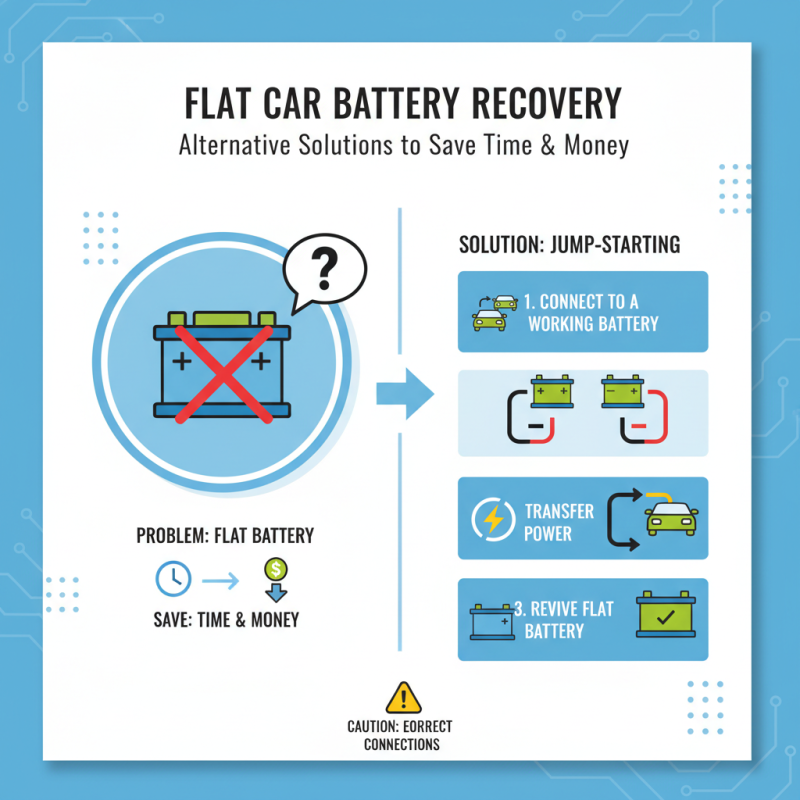
When dealing with a flat car battery, exploring alternative solutions for battery recovery can save you time and money. One effective method is to use jump-starting techniques, which involve connecting your battery to a working one. This method uses the power from the good battery to revive the flat battery. However, ensure that the connections are made correctly to avoid further damage.
Another innovative solution is to invest in a portable battery charger or jump starter. These devices are compact and easy to use, providing you with the ability to recharge your battery without another vehicle. Just be mindful of the charging time and ensure that the device is compatible with your battery type.
Tips: Always keep jumper cables or a portable charger in your vehicle for emergencies. Regularly check your battery's health and charge levels, especially before long journeys. Additionally, if your vehicle is frequently having battery issues, consider seeking professional help to diagnose any underlying electrical problems.
Preventive Measures to Avoid Flat Car Batteries in the Future
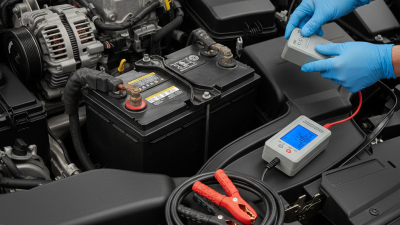
To prevent flat car batteries in the future, implementing a few simple yet effective measures can make a significant difference. First and foremost, regular maintenance checks are crucial. This involves inspecting battery terminals for corrosion and ensuring that connections are tight. Periodically testing the battery’s voltage can help identify any potential issues before they escalate, allowing for timely replacements or recharging.
Another effective strategy is to establish a routine for driving your vehicle. Batteries naturally discharge when a car remains idle for extended periods. To combat this, aim for consistent short drives or consider using a trickle charger during longer periods of inactivity. Additionally, extreme temperatures can negatively impact battery performance. Parking in a garage or providing insulation can mitigate the effects of weather extremes, preserving battery life and reducing the risk of depletion. By taking these preventive measures, you can enhance your battery's longevity and reliability.
10 Best Solutions for a Flat Car Battery You Need to Know
| Solution |
Description |
Preventive Measures |
| Regular Battery Checks |
Inspect the battery's condition every few months. |
Schedule routine maintenance. |
| Clean Battery Terminals |
Remove corrosion and clean connections. |
Use a mixture of baking soda and water for cleaning. |
| Battery Maintenance Charger |
Use a trickle charger to keep battery topped off. |
Connect to charger when vehicle is not in use for extended periods. |
| Proper Driving Habits |
Drive regularly to keep battery charged. |
Limit short trips that don’t allow the battery to recharge. |
| Turn Off Accessories |
Ensure all accessories (lights, radio) are off when starting. |
Check before shutting down the vehicle. |
| Battery Replacement |
Replace old batteries before they fail. |
Regularly test battery health and replace every 3-5 years. |
| Temperature Considerations |
Store vehicle in a temperate environment. |
Use battery insulation in extreme temperatures. |
| Use Quality Batteries |
Invest in high-quality, reliable batteries. |
Research and select batteries suitable for your vehicle. |
| Disconnect Battery When Not in Use |
Disconnect the battery if the vehicle will not be used for a long period. |
Utilize terminal covers for additional safety. |
| Consult a Professional |
Get professional advice for warning signs and battery issues. |
Schedule yearly check-ups with a qualified mechanic. |