2026 Top Stop Start Battery Technologies and Innovations Explained?
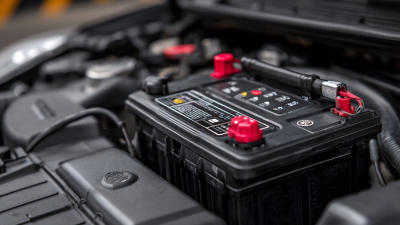
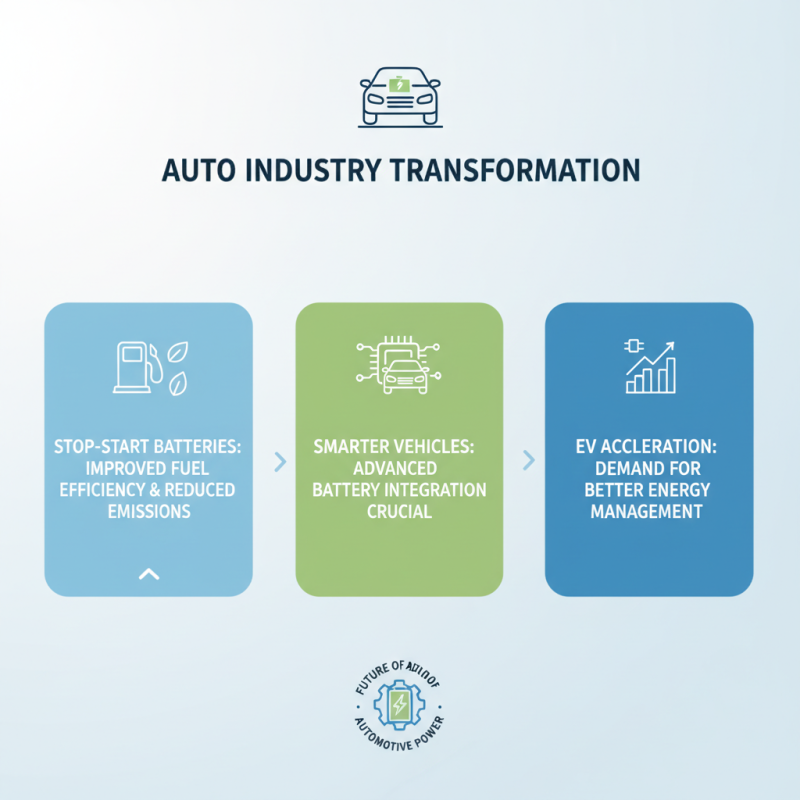
As we look toward 2026, the landscape of stop start battery technology is evolving rapidly. Innovations in this field promise to enhance vehicle efficiency and reduce emissions. Stop start batteries seamlessly power various systems, providing energy during idling to minimize fuel consumption.
Current trends highlight the importance of lighter materials and more compact designs. Many manufacturers are experimenting with different chemistries, such as lithium-ion and advanced lead-acid batteries. Each aims to improve lifespan and performance. However, challenges remain. Ensuring reliability under varying conditions is critical.
Additionally, recycling practices for these batteries are under scrutiny. The environmental impact of battery production and disposal raises questions. We must consider how to balance innovation with sustainability. As we delve into the advancements, it’s essential to reflect on their implications for the future of automotive technology and the planet.
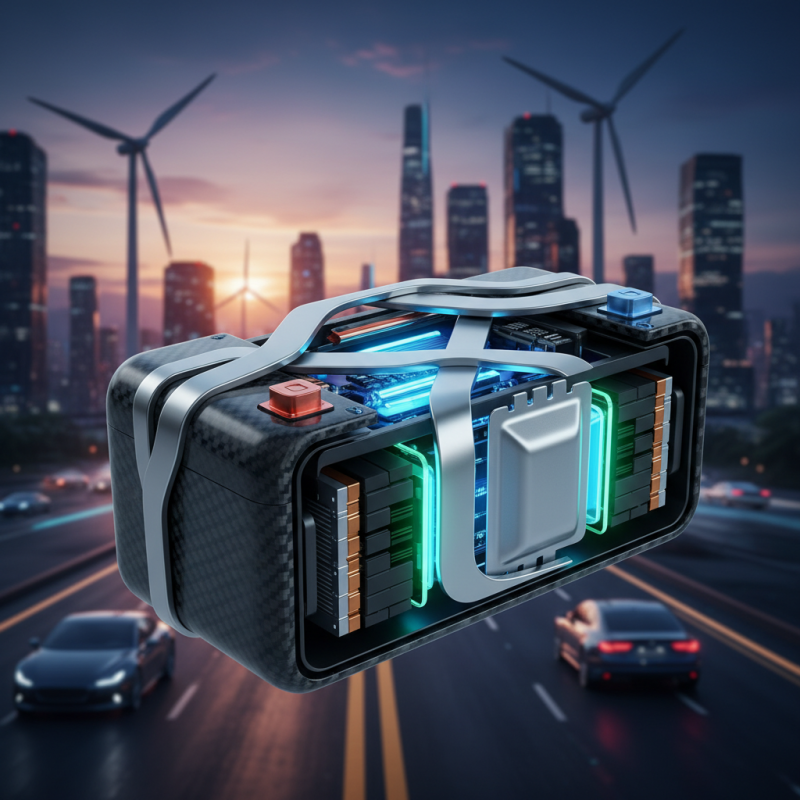
Overview of Stop-Start Battery Technologies in 2026
In 2026, stop-start battery technologies continue to evolve. These innovations aim to enhance vehicle efficiency. The main function of stop-start systems is to reduce emissions by shutting off engines during idling. This technology is becoming increasingly popular in urban settings.
Battery types like AGM and lithium-ion are crucial for this function. AGM batteries excel in rapid charge and discharge cycles. They can endure many stops and starts. Lithium-ion batteries, though more expensive, offer higher energy density. These features make them suitable for electric vehicles.
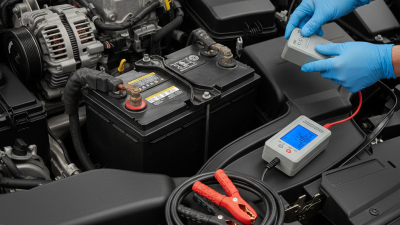
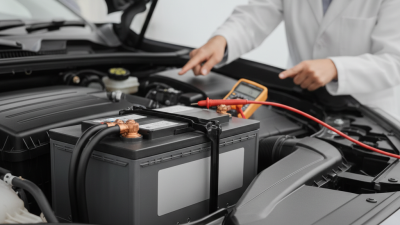
Tips: Consider your driving habits. If you frequently stop in traffic, choose a battery type that suits your needs. Regular maintenance is essential to maximize battery life. Clean terminal connections can prevent performance issues. Understanding battery specifications is key.
However, challenges remain. Not all stop-start systems are reliable. Some vehicles may not respond well in extreme temperatures. Drivers should be aware of these potential pitfalls. Upgrading batteries could lead to performance improvements or setbacks. Always research before making a decision.
2026 Overview of Stop-Start Battery Technologies
This chart illustrates the advancements in various stop-start battery technologies for the year 2026, highlighting their energy density, lifecycle, and cost efficiency metrics.
Key Innovations Driving Stop-Start Battery Performance
The evolution of stop-start battery technology is fascinating. Recent innovations enhance performance and efficiency. Advanced lead-acid batteries are lighter and more efficient. Their design allows for quick energy recovery. This results in faster restarts compared to traditional options.
Another key innovation is the development of lithium-ion batteries for stop-start systems. These batteries offer higher energy density. They improve vehicle fuel economy significantly. Their ability to handle repeated cycles makes them attractive. Yet, concerns over cost and recycling complicate their adoption.
Emerging technologies also include supercapacitors. They provide quick bursts of energy. This benefits urban driving conditions. Supercapacitors have a longer lifespan but come with limitations. Increased investment in research is needed. The balance between performance, cost, and sustainability is still a challenge for the industry.
Comparison of Conventional Batteries vs. Stop-Start Battery Systems
The automotive industry is evolving. Conventional batteries typically power vehicles for extended periods. These lead-acid or lithium-ion batteries store energy but lose efficiency over time. They weigh a lot and take up space. The challenges include slow charging and limited lifespan. Many vehicles face battery failure. This impacts reliability and maintenance costs.
Stop-start battery systems offer a solution. They are designed specifically for city driving conditions. These systems help save fuel by shutting off the engine at idle. When drivers lift their foot from the brake, the engine restarts quickly. This technology can reduce emissions and improve fuel economy. However, stop-start batteries are sensitive to temperature. Their performance can dip too low in extreme weather. This presents challenges for engineers focusing on reliability.
Traditional batteries struggle with short trips, while stop-start systems excel in urban settings. Drivers must consider their habits. If they frequently face stop-and-go traffic, stop-start tech might suit them better. Yet, for long-distance travelers, traditional batteries may be more reliable. Each type has its pros and cons, depending on driving patterns and preferences.
2026 Top Stop Start Battery Technologies and Innovations Explained
| Battery Type |
Energy Density (Wh/kg) |
Power Density (W/kg) |
Cycle Life (Times) |
Weight (kg) |
Cost ($/kWh) |
| Conventional Lead-Acid |
30-50 |
150-300 |
300-500 |
15-30 |
100-150 |
| Enhanced Flooded Battery (EFB) |
40-60 |
250-400 |
500-800 |
12-25 |
120-180 |
| AGM Battery (Absorbent Glass Mat) |
50-70 |
200-400 |
500-1000 |
30-50 |
150-250 |
| Lithium-Ion Battery |
150-250 |
1000-2000 |
1500-3000 |
10-20 |
200-350 |
| Nickel-Metal Hydride (NiMH) |
60-120 |
300-600 |
600-1200 |
20-40 |
150-250 |
Challenges and Solutions in Stop-Start Battery Development
The development of stop-start battery technologies faces numerous challenges. One major hurdle is achieving sufficient energy density. Current batteries struggle to provide the power needed during frequent engine starts. This can impact overall vehicle efficiency and performance.
Another challenge is battery lifespan. Stop-start systems can place added stress on batteries. They must endure repeated cycles of charging and discharging. If not managed well, this can lead to faster degradation. Finding materials that can withstand this stress is critical.
Tip: Consider investing in batteries with enhanced life cycles. They can save costs in the long run.
Temperature extremes also influence battery performance. High heat can accelerate aging, while cold weather reduces efficiency. Engineers work on solutions to enhance thermal management. Improving insulation and cooling systems may provide some relief.
Tip: Always check the battery's operating temperature range. This helps in selecting the right battery for your vehicle.
Continuously optimizing these technologies is essential. Innovations are needed to overcome existing limitations. With ongoing research, the future of stop-start batteries looks promising, but many questions remain.