2026 Best Solutions for Dealing with Flat Battery Issues
In today's fast-paced world, a flat battery can lead to significant inconvenience. Recent studies show that battery-related issues account for nearly 30% of all vehicle breakdowns. This statistic highlights the importance of finding effective solutions for flat battery problems.
Innovative technologies and preventive measures are emerging to address these challenging situations. For example, some companies report that maintaining battery health can reduce failures by as much as 50%. However, there remains a gap in awareness among users. Many people still overlook regular battery maintenance, leading to frequent emergencies.
The landscape of flat battery solutions is evolving rapidly. Portable jump starters and advanced battery technologies show promise. Yet, despite these advancements, many people fail to adapt to newer products. It's essential to educate consumers about the tools available. Understanding how to avoid problems can enhance reliability and convenience in daily life.
Understanding Flat Battery Issues: Causes and Symptoms
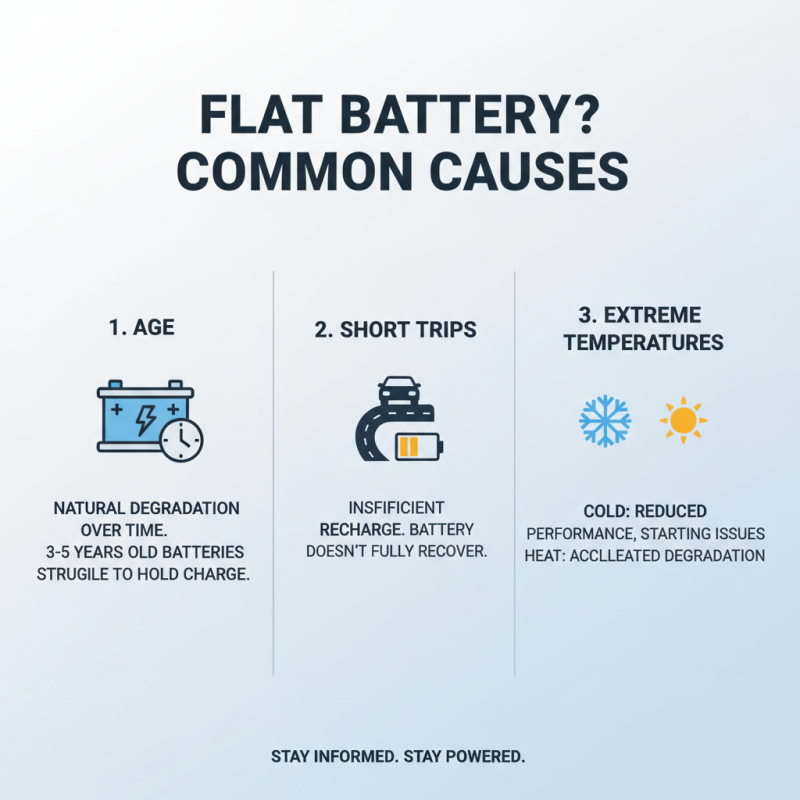
Flat battery issues can arise unexpectedly. Understanding the causes is vital. Common reasons include age, frequent short trips, and extreme temperatures. A battery can naturally degrade over time. A battery that is several years old often struggles to hold a charge. If you frequently take short trips, your battery may not fully recharge. In cold weather, performance often deteriorates, leading to starting issues.
Symptoms of battery problems can be straightforward. Slow engine cranking is a common first sign. Dashboard lights may flicker or dim. You might also notice a harsh smell or corrosion around battery terminals. If you see these signs, take them seriously. Ignoring them can lead to being stranded. Always check connections, too, as loose terminals can mimic battery failure. Regular maintenance can prevent many issues.
Being aware of these factors is crucial for every vehicle owner. We often overlook battery care. Recognizing when to replace a battery can save time and effort. Don't wait for a crisis. Regular inspections can help manage these frustrations and keep your vehicle running smoothly.
Preventive Measures to Avoid Flat Battery Situations
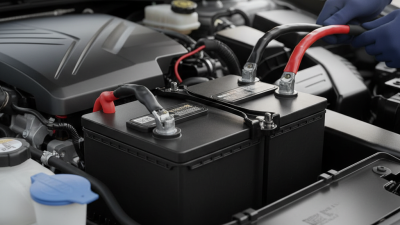
Flat battery situations can arise unexpectedly, but preventive measures can help minimize these occurrences. Regular maintenance of your vehicle is key. Check the battery’s connections for corrosion and ensure they are tight. This simple step can prevent a lot of headaches.
Moreover, maintaining the right charge is crucial. Don't let your battery sit unused for long periods. If you’re not driving often, consider using a trickle charger. It ensures the battery remains at optimal levels. Also, turn off all lights and electronics before leaving your vehicle. It’s an easy habit to forget, but it makes a big difference.
Lastly, be mindful of the weather. Extreme temperatures can impact your battery’s performance. In cold weather, make sure your battery is rated for low temperatures. You might think it’s fine, but an old battery can struggle. Regular checks and awareness lead to fewer surprises. Consider keeping a jump starter in your trunk for emergencies. Sometimes, even the best care can’t prevent everything.
2026 Best Solutions for Dealing with Flat Battery Issues - Preventive Measures to Avoid Flat Battery Situations
| Solution |
Description |
Effectiveness |
Cost Estimate |
Frequency of Use |
| Regular Battery Maintenance |
Routine checks and cleaning of battery terminals. |
High |
$50 - $100 annually |
Monthly |
| Using a Battery Tender |
Device that keeps batteries fully charged when not in use. |
Very High |
$30 - $70 one-time |
Whenever parked for extended periods |
| Avoiding Short Trips |
Limiting travel to distances that recharge the battery. |
Moderate |
N/A |
Always |
| Battery Replacement |
Replacing old batteries with new ones to prevent issues. |
High |
$100 - $200 every 3-5 years |
As needed |
| Using Smart Technology |
Apps that monitor battery health and alert for issues. |
High |
$10 - $30 for subscription services |
Continuous |
Effective First Aid Steps for Dealing with a Flat Battery
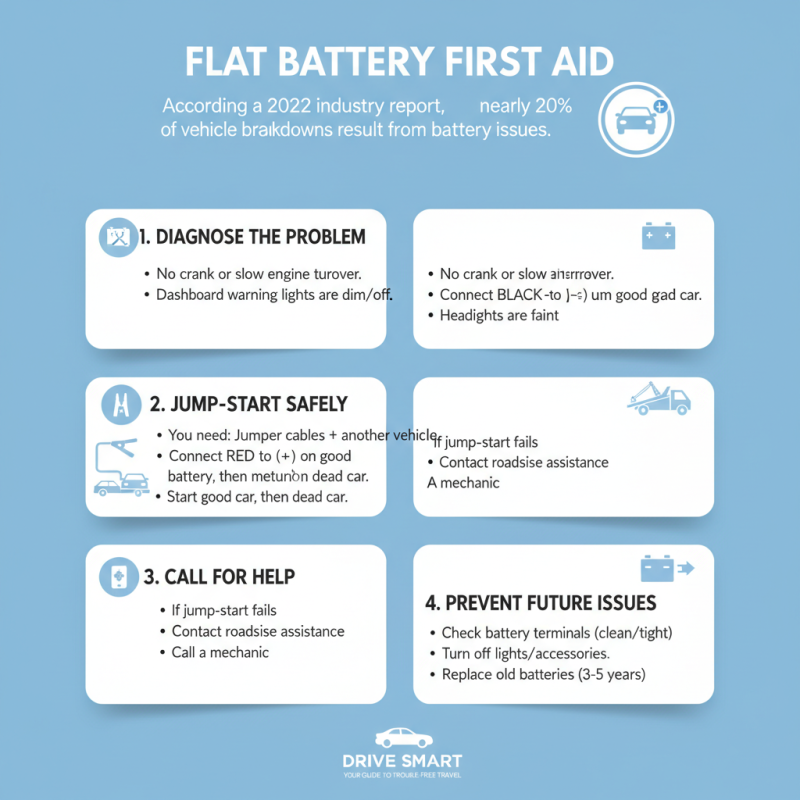
A flat battery can turn any trip into a frustrating experience. Understanding effective first aid steps is crucial. According to a 2022 industry report, nearly 20% of vehicle breakdowns result from battery issues. Knowing how to handle this can save time and stress.
If your battery is dead, start by checking for visible issues. Look for corrosion on terminals. This can affect performance. When jump-starting, always follow the proper procedure. Connect cables in the correct order: positive to positive, and negative to a grounded point.
Tips: Keep a portable jump starter in your car. They are compact and easy to use. Always monitor your battery’s health. Regular checks can prevent unexpected failures. If issues persist, consider consulting a professional. Ignoring warning signs can lead to costly replacements later.
Innovative Tools and Devices for Battery Management
As battery technology advances, so do the tools for managing flat battery issues. Innovative devices now help users optimize battery life and monitor performance. According to industry data, 30% of smartphone users face battery-related problems at least once a week. These issues can significantly hinder daily activities.
One promising solution is the development of smart charging stations. These stations analyze battery health and adapt charging speed accordingly. A recent report highlighted that users who utilize smart chargers can increase their battery lifespan by up to 25%. Many charging stations now feature USB ports that support various devices. This versatility minimizes the hassle of carrying multiple cables.
Another exciting trend is portable battery management systems. These compact systems not only recharge devices but also provide critical data about battery status. Reports estimate that these portable tools can prolong battery life by 15-20% through efficient management. However, some users struggle with understanding the technical aspects of such devices. The need for user-friendly interfaces remains a crucial consideration in product development.
Best Practices for Maintaining Battery Health and Longevity
Maintaining battery health is crucial for longevity. Regular monitoring is key. According to a recent industry report, over 40% of battery failures result from inadequate maintenance. Checking battery voltage regularly can prevent unexpected issues. Aim to keep the voltage above 12.4 volts for optimal performance.
Charging practices significantly influence battery lifespan. Avoid deep discharges; keep the charge between 20% and 80%. Frequent full discharges can shorten battery life by up to 30%. Proper temperature management is also essential. Extreme heat accelerates degradation. Ideally, store batteries in cool, dry environments.
Lastly, it’s worth noting that ideal conditions are often overlooked. Humidity can cause corrosion, which decreases efficiency. Many users neglect to consider how simple elements affect battery performance. Regular cleaning of terminals is beneficial. Addressing these details can make a substantial difference over time. The need for consistent care should not be underestimated.